The reliable operation of sanitation services is crucial for public health and environmental wellbeing globally. A key, often unseen, component enabling these services is the hydraulic cylinder of sanitation truck. These cylinders power the compactors, lifts, and other mechanisms essential for efficient waste management. Understanding their design, functionality, and maintenance is therefore paramount for ensuring the effective and sustainable operation of modern waste disposal systems. This knowledge is especially critical as urban populations continue to grow, placing increased strain on existing infrastructure.
The global waste management market is a multi-billion dollar industry, projected to continue expanding significantly in the coming decades. A core element of this market is the performance and longevity of the equipment used. Hydraulic cylinders, particularly those found in sanitation trucks, directly influence operational efficiency, cost-effectiveness, and environmental impact. Investing in high-quality hydraulic cylinder of sanitation truck solutions translates directly into reduced downtime, lower maintenance costs, and increased overall system reliability.
Furthermore, the demands placed on these cylinders are increasingly complex. Modern sanitation practices prioritize compaction, reducing the volume of waste transported and minimizing landfill space. This demands higher pressures and more robust designs in hydraulic cylinders. This document provides a comprehensive overview of the hydraulic cylinder of sanitation truck, exploring its key features, applications, advantages, and future trends.
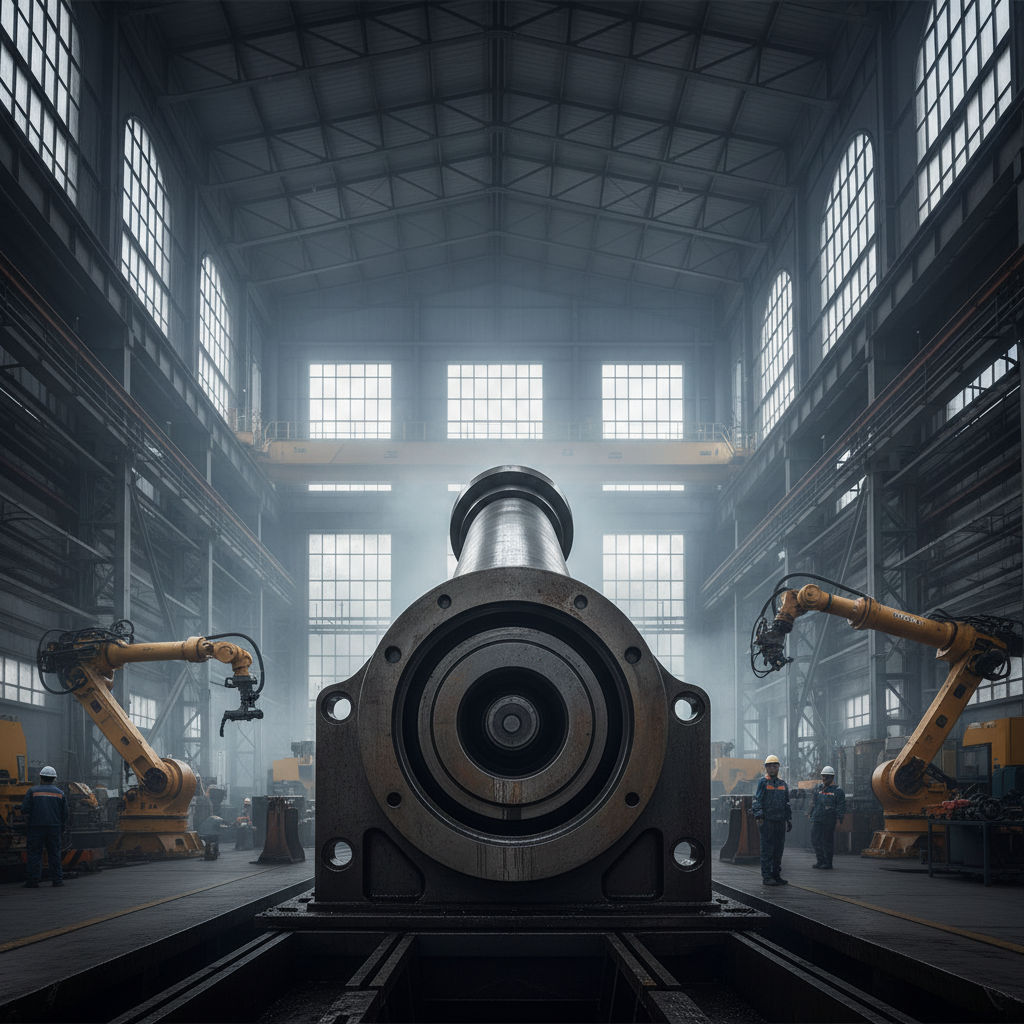
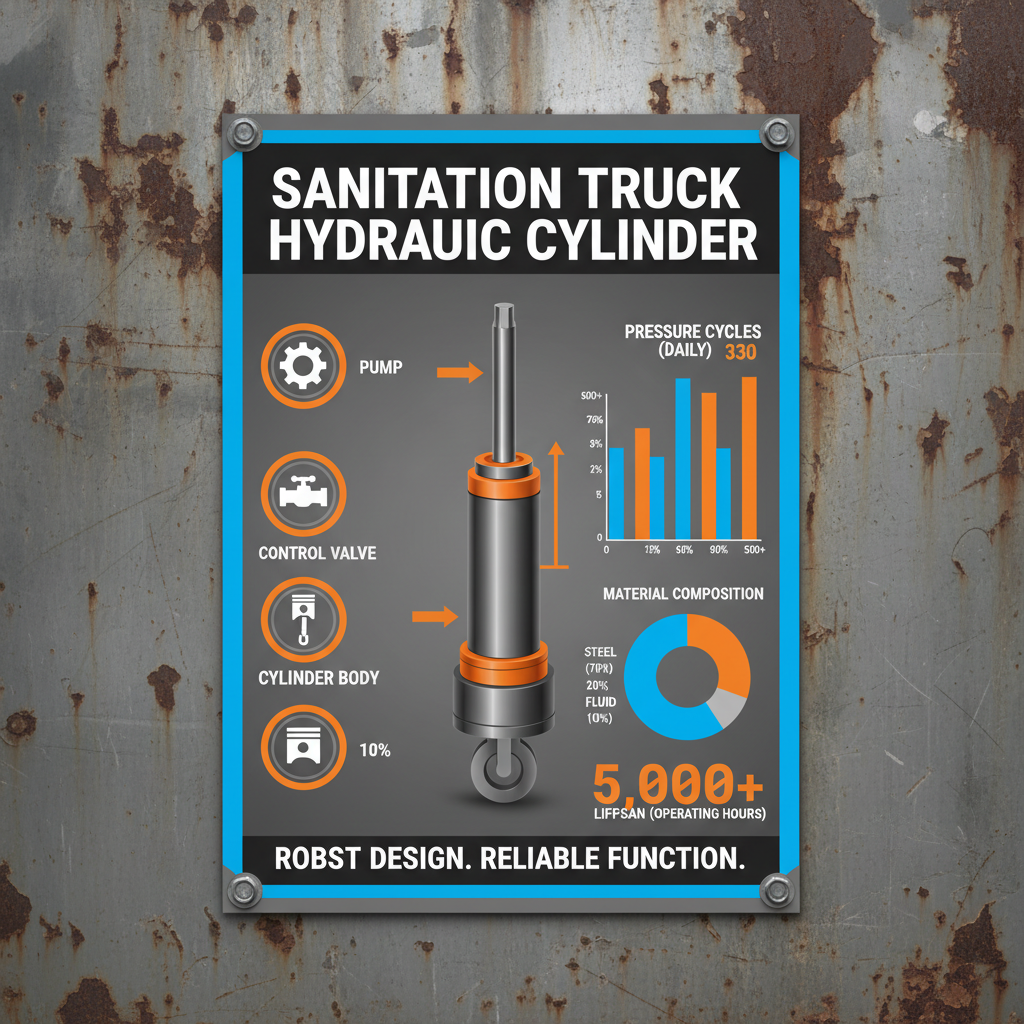
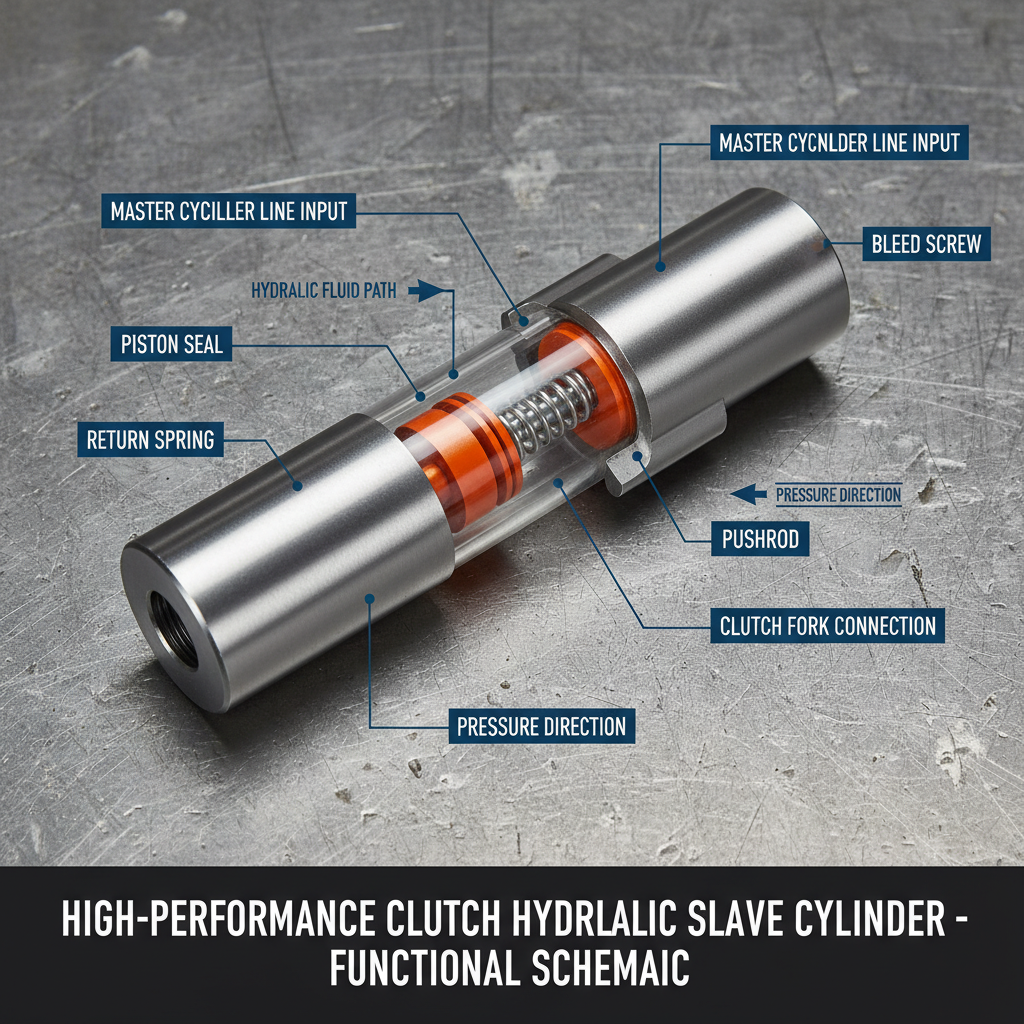
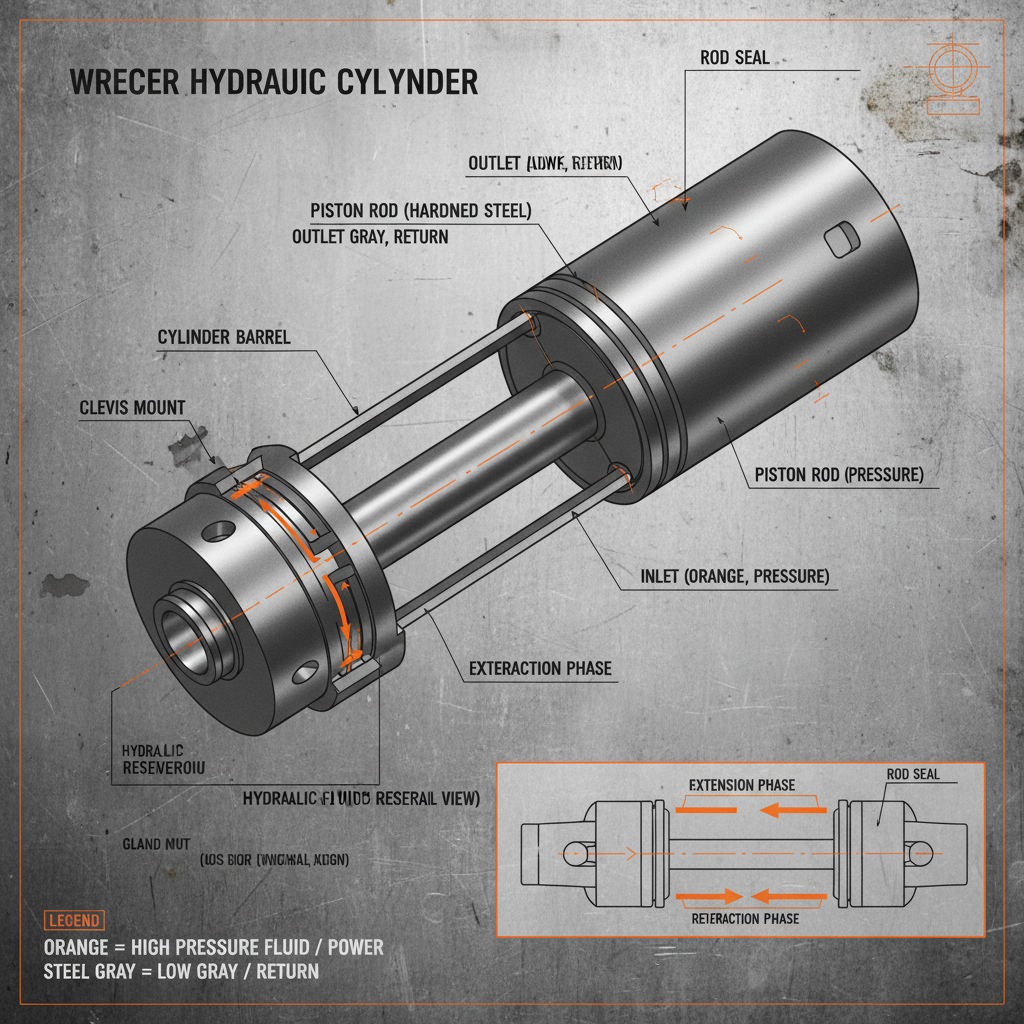
Hydraulic cylinders are essential components in numerous industrial applications, converting hydraulic energy into linear motion. They achieve this through the use of a piston moving within a cylinder, driven by pressurized fluid. The hydraulic cylinder of sanitation truck is a specialized type designed to withstand the demanding conditions associated with waste collection and compaction.
These cylinders are fundamental in powering the lifting and compaction mechanisms of sanitation trucks. Their ability to generate substantial force makes them uniquely suited to handling heavy loads and performing repetitive, high-stress tasks. Without reliable hydraulic cylinders, modern waste management systems would be significantly less efficient and effective.
The lifespan of a hydraulic cylinder in a sanitation truck typically ranges from 5 to 10 years, depending on operating conditions, maintenance practices, and the quality of the cylinder itself. Frequent exposure to corrosive materials and heavy loads can shorten this lifespan. Regular inspection and preventative maintenance are crucial to maximizing cylinder longevity.
Hydraulic fluid should be changed every 6-12 months, or as recommended by the cylinder manufacturer. Contaminated fluid can cause significant wear and tear on the cylinder components, leading to premature failure. Regular fluid analysis can help determine the optimal fluid change interval.
Common signs of a failing hydraulic cylinder include slow or erratic movement, leakage of hydraulic fluid, excessive noise, and visible damage to the cylinder barrel or piston rod. Ignoring these signs can lead to more significant problems and costly repairs.
Nitrile rubber seals are commonly used in sanitation truck hydraulic cylinders due to their excellent resistance to oil and hydraulic fluids. However, for applications involving exposure to harsh chemicals or extreme temperatures, Viton or polyurethane seals may be more appropriate.
Regular maintenance, proper lubrication, and avoiding overloading the cylinders are essential for extending their lifespan. Also, ensuring the hydraulic fluid is clean and at the correct level, and promptly addressing any leaks or damage, can significantly improve cylinder durability.
Yes, biodegradable hydraulic fluids are available as an environmentally friendly alternative to traditional mineral oil-based fluids. While they may be more expensive, they reduce the environmental impact of leaks and spills. Researching and selecting the appropriate fluid for your specific application is vital.
The hydraulic cylinder of sanitation truck is a critical, yet often overlooked, component of modern waste management systems. Its reliability, durability, and efficiency directly impact the effectiveness of sanitation services worldwide. Understanding its operational principles, key performance indicators, and future trends is essential for ensuring the sustainable and cost-effective management of waste in the years to come.
As urbanization continues and waste volumes increase, investing in high-quality hydraulic cylinders and implementing proactive maintenance programs will become increasingly crucial. By embracing technological advancements and prioritizing sustainability, we can optimize the performance of these vital components and create a cleaner, healthier environment for all.