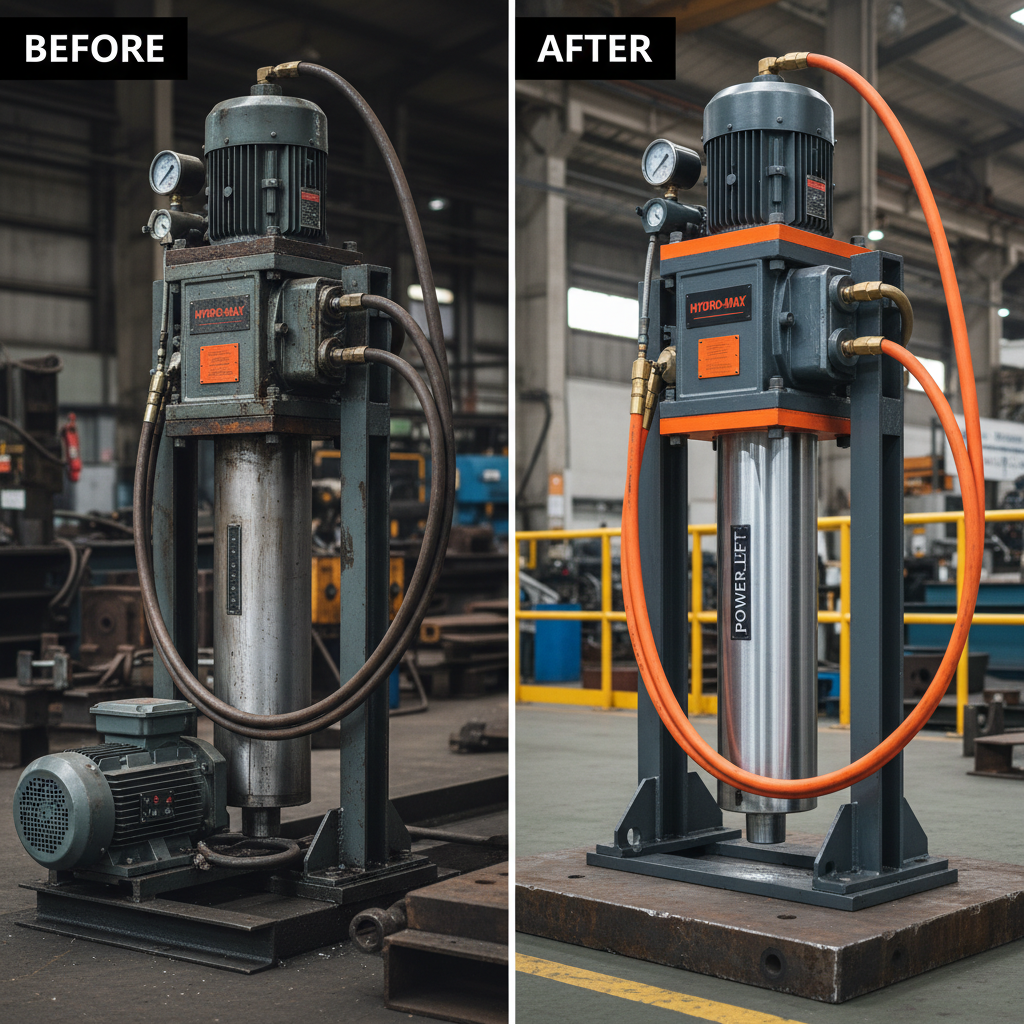
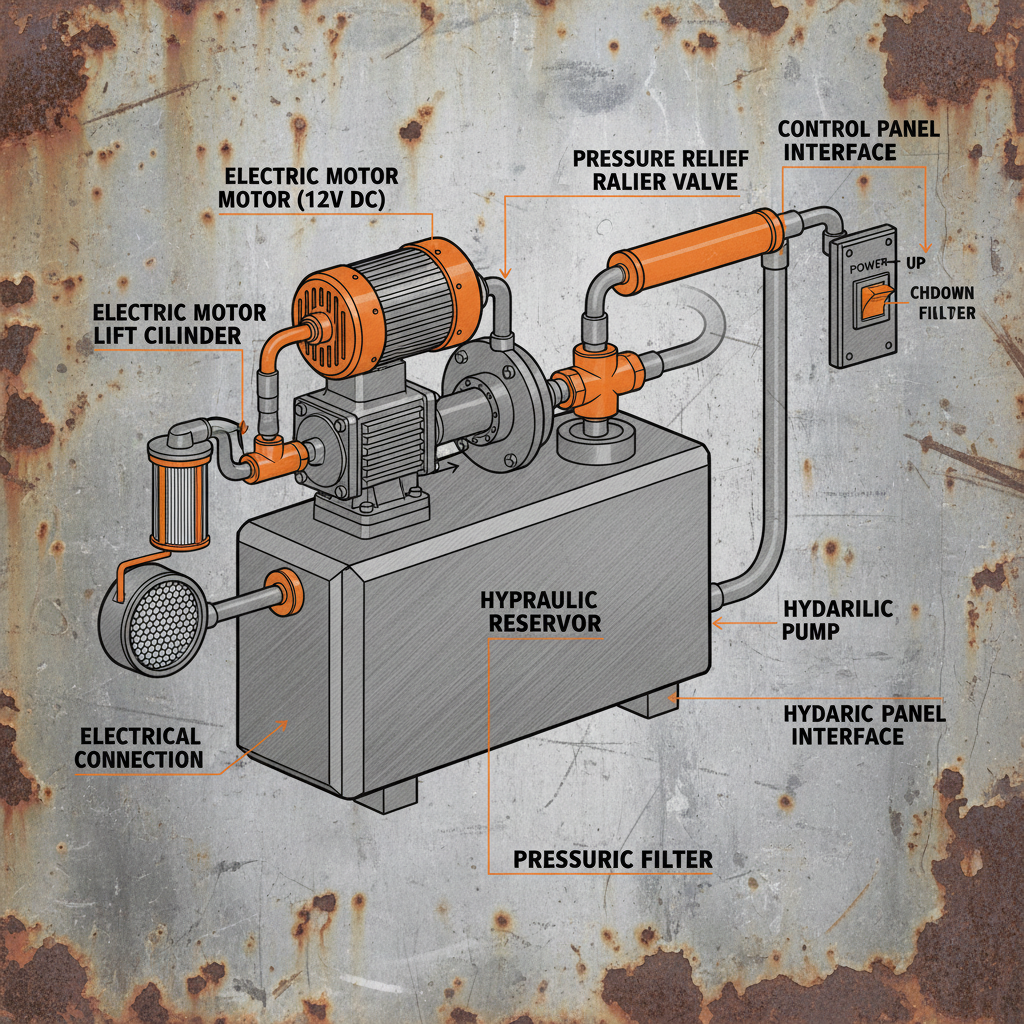
Wrecker hydraulic cylinders are the powerful heart of recovery operations, playing a crucial role in vehicle extraction, accident cleanup, and roadside assistance. These cylinders, often underestimated, provide the immense force needed to lift, pull, and maneuver vehicles, ensuring the safety of both operators and those involved in incidents. Their reliability and efficiency directly impact response times and the successful resolution of challenging recovery scenarios. The global demand for efficient and safe vehicle recovery solutions drives the ongoing innovation and refinement of wrecker hydraulic cylinder technology.
The importance of wrecker hydraulic cylinders extends beyond simple vehicle removal. They are integral to emergency services, law enforcement, and even infrastructure projects requiring heavy lifting and precise maneuvering. The cylinder's performance dictates not only the speed of a recovery but also the potential for secondary incidents. Advanced designs incorporate features like safety valves and robust construction to mitigate risks and maximize operational longevity. The quality and performance of these cylinders significantly affect the efficiency and effectiveness of the entire recovery process.
Understanding the principles behind wrecker hydraulic cylinder design and application is vital for anyone involved in the towing and recovery industry. From selecting the appropriate cylinder for a specific task to ensuring proper maintenance and safety procedures, a solid grasp of this technology is essential. This knowledge empowers operators to work confidently, efficiently, and safely, minimizing downtime and maximizing the value of their equipment.
The Core Functionality of wrecker hydraulic cylinder
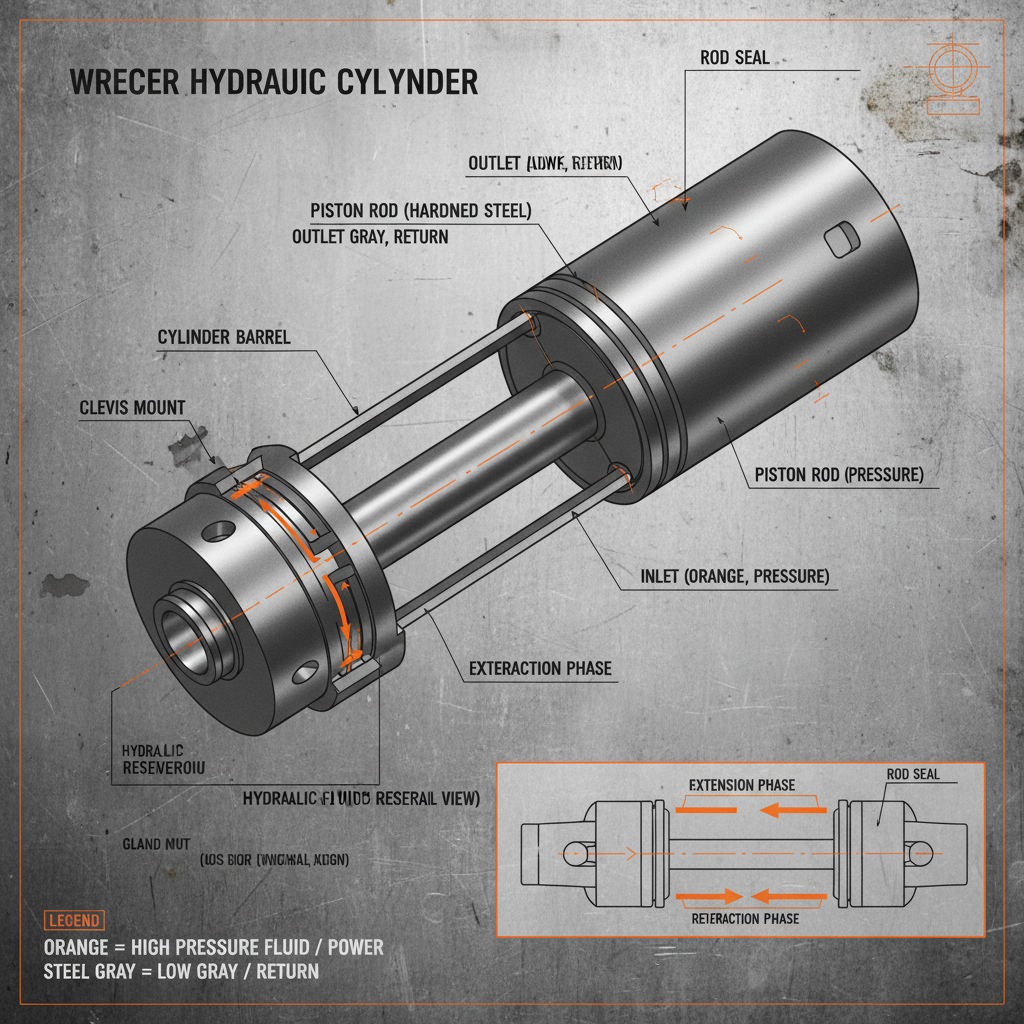
At its core, a wrecker hydraulic cylinder converts hydraulic pressure into linear force, enabling the lifting and pulling operations vital for vehicle recovery. This force is carefully calculated based on the weight of the vehicle, the angle of the tow, and the desired speed of operation. The cylinder's design must account for these factors to ensure safe and effective operation.
The internal components of a wrecker hydraulic cylinder – including the piston, cylinder wall, and seals – are engineered to withstand extreme pressures and cyclical loading. High-quality materials and precise manufacturing tolerances are crucial for durability and reliability, ensuring a long service life even in demanding conditions.
Global Demand and Market Trends
The global market for wrecker hydraulic cylinders is driven by several key factors, including the increasing number of vehicles on the road, the growing demand for roadside assistance services, and the rising frequency of traffic accidents. Emerging economies with rapidly expanding automotive sectors are contributing significantly to market growth.
According to industry reports, the demand for specialized hydraulic cylinders, including those used in wreckers, is projected to increase steadily over the next decade. This growth is fueled by advancements in vehicle technology, such as the increasing use of aluminum and composite materials, which require more powerful and precise lifting equipment.
A notable trend is the shift towards more compact and lightweight cylinder designs without compromising on performance. This is particularly important for modern tow trucks that need to be agile and fuel-efficient. The adoption of smart hydraulic systems with integrated sensors and controls is also gaining traction, enabling predictive maintenance and optimized operation.
Defining a wrecker hydraulic cylinder
A wrecker hydraulic cylinder is a specialized type of hydraulic actuator specifically designed for the rigorous demands of vehicle recovery and towing operations. Unlike general-purpose hydraulic cylinders, wreckers require a higher force output, enhanced durability, and often incorporate features like extended stroke lengths and specialized mounting configurations.
The core function of a wrecker hydraulic cylinder is to provide the lifting and pulling force necessary to safely recover damaged or disabled vehicles. This can involve lifting a vehicle's frame, extending a boom, or pulling a vehicle onto a flatbed truck. The cylinder’s design directly impacts the speed, efficiency, and safety of the recovery process.
Essentially, it’s a sophisticated mechanical system converting fluid pressure into controlled, linear motion. The precision and robustness of this system are paramount, as failure can lead to serious accidents and significant financial losses. wrecker hydraulic cylinder manufacturers must adhere to stringent quality control standards to ensure reliable performance.
Key Performance Indicators of wrecker hydraulic cylinder
Evaluating the performance of a wrecker hydraulic cylinder requires considering several key indicators. These metrics directly correlate to the cylinder's efficiency, reliability, and suitability for specific recovery tasks. Understanding these indicators allows for informed decision-making when selecting and maintaining these critical components.
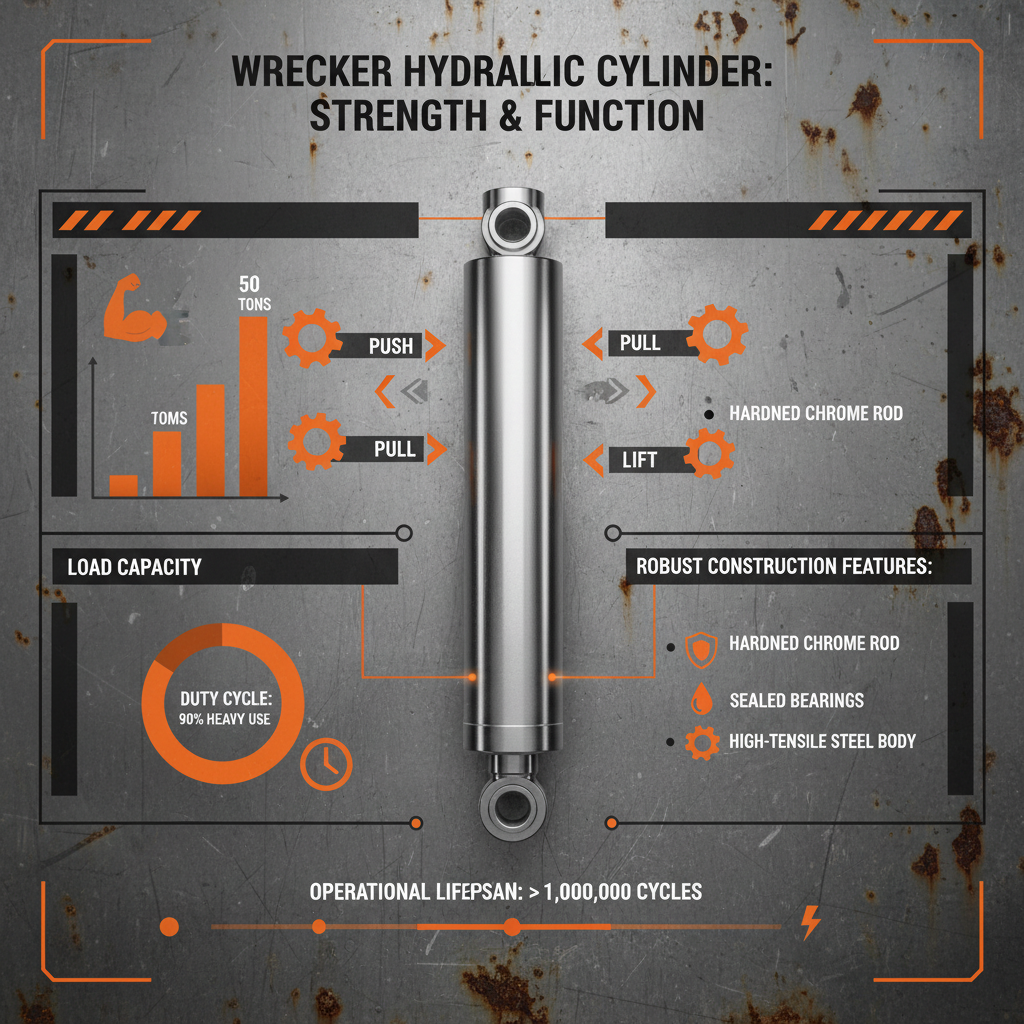
Force Capacity, Stroke Length, Operating Pressure, and Cycle Time are key indicators. These performance indicators should all be considered to ensure appropriate selection and to maximize operational efficiency.
wrecker hydraulic cylinder Performance Rating
Global Applications in Recovery Operations
Wrecker hydraulic cylinders are deployed globally in a wide range of recovery operations. From highway accidents in North America and Europe to vehicle extrication in disaster zones, these cylinders are essential tools for first responders and towing professionals. In post-disaster relief operations, wrecker hydraulic cylinders are used to clear debris and recover vehicles trapped by floods or landslides.
In remote industrial zones, such as mining operations and construction sites, these cylinders facilitate the recovery of heavy machinery and equipment. Their robust design and high force capacity are critical in these challenging environments. The portability and ease of setup make them invaluable for on-site repairs and maintenance.
Advantages and Long-Term Value Proposition
The advantages of utilizing high-quality wrecker hydraulic cylinders extend beyond immediate operational efficiency. The enhanced safety features minimize the risk of accidents during recovery operations, protecting both personnel and the surrounding environment. The durability and reliability of these cylinders translate to reduced downtime and maintenance costs over the long term.
Investing in superior hydraulic cylinders represents a commitment to sustainability by reducing the need for frequent replacements. Furthermore, the increased efficiency and reduced recovery times contribute to a positive social impact, minimizing traffic congestion and facilitating a quicker return to normalcy after incidents. This provides significant value to stakeholders and promotes trust in the recovery process.
The long-term value proposition extends to the potential for increased business for towing and recovery companies. Faster and more efficient operations enable them to handle a greater volume of calls, boosting profitability and solidifying their reputation within the industry.
Future Innovations in wrecker hydraulic cylinder Technology
The future of wrecker hydraulic cylinder technology is focused on increased efficiency, enhanced safety, and improved integration with smart systems. Developments in materials science are leading to the creation of lighter and stronger cylinders, capable of delivering greater force with reduced weight.
Research into advanced sealing technologies aims to minimize hydraulic fluid leaks and improve environmental sustainability. The integration of sensors and data analytics will enable predictive maintenance, allowing operators to identify potential issues before they lead to costly downtime. The adoption of digital control systems will also enhance precision and optimize performance.
Furthermore, exploration of alternative hydraulic fluids, including biodegradable options, is gaining momentum. These innovations align with the growing emphasis on sustainability and environmental responsibility within the automotive and recovery industries.
Summary of Challenges and Potential Solutions for wrecker hydraulic cylinder
| Challenge |
Impact on Operations |
Potential Solution |
Implementation Cost (1-10) |
| Fluid Leaks |
Environmental contamination, reduced efficiency |
Advanced seal materials and designs |
6 |
| Corrosion |
Reduced cylinder lifespan, potential failure |
Protective coatings and corrosion-resistant alloys |
7 |
| High Operating Temperatures |
Reduced fluid viscosity, seal degradation |
Improved heat dissipation systems and fluid formulations |
5 |
| Lack of Predictive Maintenance |
Unexpected failures, increased downtime |
Integrated sensor technology and data analytics |
8 |
| Manual Operation Challenges |
Operator fatigue, reduced precision |
Automated control systems and remote operation |
9 |
| Weight & Size Constraints |
Limited maneuverability and increased fuel consumption |
Lightweight materials and compact designs |
4 |
FAQS
The lifespan of a wrecker hydraulic cylinder can vary significantly based on usage, maintenance, and operating conditions. However, with proper care and regular servicing, a well-built cylinder can reliably operate for 10-15 years or even longer. Factors like exposure to corrosive environments, frequency of heavy loads, and the quality of hydraulic fluid all play a role. Regular inspections for leaks, wear, and damage are essential for maximizing its longevity.
Regular inspections are crucial for maintaining the safety and reliability of your wrecker hydraulic cylinder. A visual inspection should be performed before each use, checking for any signs of leaks, damage to the hose, or corrosion. A more thorough inspection, including checking the fluid level and pressure, should be conducted every 6 months or after 500 hours of operation, whichever comes first.
Selecting the correct hydraulic fluid is vital for optimal cylinder performance and longevity. Generally, a high-quality mineral-based hydraulic fluid with anti-wear additives is recommended. Consult your cylinder manufacturer's specifications for the precise fluid type and viscosity recommended for your specific model. Using the wrong fluid can lead to premature wear, corrosion, and reduced efficiency.
Common causes of failure include contamination of the hydraulic fluid, worn seals, corrosion, and excessive pressure. Regularly changing the hydraulic fluid and filters, inspecting seals for wear, and protecting the cylinder from harsh environments can help prevent these failures. Overloading the cylinder beyond its rated capacity is also a frequent cause of damage.
Determining the correct cylinder size requires considering the weight of the vehicles you will be recovering, the desired lift height, and the geometry of your wrecker’s boom system. Consult with a hydraulic cylinder specialist or your wrecker manufacturer to ensure you select a cylinder with adequate force capacity and stroke length for your specific application. Incorrectly sized cylinders can compromise safety and reduce efficiency.
Always wear appropriate personal protective equipment, including safety glasses and gloves. Ensure the area around the cylinder is clear of personnel before operating. Never exceed the cylinder's rated capacity. Regularly inspect the cylinder for damage and leaks. Always follow the manufacturer's operating instructions and safety guidelines. Proper training and adherence to safety protocols are paramount for preventing accidents.
Conclusion
Wrecker hydraulic cylinders are undeniably essential components in the vehicle recovery and towing industry. Their robust design, high force capacity, and increasing integration with smart technologies continue to improve safety, efficiency, and overall operational performance. Understanding their core functionalities, potential challenges, and future innovations is crucial for professionals in this field.
As technology advances, we can expect to see even more sophisticated wrecker hydraulic cylinders that offer increased precision, reduced environmental impact, and enhanced predictive maintenance capabilities. Investing in quality cylinders and prioritizing regular maintenance are essential for maximizing their lifespan and ensuring reliable performance. For more information and to explore our range of wrecker hydraulic cylinder solutions, visit our website today.