The demand for reliable and efficient power solutions for dump trailers is growing globally, driven by the increasing need for off-grid construction, mining operations, and disaster relief efforts. A dump trailer power unit provides a self-contained power source, eliminating the reliance on external generators or grid connectivity in remote locations. This capability significantly reduces operational costs, enhances productivity, and improves safety in challenging environments.
The benefits extend beyond simple power delivery. Modern dump trailer power units are designed with fuel efficiency, noise reduction, and environmental considerations in mind. They are becoming increasingly crucial for sustainable operations, particularly in areas where emissions regulations are stringent. Investing in a robust dump trailer power unit represents a forward-thinking approach to infrastructure and logistics.
Ultimately, the widespread adoption of these units streamlines project timelines and boosts overall project success. The convenience and reliability of a dedicated power source directly translate to increased efficiency and a reduced environmental footprint, making them indispensable for a diverse range of industries and applications.
Introduction to Dump Trailer Power Units
A dump trailer power unit is an integrated system designed to provide electrical power to equipment operating from a dump trailer. These units typically incorporate a generator, fuel tank, control panel, and safety features, all mounted securely within or alongside the trailer structure. Their primary function is to enable operations in locations lacking access to the conventional power grid.
These power solutions are becoming increasingly important in diverse sectors, from large-scale construction projects and remote mining sites to emergency response operations and infrastructure maintenance. The ability to have a dedicated, mobile power source directly attached to the dump trailer streamlines workflow and dramatically reduces downtime.
Defining Dump Trailer Power Units
At its core, a dump trailer power unit is a self-contained electrical power generation system specifically engineered for integration with dump trailers. Unlike relying on external generators or grid connections, this solution offers a mobile and convenient power source. It provides the electricity necessary to operate various tools, equipment, and lighting systems required on a job site.
The relevance of these units to modern industry lies in their ability to overcome logistical challenges in remote or temporary work environments. They eliminate the need for extensive cabling, reduce fuel transportation costs, and minimize the risk of power disruptions, leading to greater efficiency and project predictability.
For humanitarian needs, a dump trailer power unit can be quickly deployed to disaster-stricken areas to provide essential power for emergency services, communication systems, and temporary shelters, playing a vital role in relief and recovery efforts.
Core Components and Features
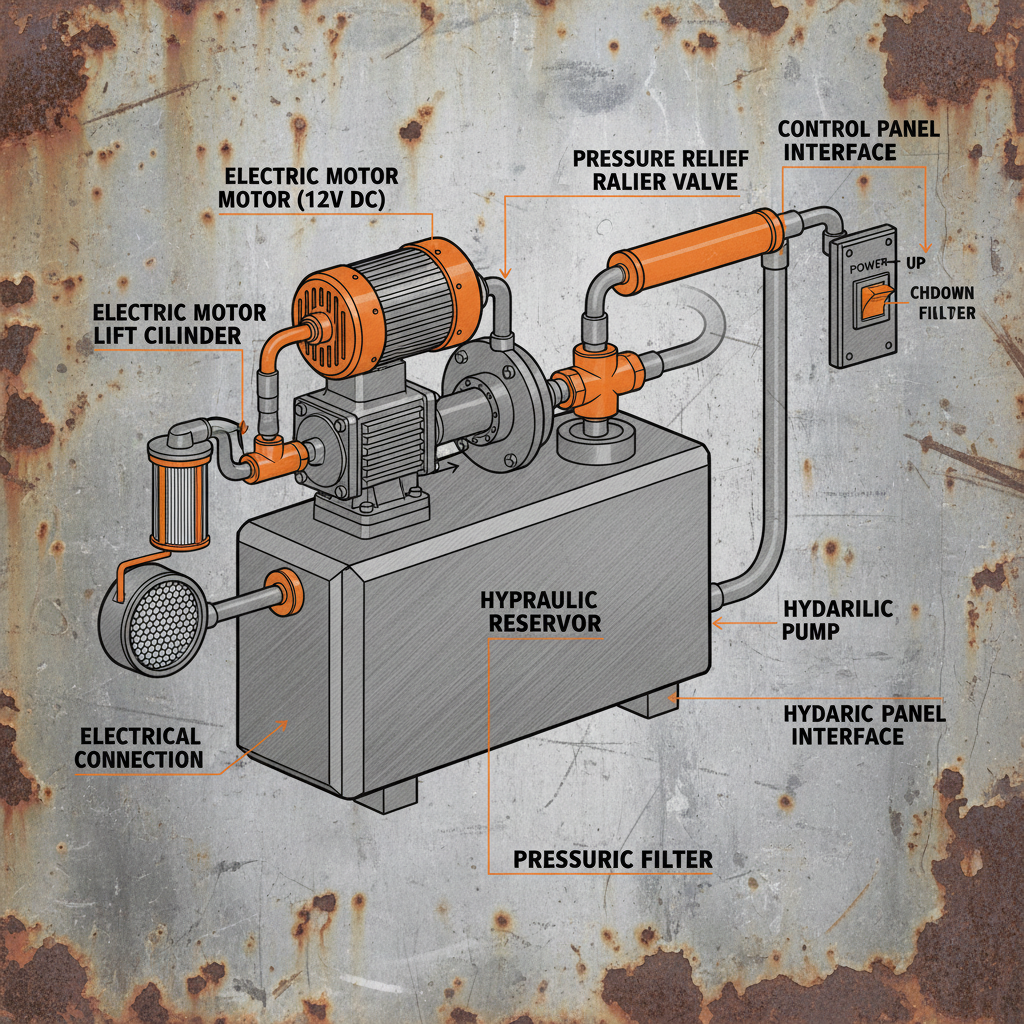
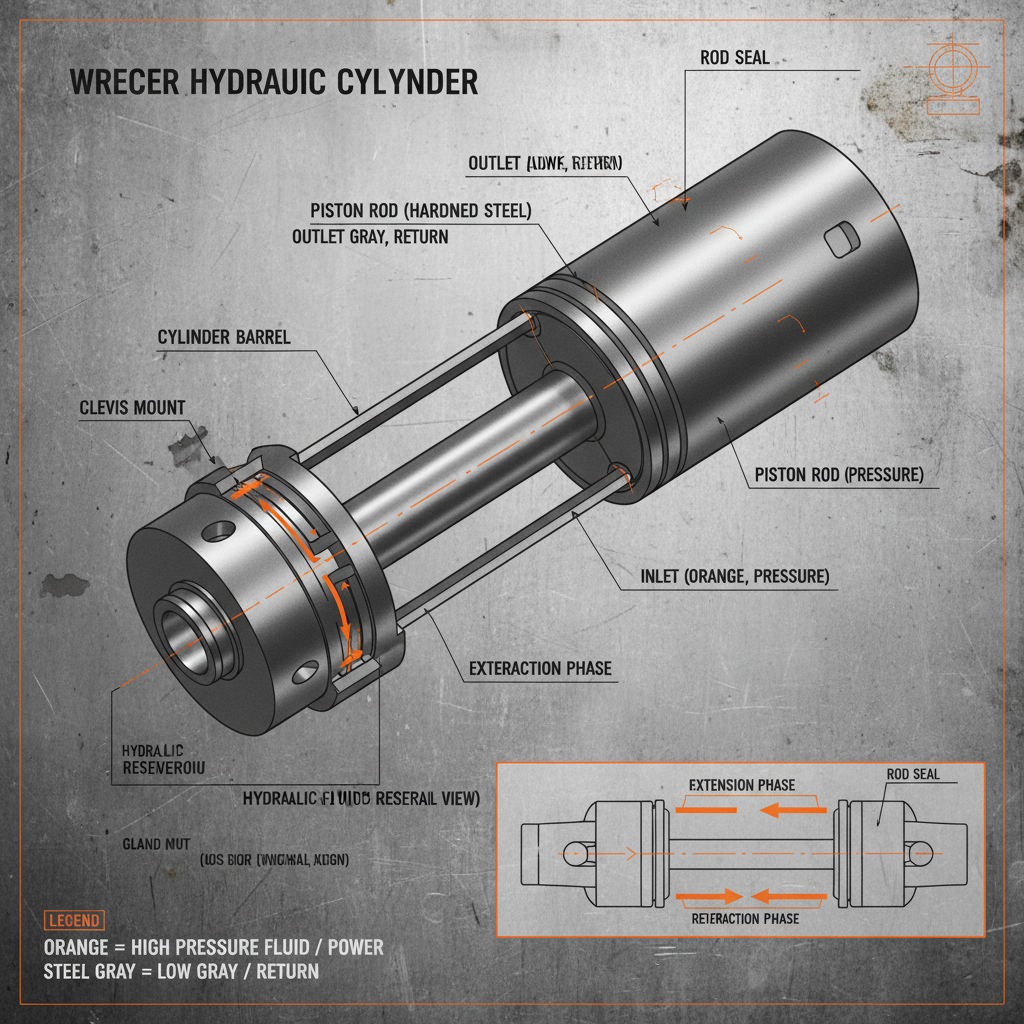
Several key components contribute to the functionality of a dump trailer power unit. The generator, typically diesel-powered, is the heart of the system, providing the electrical energy. A fuel tank ensures extended run times without frequent refueling. A control panel houses essential monitoring and safety features, including voltage regulation, overload protection, and emergency shutdown mechanisms.
Beyond these core elements, modern units often incorporate features such as automatic voltage regulation (AVR), low-oil shutdown protection, and sound attenuation enclosures to minimize noise pollution. Some advanced models may even include remote monitoring capabilities and automatic start/stop functionality. Properly chosen components translate to the reliability of a dump trailer power unit.
Durability and weather resistance are also crucial features, as these units are frequently exposed to harsh environmental conditions. High-quality construction materials and robust enclosures are essential to ensure long-term performance and minimal maintenance requirements.
Key Performance Indicators
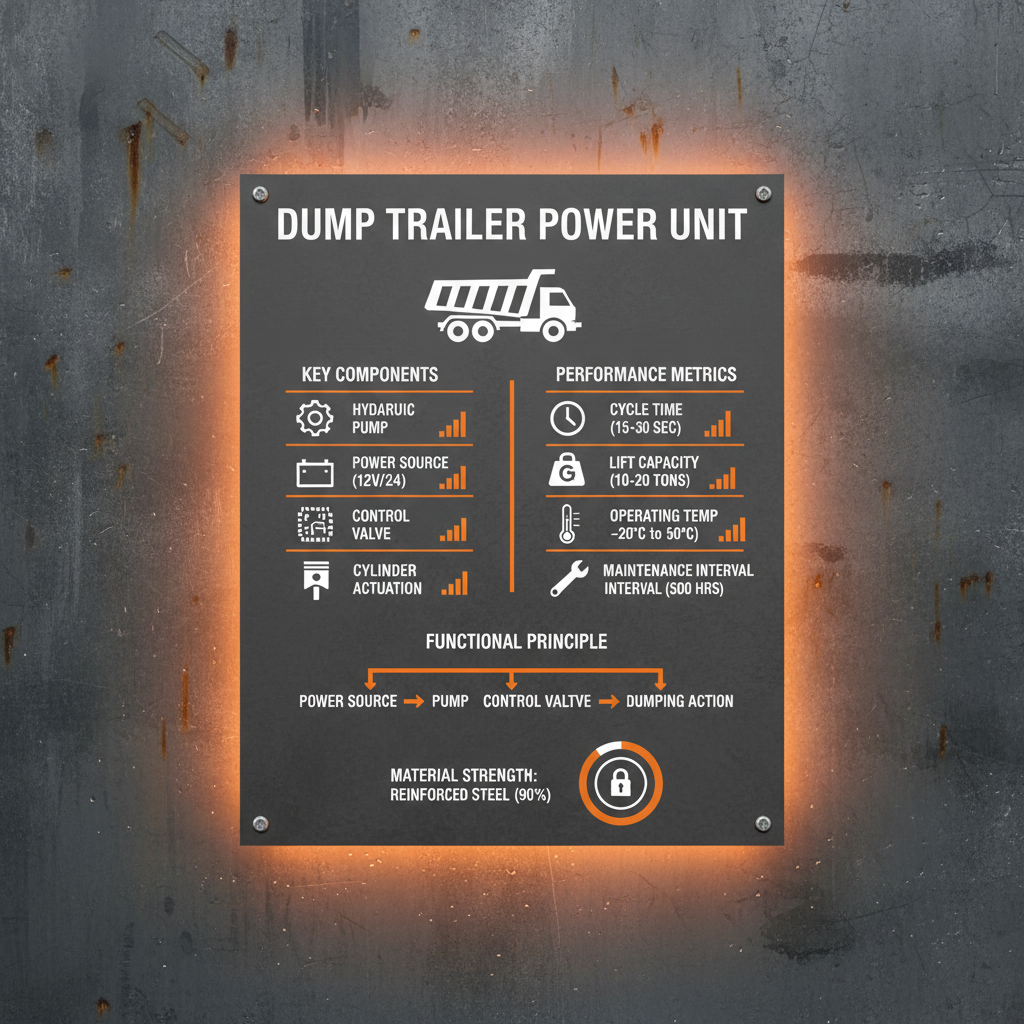
Evaluating the effectiveness of a dump trailer power unit requires consideration of several key performance indicators (KPIs). These metrics provide insight into the unit’s efficiency, reliability, and overall value.
Understanding these KPIs allows for informed decision-making when selecting and maintaining a dump trailer power unit to maximize its impact on operational efficiency and cost savings.
Dump Trailer Power Unit Performance Metrics
Global Applications & Industries Served
The versatility of dump trailer power unit solutions leads to deployment across numerous industries. In construction, they power tools, lighting, and temporary heating/cooling systems on remote job sites. Mining operations utilize them to power exploration equipment, ventilation systems, and processing machinery in areas lacking grid access.
Emergency response teams rely on these units to provide critical power for communication systems, medical equipment, and lighting during disaster relief efforts. Furthermore, infrastructure maintenance crews use them to power tools and equipment during road repairs, bridge inspections, and utility line maintenance. In remote industrial zones, they provide a reliable source of power, especially where consistent energy supply is a challenge.
Advantages and Long-Term Value
The advantages of investing in a dump trailer power unit are substantial. Cost savings are realized through reduced fuel consumption, lower transportation expenses, and minimized downtime. Sustainability is enhanced through improved fuel efficiency and reduced emissions compared to traditional generator setups.
Furthermore, these units boost productivity by providing a consistent and reliable power source. Safety is also improved, as they eliminate the hazards associated with long cable runs and exposed electrical connections. The inherent reliability and durability of a well-maintained unit translate to a long-term return on investment and a strengthened operational foundation.
Future Trends and Innovations
The future of dump trailer power units is likely to be shaped by several key trends. The integration of hybrid and fully electric power systems will become increasingly common, reducing emissions and operating costs. Advanced monitoring and control systems, enabled by the Internet of Things (IoT), will provide real-time data on performance and maintenance needs.
Expect to see improvements in energy storage technologies, such as advanced battery systems, enabling longer run times and greater energy independence. Automation and remote diagnostics will further streamline operations and reduce maintenance requirements. These innovations promise to make dump trailer power unit solutions even more efficient, reliable, and sustainable in the years to come.
The shift towards green energy sources, coupled with the increasing demand for mobile power solutions, will drive further innovation in this sector.
FAQS
Fuel consumption varies depending on the load and the generator size. Generally, a modern diesel-powered unit can operate for 8-12 hours on a full tank, consuming approximately 1-2 gallons per hour under a moderate load. Choosing a fuel-efficient generator and optimizing load management can significantly reduce fuel costs.
Regular maintenance is crucial for maximizing the lifespan and reliability of the unit. Routine checks, including oil changes, filter replacements, and coolant level inspections, should be performed every 250-500 hours of operation. More extensive servicing, such as valve adjustments and injector cleaning, may be required every 1000-2000 hours.
Essential safety features include overload protection, low-oil shutdown, emergency stop buttons, and properly grounded electrical outlets. Units should also have a robust enclosure to protect against physical damage and weather exposure. Ensuring adherence to relevant safety standards and regulations is paramount.
Many units are designed to operate in a wide range of temperatures, from freezing conditions to intense heat. However, it's vital to check the manufacturer's specifications for the operating temperature range. Additional precautions, such as using cold-weather starting aids or providing adequate ventilation in hot climates, may be necessary.
With proper maintenance and care, a high-quality dump trailer power unit can reliably operate for 5,000 to 10,000 hours or more. Regular servicing, adherence to operating guidelines, and prompt attention to any issues are essential for extending its lifespan and maximizing its return on investment.
Yes, many manufacturers offer units with sound attenuation enclosures or features designed to minimize noise pollution. These enclosures typically incorporate sound-absorbing materials and strategically designed ventilation systems. Choosing a unit with a lower noise level is crucial for work environments where noise is a concern.
Conclusion
In conclusion, dump trailer power units are a vital resource for numerous industries and applications, providing reliable, mobile, and efficient power solutions in challenging environments. Their increasing adoption reflects a growing need for off-grid capabilities, sustainable operations, and enhanced productivity. By understanding the core components, key performance indicators, and future trends associated with these units, organizations can make informed decisions to optimize their operations and maximize their return on investment.
Looking ahead, the integration of advanced technologies, such as hybrid power systems and IoT-enabled monitoring, will further enhance the performance and sustainability of dump trailer power units. Investing in these solutions not only addresses current power needs but also positions organizations for future success in an evolving energy landscape. For dependable power solutions tailored to your needs, visit our website: www.hebeishenghan.com.