The tailplate hydraulic cylinder is a critical component in numerous industrial applications, offering robust and reliable power transmission. Its ability to convert hydraulic pressure into linear force makes it indispensable in sectors ranging from construction and manufacturing to agriculture and materials handling. Understanding the principles, applications, and advancements in tailplate hydraulic cylinder technology is crucial for engineers, technicians, and anyone involved in the design, operation, and maintenance of heavy machinery. tailplate hydraulic cylinder innovation directly impacts efficiency and safety across a wide spectrum of industries.
Globally, the demand for efficient and durable hydraulic cylinders is steadily increasing, driven by infrastructure development, population growth, and the need for automated systems. According to market research reports, the hydraulic cylinder market is projected to reach substantial growth in the coming years. This growth underscores the importance of optimizing designs and materials used in tailplate hydraulic cylinders to meet the evolving needs of various industries. A reliable tailplate hydraulic cylinder is central to numerous economic activities.
The challenge lies in balancing performance, cost, and longevity. Traditional hydraulic cylinders sometimes suffer from issues like leakage, corrosion, and limited lifespan, particularly in harsh operating environments. Therefore, advancements in sealing technologies, material science, and manufacturing processes are essential to overcome these limitations and deliver superior tailplate hydraulic cylinder solutions.
Introduction to Tailplate Hydraulic Cylinders
Tailplate hydraulic cylinders are a cornerstone of modern industrial automation and heavy equipment operation. They excel in applications demanding precise, powerful linear motion, offering a compelling alternative to electric motors and other actuation methods in many scenarios. These cylinders are specifically designed for demanding workloads and often feature a robust tailplate structure for increased stability and durability. tailplate hydraulic cylinder are a key component.
The versatility of tailplate hydraulic cylinders stems from their ability to handle high pressures and deliver significant force. Their relatively simple design translates to ease of maintenance and repair, contributing to lower operational costs over their lifecycle. The ongoing development of advanced materials and manufacturing techniques continues to enhance their performance and reliability, solidifying their position as a vital element in numerous industrial processes.
Defining the Tailplate Hydraulic Cylinder
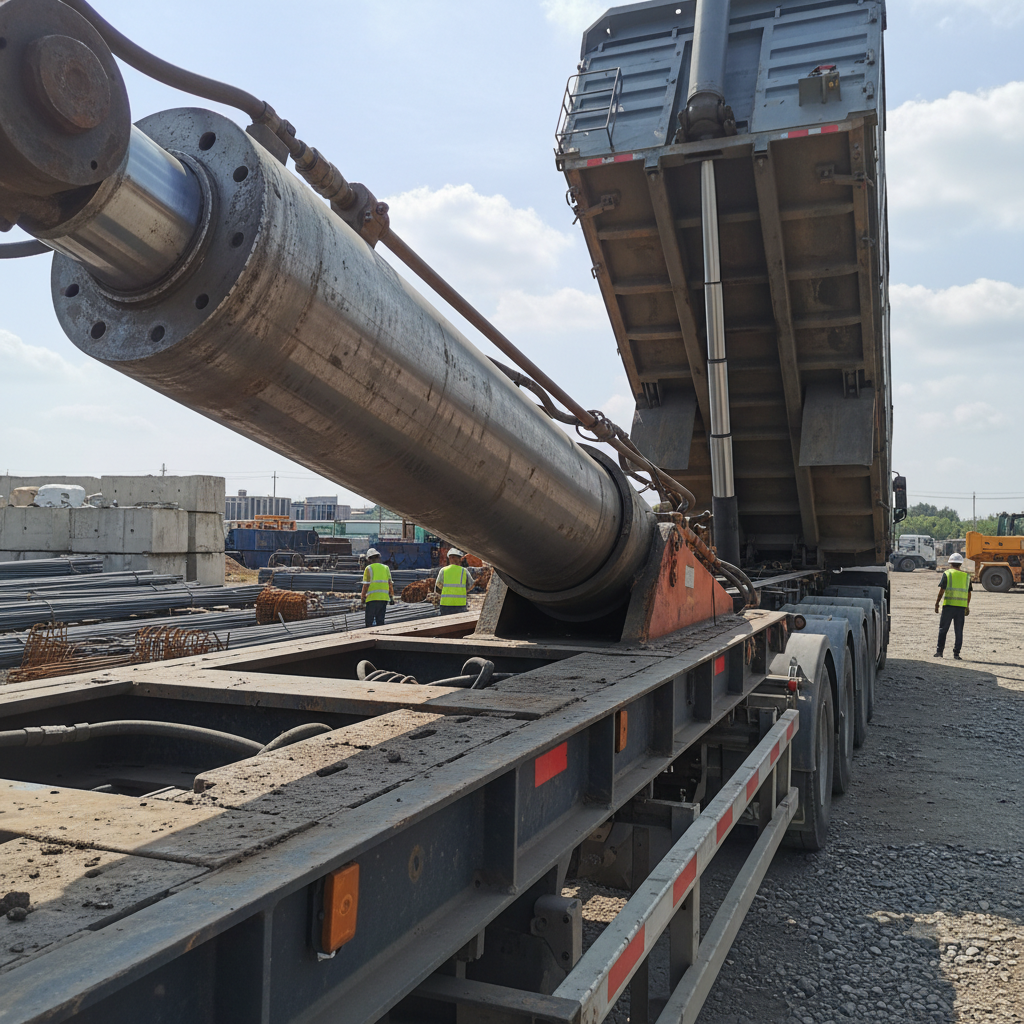
A tailplate hydraulic cylinder is a mechanical device that utilizes pressurized fluid – typically oil – to generate linear force and motion. What distinguishes it from standard hydraulic cylinders is the addition of a reinforced tailplate, typically welded or bolted to the cylinder barrel. This tailplate provides enhanced structural support, particularly when subjected to side loads, bending moments, or high-force applications. The design allows for greater stability and prevents premature failure under strenuous conditions.
This type of cylinder finds extensive use in applications where precise control and significant force are required, such as in heavy machinery like excavators, loaders, and presses. The tailplate adds a layer of robustness, making the cylinder suitable for environments where misalignment or external forces are prevalent. Modern tailplate hydraulic cylinder designs focus on minimizing weight while maximizing strength and efficiency.
The core principle relies on Pascal's Law: pressure applied to a confined fluid is transmitted equally in all directions. Within the cylinder, a piston separates the internal chamber into two sections. When hydraulic fluid is pumped into one section, it exerts pressure on the piston, causing it to move linearly, thereby driving the connected load.
Key Components and Characteristics
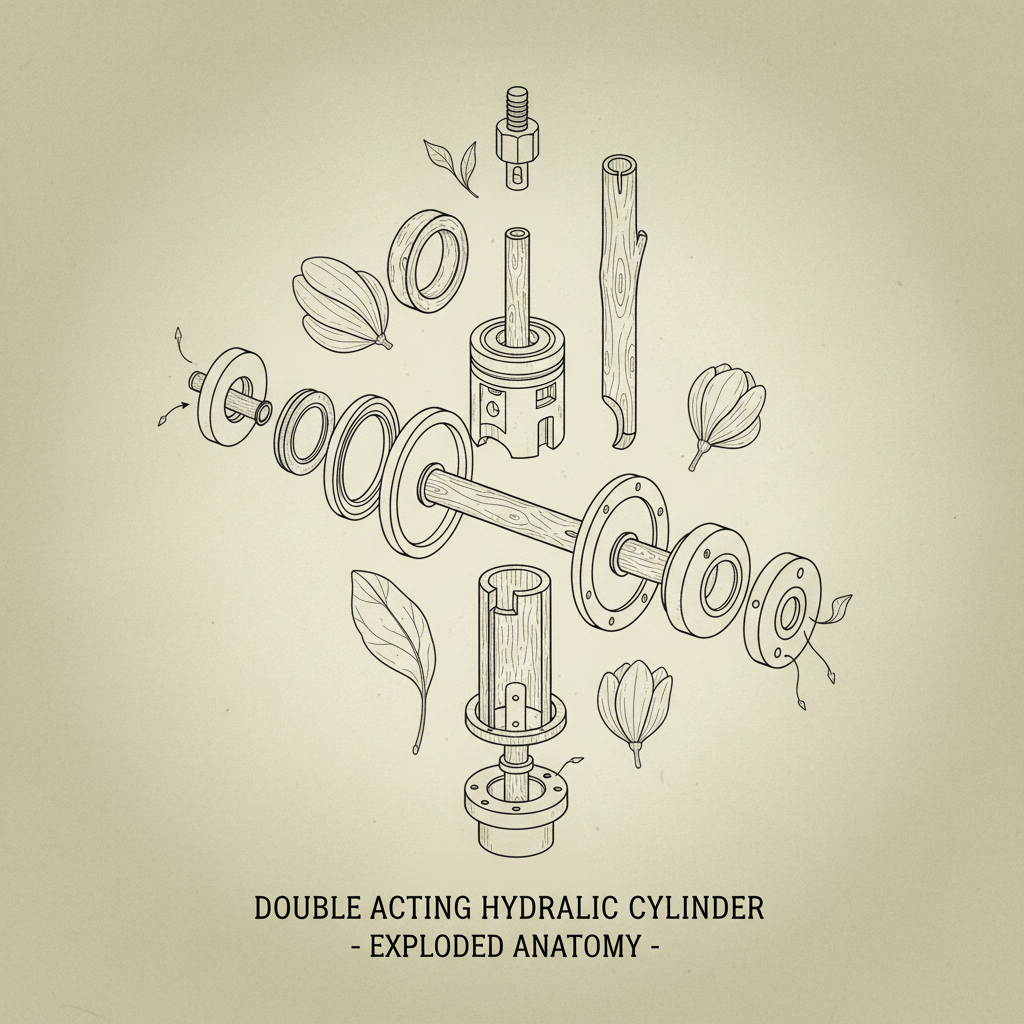
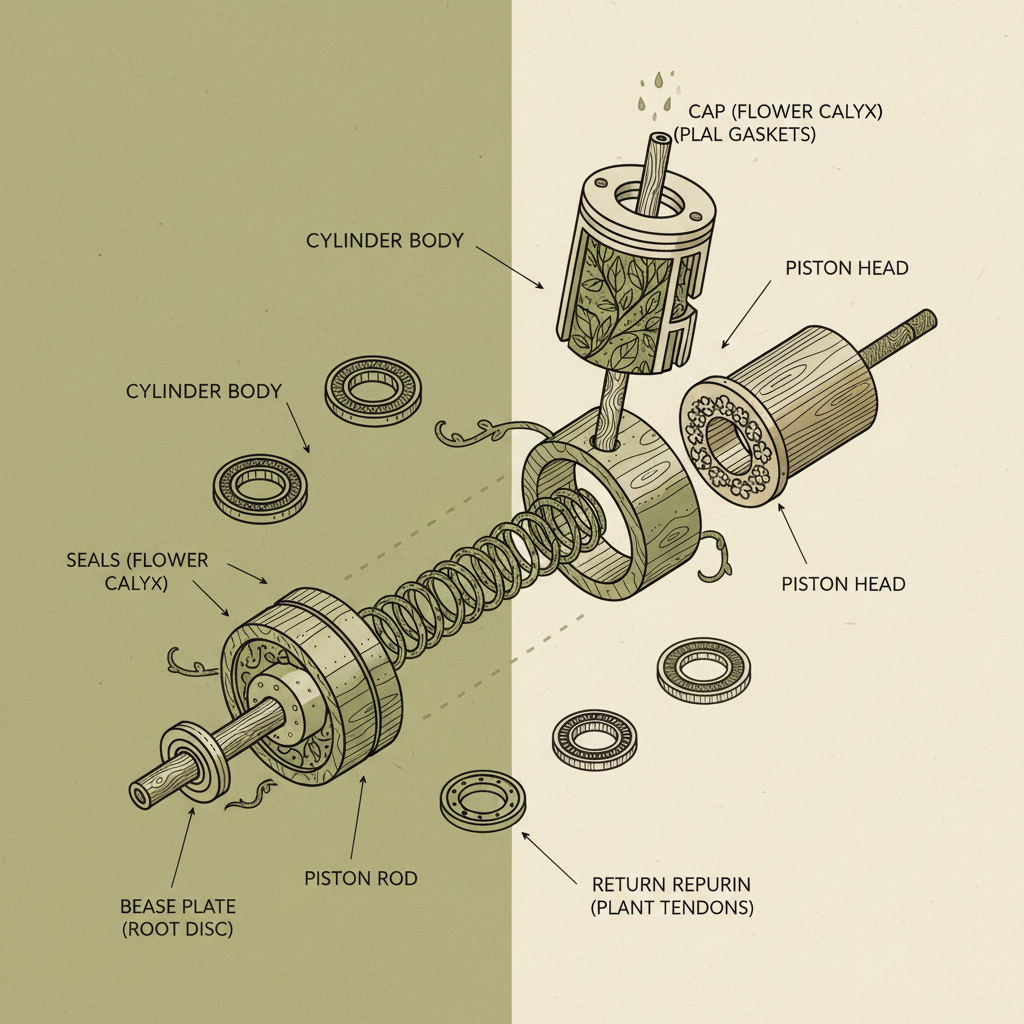
Several key components contribute to the functionality and performance of a tailplate hydraulic cylinder. The cylinder barrel, typically made from high-strength steel, houses the piston and provides structural support. The piston itself, fitted with seals, converts hydraulic pressure into linear motion. Rods are manufactured to withstand tension and compression forces, and the seals are crucial for preventing leakage and maintaining pressure. tailplate hydraulic cylinder use many components.
The tailplate, as the defining feature, is often constructed from thicker steel than the barrel and is securely attached to provide additional rigidity. The choice of materials for each component significantly impacts the cylinder's overall performance, durability, and operating temperature range. High-quality seals, for instance, are essential for preventing fluid leakage and ensuring long-term reliability.
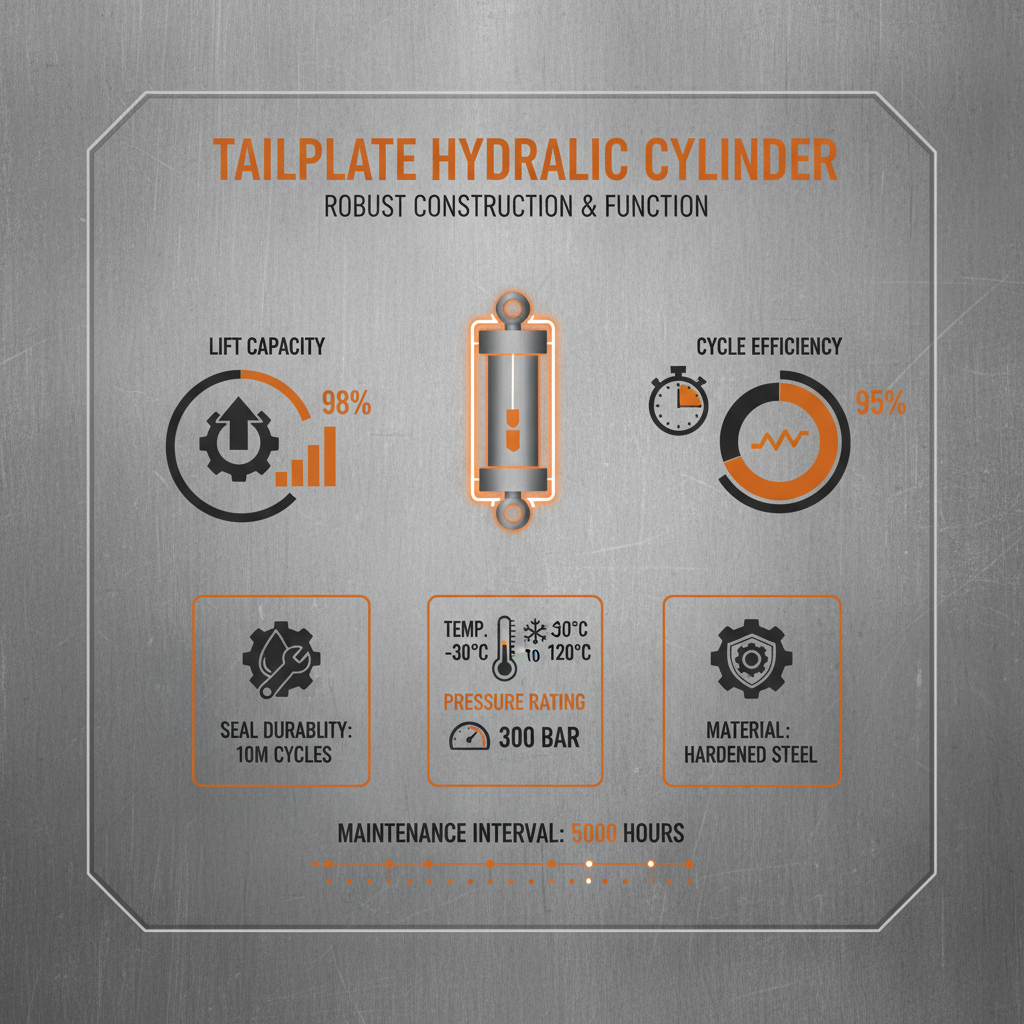
Crucial characteristics include pressure rating (maximum operating pressure), stroke length (distance the piston travels), bore diameter (internal diameter of the cylinder), and rod diameter. These parameters are carefully selected based on the specific application requirements and the forces involved. Proper specification ensures optimal performance and prevents premature failure of the tailplate hydraulic cylinder.
Performance Metrics of Tailplate Hydraulic Cylinders
Evaluating the performance of a tailplate hydraulic cylinder requires considering several key metrics. Force output, directly proportional to the hydraulic pressure and piston area, dictates the cylinder’s ability to handle loads. Speed, measured in inches per minute or meters per second, determines how quickly the cylinder can complete a stroke. These metrics are vital in selecting the appropriate tailplate hydraulic cylinder for a specific task.
Durability, expressed in terms of cycle life and resistance to corrosion, is another critical factor. Cylinders operating in harsh environments require special materials and coatings to withstand extreme temperatures, moisture, and chemical exposure. Side load capacity—the ability to resist forces acting perpendicular to the piston—is particularly important given the tailplate’s role in providing support.
Tailplate Hydraulic Cylinder Performance Comparison
Global Industrial Applications
Tailplate hydraulic cylinders are integral to a wide range of industries globally. In construction, they power excavators, bulldozers, and cranes, enabling the movement of heavy materials and the completion of large-scale projects. In manufacturing, they are used in presses, injection molding machines, and robotic arms, facilitating precise and repeatable operations.
Agriculture utilizes them in tractors, harvesters, and irrigation systems, increasing efficiency and productivity. The mining industry relies on them in drilling rigs and material handling equipment. In remote industrial zones, where reliability is paramount, the robust design of tailplate hydraulic cylinders makes them a preferred choice.
Advantages and Long-Term Value
The advantages of using tailplate hydraulic cylinders extend beyond their raw power. Their robust construction leads to a longer lifespan, reducing the frequency of replacements and associated costs. The tailplate design inherently enhances stability and reduces the risk of damage from side loads, which translates to fewer downtime events. tailplate hydraulic cylinder provides long-term value.
Furthermore, their relative simplicity in design contributes to easier maintenance and repair, lowering overall operational expenses. The reliable and predictable performance of these cylinders enhances safety, reduces the potential for accidents, and fosters trust among operators. These factors combine to create a compelling return on investment over the cylinder's entire lifecycle.
Future Trends and Innovations
The future of tailplate hydraulic cylinder technology is focused on several key areas. The integration of smart sensors and data analytics will enable predictive maintenance, allowing for proactive repairs and minimizing downtime. Advancements in materials science, such as the use of lightweight composites and corrosion-resistant alloys, will further enhance performance and durability.
The development of more efficient hydraulic fluids, including biodegradable options, will address environmental concerns. Automation and digital control systems will allow for precise and optimized operation of tailplate hydraulic cylinders, leading to increased efficiency and reduced energy consumption. The pursuit of sustainable solutions and increased efficiency will drive innovation in this critical component.
There's a growing trend toward incorporating Industry 4.0 principles, connecting cylinders to the Internet of Things (IoT) for real-time monitoring and remote diagnostics. This will enable proactive maintenance, improve performance, and optimize overall system efficiency.
FAQS
A tailplate hydraulic cylinder offers enhanced stability and support, especially when dealing with side loads or bending moments. The tailplate adds significant structural rigidity, reducing the risk of cylinder failure in demanding applications. This leads to longer lifespan, reduced downtime, and increased reliability, making it ideal for heavy-duty equipment and challenging environments.
The cylinder barrel and tailplate are commonly made from high-strength steel alloys, chosen for their durability and ability to withstand high pressures. The piston is typically made from steel or cast iron, while seals are made from materials like polyurethane or nitrile rubber, depending on the fluid compatibility and temperature requirements. Rods are usually chrome-plated for corrosion resistance.
Determining the correct size requires careful consideration of the application's force requirements, stroke length, operating pressure, and environmental conditions. You'll need to calculate the required force output, select a bore diameter and rod diameter accordingly, and ensure the cylinder’s pressure rating meets or exceeds the system's maximum pressure. Consulting with a hydraulic cylinder specialist is often recommended.
Regular maintenance includes checking for leaks, inspecting seals, and lubricating moving parts. Periodically inspect the hydraulic fluid for contamination and replace it as needed. Ensure proper alignment and avoid subjecting the cylinder to excessive side loads. Routine inspections and preventative maintenance can significantly extend the cylinder's lifespan.
Hydraulic fluid leaks can pose an environmental risk. Utilizing biodegradable hydraulic fluids and implementing robust leak prevention measures are crucial. Proper disposal of used hydraulic fluid is also essential to avoid soil and water contamination. Consider systems with closed-loop filtration to minimize fluid consumption and waste.
With proper maintenance and operation within specified parameters, a well-maintained tailplate hydraulic cylinder can last for 5-10 years or even longer. Factors influencing lifespan include the severity of the operating conditions, the quality of materials used, and the frequency of maintenance. Regular inspections and proactive repairs are key to maximizing longevity.
Conclusion
In conclusion, the tailplate hydraulic cylinder remains a vital component across a diverse range of industries, providing reliable and powerful linear motion. Its robust design, enhanced stability, and long-term durability make it an indispensable asset in demanding applications. Advancements in materials, sensor technology, and automation are poised to further enhance its performance and efficiency in the years to come. tailplate hydraulic cylinder is a vital component.
Looking ahead, the integration of smart technologies and sustainable practices will be crucial for optimizing the lifecycle of these cylinders and minimizing their environmental impact. Investing in high-quality tailplate hydraulic cylinders and implementing proactive maintenance programs will ensure continued reliability and efficiency, driving innovation and productivity across various sectors. Visit our website at www.hebeishenghan.com to learn more about our range of hydraulic cylinder solutions.