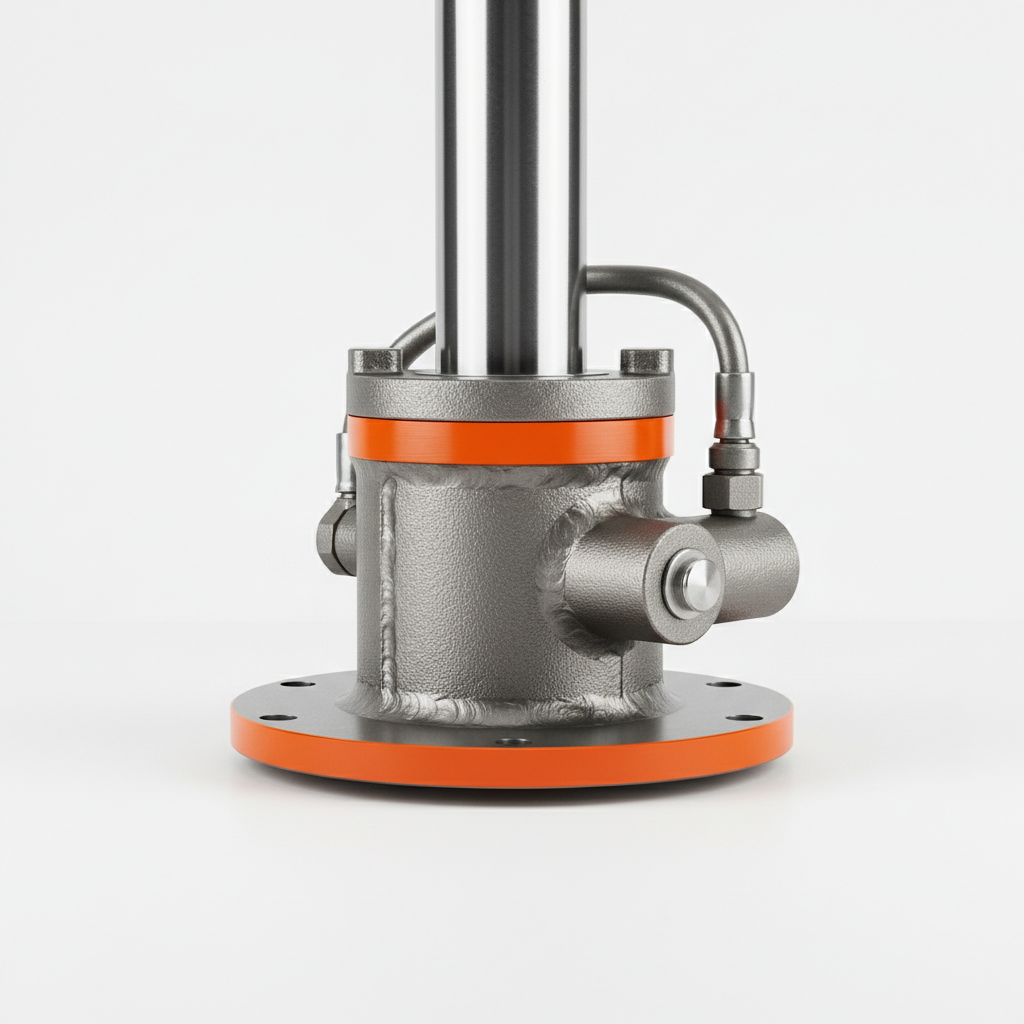
Hydraulic cylinders are fundamental components in countless industrial applications, and the two-way hydraulic cylinder stands as a versatile workhorse. This design, allowing force exertion in both directions, is critical for tasks requiring precise control and powerful actuation. Understanding the principles and applications of the two-way hydraulic cylinder is essential for engineers, technicians, and anyone involved in machinery operation and maintenance. Its widespread use signifies its reliability and cost-effectiveness in a diverse range of industries.
Globally, the demand for hydraulic systems, and consequently, two-way hydraulic cylinders, is driven by growth in sectors like construction, agriculture, manufacturing, and materials handling. According to the International Organization for Standardization (ISO), the hydraulic equipment market is projected to continue expanding, driven by technological advancements and increasing automation. The ability of these cylinders to deliver significant force and precise motion makes them irreplaceable in many applications, contributing substantially to operational efficiency.
Challenges arise from the need for improved energy efficiency and reduced environmental impact in hydraulic systems. The design and manufacturing of advanced two-way hydraulic cylinders, incorporating features like leak prevention and optimized sealing technologies, are crucial to address these concerns and ensure sustainable operation. Addressing these demands fuels innovation and expansion in this crucial component sector.
Introduction to Two-Way Hydraulic Cylinders
Two-way hydraulic cylinders are linear actuators that convert hydraulic pressure into mechanical force, providing movement in both extending and retracting directions. They are integral to systems demanding controlled motion and substantial power, distinguishing them from single-acting cylinders which rely on a spring return. The core function relies on pressurized fluid acting on a piston within a cylinder bore.
These cylinders are extensively used in a myriad of applications, from heavy machinery and construction equipment to industrial automation and vehicle systems. Their robustness, reliability, and ability to handle high loads make them preferable over other actuation technologies in many circumstances. Choosing the right two-way hydraulic cylinder depends on factors like load capacity, stroke length, and operating pressure.
Defining Two-Way Hydraulic Cylinders
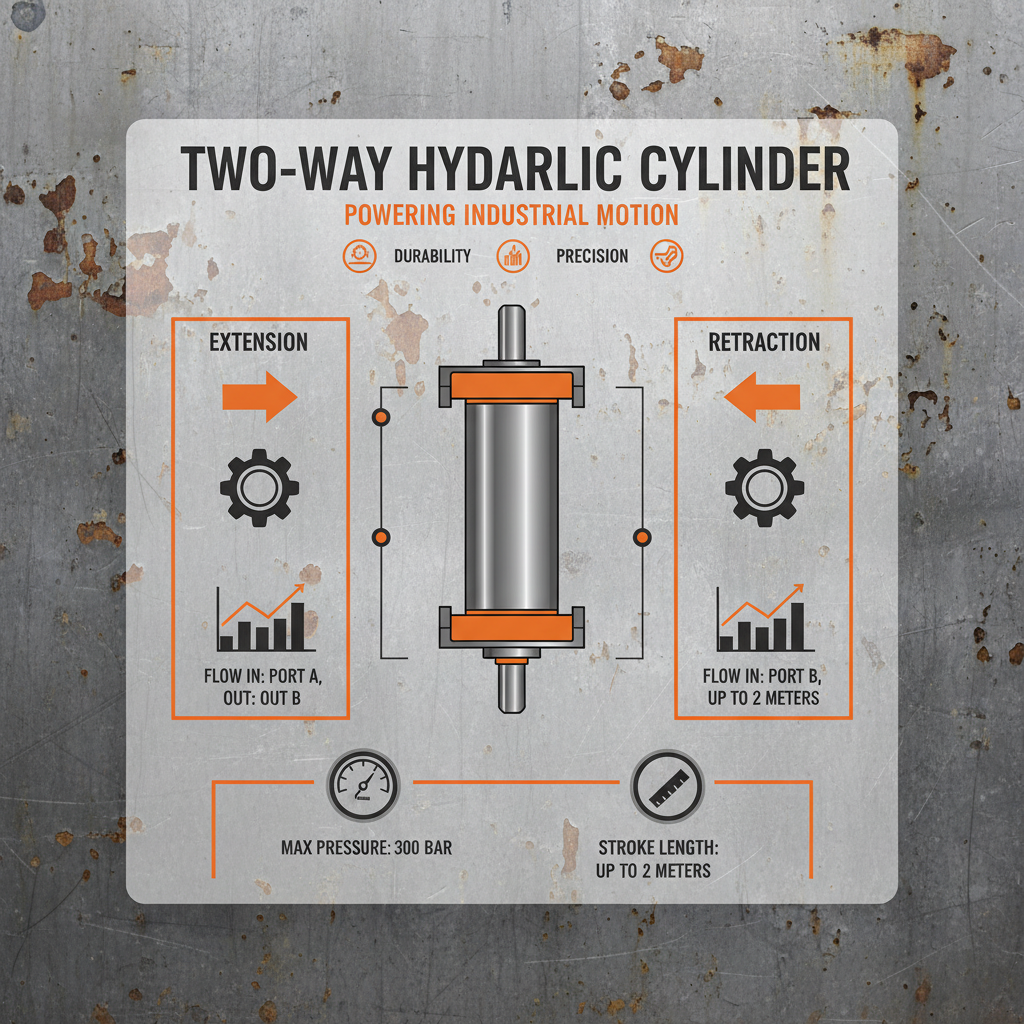
A two-way hydraulic cylinder, at its core, is a mechanical device that utilizes pressurized hydraulic fluid to generate force and motion in two distinct directions – extension and retraction. Unlike single-acting cylinders that require an external force (like a spring) for return stroke, a two-way cylinder utilizes hydraulic pressure for both extending and retracting the piston rod. This makes them ideal for applications needing precise control of movement in both directions.
The primary components of a two-way hydraulic cylinder include the cylinder barrel, piston, piston rod, seals, and ports for fluid entry and exit. The operation is relatively straightforward: pressurized fluid is directed to one side of the piston to extend the rod, and then directed to the opposite side to retract it. The control of fluid flow determines the speed and force of the movement.
This versatile design directly addresses critical needs in modern industry. From the precise lifting and lowering operations in construction machinery to the controlled movements in robotic arms and industrial presses, two-way cylinders offer reliability and performance. They are fundamental to numerous sectors, enhancing efficiency and productivity across various applications.
Key Characteristics of Two-Way Cylinders
Durability is a paramount characteristic of two-way hydraulic cylinders. Constructed from high-strength materials like steel alloys, they can withstand immense pressures and harsh operating conditions. Proper sealing technologies and robust design contribute to prolonged operational life and reduced maintenance requirements, vital for minimizing downtime and maximizing productivity.
Precision control is another key factor. Two-way hydraulic cylinders enable accurate positioning and movement due to their bidirectional functionality. By modulating the hydraulic fluid flow, operators can control both the speed and force of the cylinder's extension and retraction, critical for applications like robotic assembly and delicate material handling.
Scalability refers to the wide range of sizes and configurations available. Two-way cylinders can be customized to meet specific application requirements, offering varied bore diameters, stroke lengths, and mounting options. This adaptability makes them suitable for a broad spectrum of industries and machinery types.
Practical Applications and Industries
Two-way hydraulic cylinders are central to the functionality of heavy construction equipment such as excavators, loaders, and bulldozers, providing the force needed for digging, lifting, and material handling. Their ability to withstand harsh environments and deliver consistent performance makes them indispensable in these applications.
In the agricultural sector, they’re utilized in tractors, combines, and harvesters for controlling implements, lifting loads, and providing precise movement during planting and harvesting operations. Furthermore, in manufacturing, two-way hydraulic cylinders drive industrial presses, robotic arms, and material handling systems, contributing to automated and efficient production processes.
The automotive industry leverages two-way cylinders in vehicle suspension systems, steering mechanisms, and braking systems, enhancing vehicle control and safety. In remote industrial zones, where reliable power sources are limited, these cylinders offer a powerful and efficient solution for various operational needs.
Two-Way Hydraulic Cylinder Performance Indicators
Benefits and Long-Term Value
Cost-effectiveness is a key benefit. While initial investment might be comparable to other actuation methods, the long-term operational efficiency and reduced maintenance requirements of two-way hydraulic cylinders contribute to lower lifecycle costs. The reliability of these cylinders minimizes downtime and associated financial losses.
Sustainability is increasingly important, and advancements in hydraulic fluid technology and cylinder design promote environmentally responsible operation. Reducing hydraulic fluid leaks and optimizing energy efficiency minimizes environmental impact. Moreover, the robust construction ensures long-term durability, reducing the need for frequent replacements and minimizing waste.
Future Trends and Innovations
The integration of smart technologies, such as sensors and data analytics, is transforming the capabilities of two-way hydraulic cylinders. Real-time monitoring of pressure, temperature, and position enables predictive maintenance and optimized performance. This allows for proactive identification of potential issues before they lead to costly breakdowns.
Research into advanced materials, like lightweight composites and self-lubricating polymers, is leading to lighter and more efficient cylinders. Furthermore, the development of electro-hydraulic systems offers improved control and precision, paving the way for advanced automation and robotics applications, all contributing to a more sustainable and efficient future for hydraulic technology.
Challenges and Potential Solutions
One common challenge is energy inefficiency in traditional hydraulic systems. Solutions include the adoption of variable displacement pumps, regenerative circuits, and energy recovery systems to minimize energy waste and enhance overall efficiency. Addressing these concerns is vital for reducing operational costs and environmental impact.
Fluid leakage can lead to environmental contamination and reduced system performance. Innovations in sealing technology, coupled with advanced materials, are minimizing leakage risks. Regular maintenance and inspection programs are also essential for detecting and addressing potential leak points promptly.
Maintaining precise control in dynamic applications can be complex. Closed-loop control systems, incorporating sophisticated sensors and algorithms, offer enhanced precision and responsiveness, ensuring optimal performance even under fluctuating loads and conditions.
Summary of Key Challenges and Solutions for Two-Way Hydraulic Cylinders
| Challenge |
Impact |
Solution |
Implementation Cost (1-10) |
| Energy Inefficiency |
Increased Operating Costs |
Variable Displacement Pumps |
7 |
| Fluid Leakage |
Environmental Contamination |
Advanced Sealing Materials |
6 |
| Control Precision |
Inaccurate Positioning |
Closed-Loop Control Systems |
8 |
| Material Degradation |
Reduced Cylinder Lifespan |
Corrosion-Resistant Coatings |
5 |
| High Maintenance |
Increased Downtime |
Predictive Maintenance Programs |
4 |
| Noise Pollution |
Uncomfortable Working Environment |
Noise Dampening Materials |
3 |
FAQS
The primary difference lies in actuation control. A two-way cylinder uses hydraulic pressure for both extension and retraction, offering precise control in both directions. A single-acting cylinder relies on hydraulic pressure for extension only, utilizing a spring or gravity for retraction. Two-way cylinders are favored for applications requiring controlled movement in both directions, while single-acting versions are suitable for simpler push-pull tasks where controlled retraction isn't critical. This impacts cost, complexity, and the types of machinery they can be used in.
Selecting the right size involves considering the required force, speed, and travel distance. Bore size determines the force – larger bores generate more force. Stroke length defines the maximum travel distance. Calculate the required force based on the load and desired acceleration. Account for friction and system losses. Consult cylinder specification charts and consider safety factors to ensure the cylinder can handle the application's demands without overstressing.
Common causes include seal failure, contamination of the hydraulic fluid, rod bending, and corrosion. Seal failure often results from wear and tear or incompatible fluid. Contamination can damage internal components. Rod bending typically arises from excessive side loads. Regular fluid analysis, proper filtration, and appropriate lubrication are crucial preventive measures. Timely inspection and replacement of worn components can also extend cylinder life.
The best fluid depends on operating conditions, temperature, and compatibility with cylinder materials. Mineral-based hydraulic fluids are commonly used, but synthetic fluids offer superior performance in extreme temperatures and demanding applications. Ensure the fluid meets the cylinder manufacturer's specifications and provides adequate lubrication, corrosion protection, and viscosity for optimal performance. Regular fluid changes are vital for maintaining system health.
Implement a regular maintenance schedule that includes fluid analysis, filter replacement, and visual inspection for leaks or damage. Proper lubrication is key. Avoid exceeding the cylinder's pressure and temperature limits. Protect the piston rod from corrosion and damage. Ensure proper alignment during installation. These practices will significantly extend the cylinder's lifespan and reduce the risk of costly failures.
Always relieve pressure before disconnecting any hydraulic lines. Wear appropriate personal protective equipment (PPE), including safety glasses and gloves. Never work on a hydraulic system without proper training. Be aware of pinch points and potential for high-pressure fluid leaks. Ensure the work area is clean and well-ventilated. Follow the manufacturer’s safety guidelines diligently.
Conclusion
In conclusion, the two-way hydraulic cylinder remains a vital component across a vast spectrum of industries, offering a powerful, reliable, and controllable solution for linear actuation. Its ability to generate force in both directions, combined with its scalability and durability, makes it a cornerstone of modern machinery and automation. Understanding the principles of operation, key characteristics, and emerging trends is essential for optimizing performance and maximizing the benefits of this technology.
Looking ahead, continued innovation in materials, control systems, and fluid technology will further enhance the efficiency, sustainability, and capabilities of two-way hydraulic cylinders. Embracing these advancements will be crucial for addressing evolving industrial demands and fostering a future where hydraulic power plays an even more significant role in driving progress. For high-quality two-way hydraulic cylinder solutions, visit our website today.