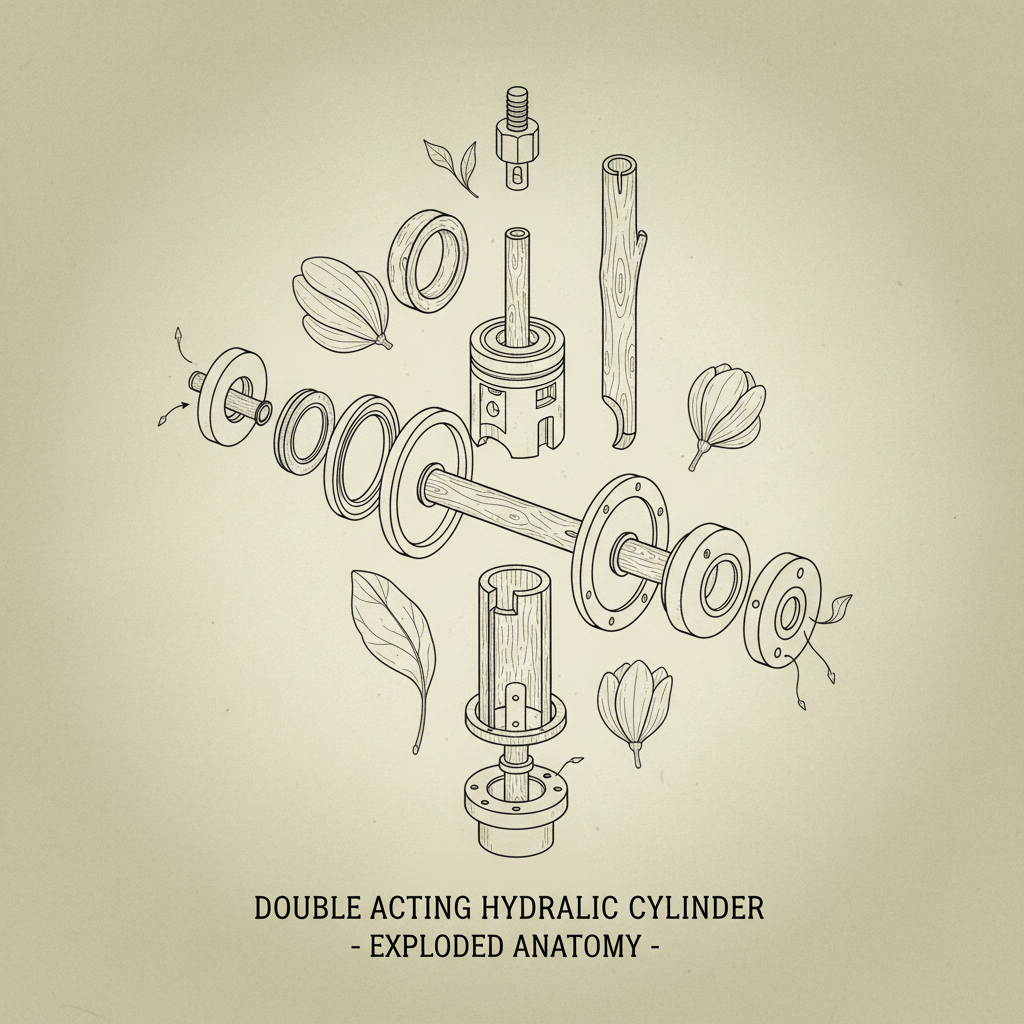
The global demand for efficient agricultural machinery is constantly increasing, driven by the need to feed a growing population and optimize food production. Within this landscape, the flat bottom hydraulic cylinder for paddy field plays a crucial, often understated, role. These specialized cylinders are essential components in rice transplanting machines, leveling equipment, and other agricultural tools used in paddy fields, impacting yield and resource management. Understanding their design, applications, and future trends is vital for agricultural engineers, manufacturers, and farmers worldwide.
Paddy fields, covering a significant portion of arable land globally, require unique agricultural solutions. Traditional methods often involve manual labor, which is inefficient and costly. The flat bottom hydraulic cylinder for paddy field addresses this challenge by providing the reliable power and precision needed for mechanized farming in these environments. Its robustness and suitability for muddy, submerged conditions make it a critical enabler of modern agricultural practices.
The integration of advanced hydraulic technology into paddy field agriculture, powered by these cylinders, directly impacts global food security and economic stability in rice-producing regions. Investing in research and development related to flat bottom hydraulic cylinder for paddy field technology is therefore paramount.
Introduction: Global or Industry Context
Globally, rice production is a cornerstone of food security for over half the world's population, particularly in Asia. According to the Food and Agriculture Organization (FAO) of the United Nations, Asia accounts for approximately 90% of global rice production. This demands robust and efficient agricultural technologies, with the flat bottom hydraulic cylinder for paddy field being a key component. The increasing mechanization of rice farming, driven by labor shortages and the need for increased yields, has propelled the demand for these specialized cylinders.
The market for agricultural hydraulics is projected to grow significantly in the coming years, fueled by government initiatives promoting modernization of farming practices and increasing investment in precision agriculture. A 2023 report by Market Research Future estimates the global agricultural hydraulics market to reach $12.5 billion by 2030, indicating a substantial opportunity for manufacturers of components like the flat bottom hydraulic cylinder for paddy field.
However, the widespread adoption of mechanized paddy farming faces challenges, including the specific demands of submerged environments, the need for durable and corrosion-resistant materials, and the cost of equipment for smallholder farmers. The flat bottom hydraulic cylinder for paddy field is instrumental in overcoming these hurdles by providing a reliable and adaptable power source for essential farming operations.
Definition & Meaning
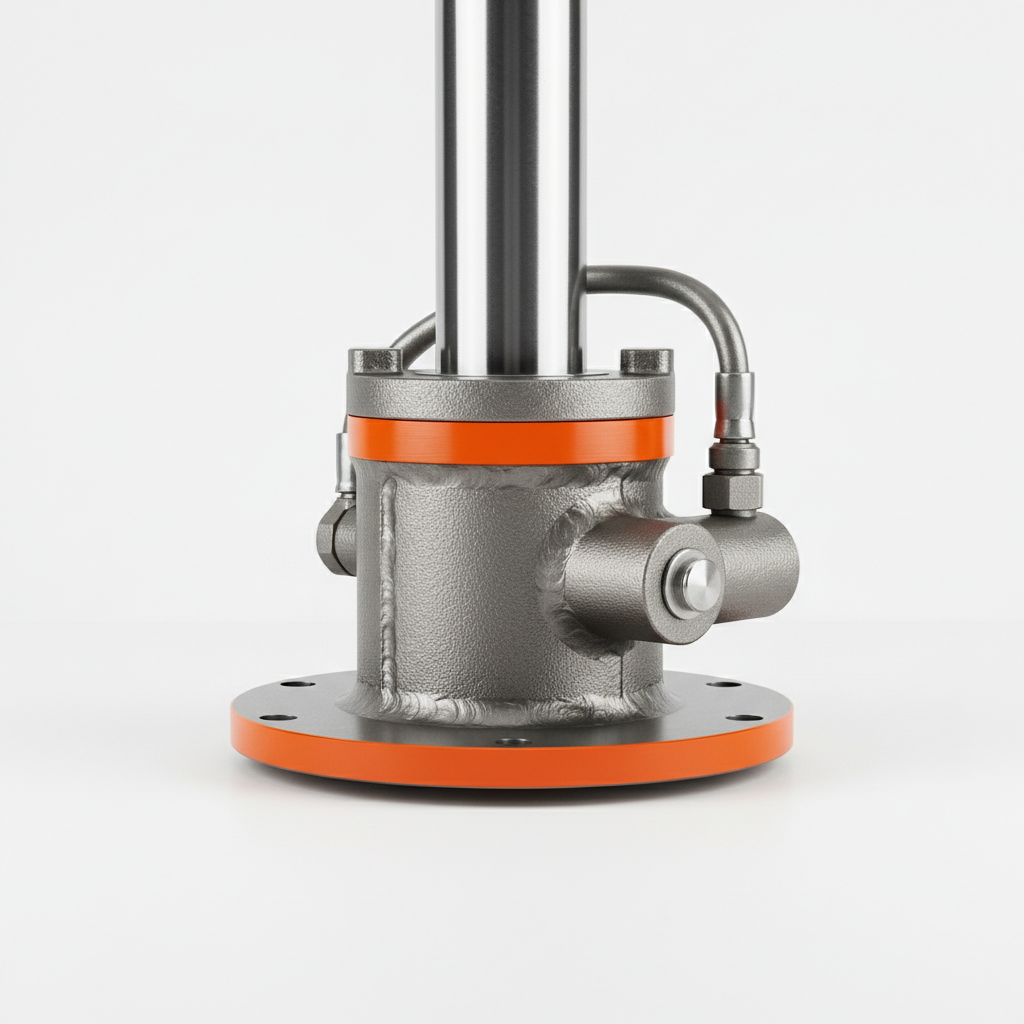
A flat bottom hydraulic cylinder for paddy field is a type of hydraulic cylinder specifically designed for use in agricultural machinery operating within paddy fields. Unlike standard hydraulic cylinders, it features a flat bottom design which prevents it from sinking into the soft, muddy soil characteristic of these environments. This design ensures stable operation and efficient power transfer, even when partially submerged.
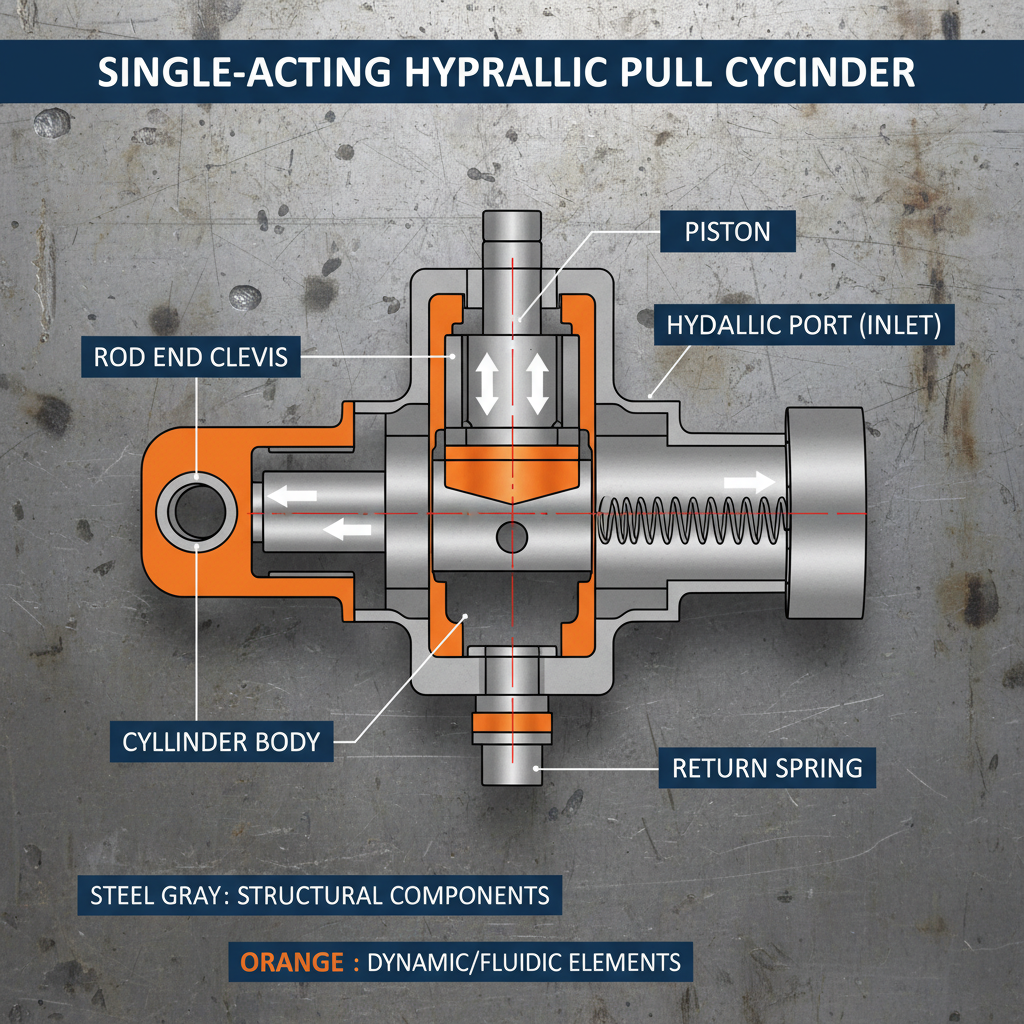
The core function of this cylinder is to convert hydraulic pressure into linear motion, providing the force necessary to lift, lower, or maneuver agricultural implements. It’s a critical component in machines used for tasks like rice transplanting, land leveling, and weed control, significantly reducing manual labor and increasing productivity.
This technology represents a convergence of engineering principles and agricultural needs. It isn’t simply about building a cylinder; it’s about designing a solution that addresses the unique challenges of paddy field farming, contributing to increased food production and sustainable agricultural practices in regions dependent on rice cultivation.
Key Factors or Core Components
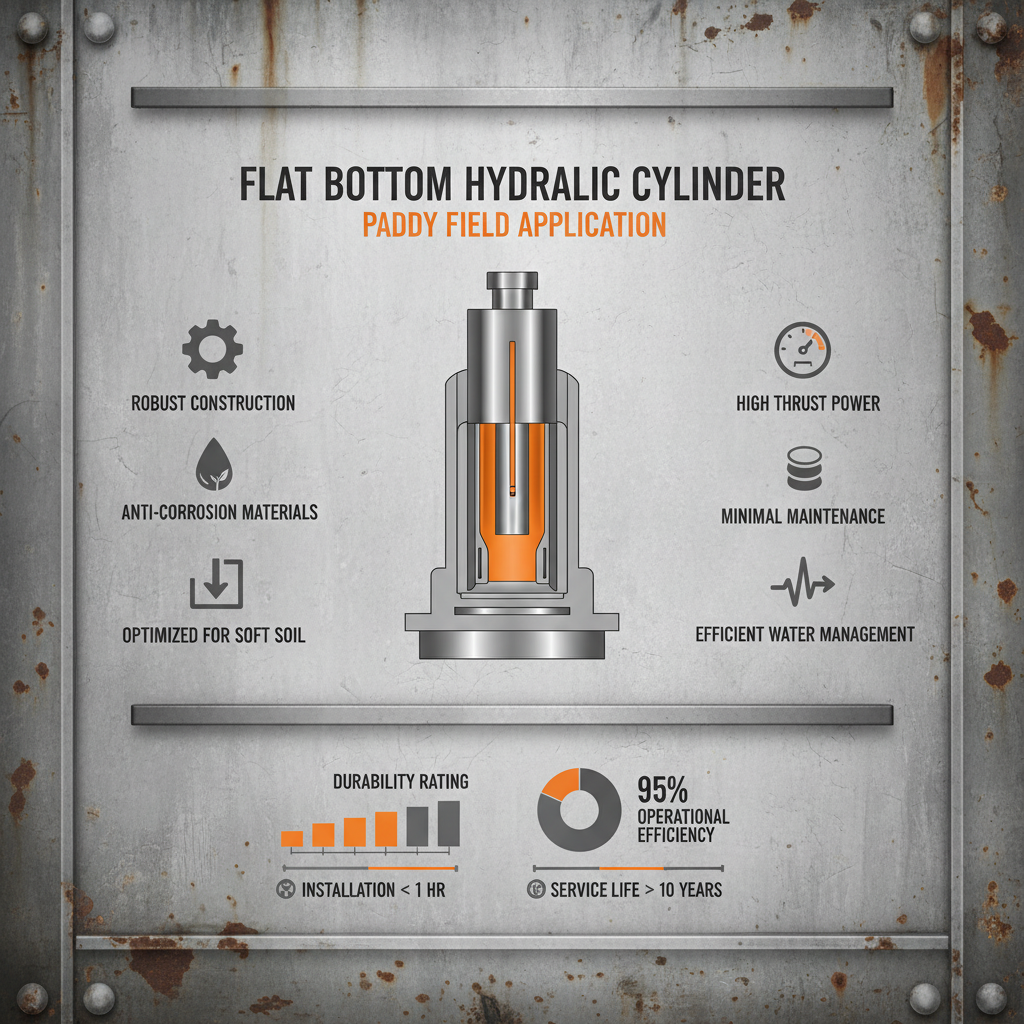
Durability: The paddy field environment is highly corrosive due to constant exposure to water, mud, and agricultural chemicals. A robust flat bottom hydraulic cylinder for paddy field requires high-quality materials, such as hardened steel and corrosion-resistant coatings, to withstand these harsh conditions and ensure a long service life.
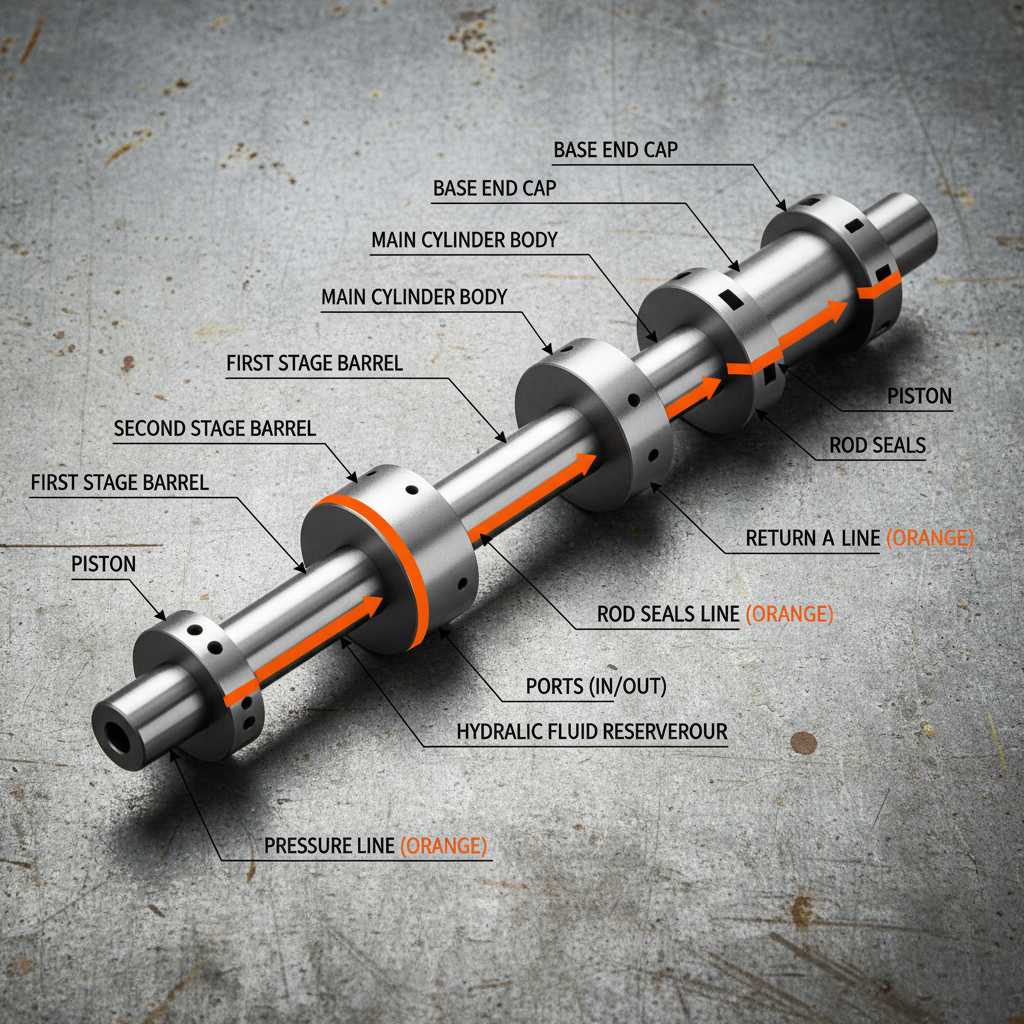
Sealing Technology: Effective sealing is paramount to prevent leakage of hydraulic fluid and contamination from mud and debris. Advanced sealing materials and designs are crucial for maintaining optimal performance and minimizing downtime. This aspect directly impacts the efficiency and reliability of the entire agricultural machine.
Flat Bottom Design: As the name suggests, the flat bottom is the defining feature. This design provides a stable base, preventing the cylinder from sinking into the soft paddy field soil. The size and shape of the flat bottom are optimized based on soil conditions and the specific application.
Hydraulic Fluid Compatibility: The flat bottom hydraulic cylinder for paddy field needs to be compatible with the type of hydraulic fluid used in the agricultural machinery. Different fluids have different properties, and incompatibility can lead to corrosion, seal damage, and reduced performance.
Stroke Length & Force Capacity: The appropriate stroke length and force capacity of the cylinder are critical for performing the intended agricultural task. Selecting the right specifications ensures that the machine can efficiently lift, lower, or maneuver implements with the required precision and power.
Global Applications & Use Cases
Flat bottom hydraulic cylinders for paddy field are primarily utilized in rice transplanting machines, which are essential in countries like China, India, Vietnam, Thailand, and Indonesia—major rice producers. These cylinders provide the power to lift and accurately place rice seedlings into the paddy field, significantly speeding up the planting process compared to manual methods.
They are also integral to paddy field leveling machines, ensuring a uniform water depth across the field, which is crucial for optimal rice growth. These machines are widely used in regions with uneven terrain to create level surfaces for efficient irrigation and harvesting.
In post-disaster relief operations following floods in paddy field-dependent regions, these cylinders can be incorporated into rapid land rehabilitation equipment. Furthermore, smaller-scale applications include powering weed control machines and irrigation systems in remote agricultural zones where manual labor is scarce.
Application Frequency of flat bottom hydraulic cylinder for paddy field by Operation Type
Advantages & Long-Term Value
The primary advantage of using a flat bottom hydraulic cylinder for paddy field is increased efficiency in paddy field operations. Mechanization reduces labor costs, minimizes planting time, and optimizes resource utilization, leading to higher yields and improved profitability for farmers.
Long-term value is realized through enhanced sustainability. By reducing the need for extensive manual labor, these cylinders contribute to alleviating rural poverty and promoting equitable access to agricultural opportunities. Their durability and reliability also minimize downtime and maintenance costs, ensuring a stable return on investment.
Future Trends & Innovations
Future advancements in flat bottom hydraulic cylinder for paddy field technology will likely focus on integrating smart sensors and data analytics for predictive maintenance. Real-time monitoring of cylinder performance will allow farmers to identify potential issues before they escalate, minimizing downtime and optimizing operational efficiency.
Furthermore, the development of lightweight, high-strength materials, such as advanced composites, will reduce the overall weight of agricultural machinery, improving maneuverability and fuel efficiency. The integration of renewable energy sources, like solar power, to drive hydraulic systems will further enhance sustainability and reduce reliance on fossil fuels.
Challenges & Solutions
A common challenge is the susceptibility of hydraulic cylinders to corrosion in the harsh paddy field environment. Traditional corrosion protection methods, such as coatings, can degrade over time. A promising solution lies in exploring advanced surface treatments, such as plasma nitriding or diamond-like carbon coatings, which offer superior corrosion resistance.
Another challenge is the high initial cost of mechanized paddy farming equipment, which can be prohibitive for smallholder farmers. Innovative financing models, such as cooperative ownership or government subsidies, can help make these technologies more accessible.
Finally, ensuring compatibility with different types of hydraulic fluids and agricultural machinery requires standardization of cylinder designs and specifications. Collaboration between manufacturers and industry stakeholders is crucial for developing common standards and promoting interoperability.
Summary of Key Challenges and Potential Solutions for flat bottom hydraulic cylinder for paddy field
| Challenge |
Impact on flat bottom hydraulic cylinder for paddy field Performance |
Potential Solution |
Implementation Difficulty (1-10) |
| Corrosion in Paddy Field |
Reduced lifespan, increased maintenance |
Advanced surface treatments (plasma nitriding) |
7 |
| High Initial Cost |
Limited adoption by smallholder farmers |
Innovative financing models (cooperative ownership) |
6 |
| Fluid Compatibility |
Performance degradation, seal failure |
Standardization of cylinder materials |
5 |
| Seal Failure |
Loss of hydraulic pressure, reduced efficiency |
Advanced sealing materials and designs |
4 |
| Mud & Debris Contamination |
Wear and tear, reduced lifespan |
Improved filtration systems and protective covers |
6 |
| Lack of Skilled Maintenance |
Increased downtime, premature failure |
Training programs for local technicians |
8 |
FAQS
High-quality flat bottom hydraulic cylinders for paddy fields typically utilize hardened steel for the cylinder body and piston rod to ensure durability and resistance to wear. Seals are often made from nitrile rubber or Viton, offering excellent resistance to hydraulic fluids and environmental factors. The flat bottom itself often uses wear-resistant alloys. Corrosion protection is achieved through coatings like zinc plating or epoxy paint, safeguarding against the harsh, wet conditions of paddy fields. Selecting appropriate materials directly correlates with the longevity and performance of the cylinder.
The flat bottom design significantly improves functionality by distributing the cylinder’s weight over a larger surface area, preventing it from sinking into the soft, muddy soil common in paddy fields. This provides a stable base for operation, ensuring consistent and efficient power transfer. Without a flat bottom, the cylinder would quickly become bogged down, hindering its ability to effectively power agricultural machinery. This is crucial for tasks like rice transplanting and land leveling.
Regular maintenance is vital for maximizing lifespan. This includes periodic cleaning to remove mud and debris, inspection of seals for wear and tear, and checking hydraulic fluid levels. Lubricating the piston rod and ensuring proper filtration of the hydraulic fluid are also essential. Additionally, it’s recommended to inspect for corrosion and address it promptly with appropriate coatings. Following the manufacturer’s guidelines for maintenance will significantly extend the cylinder’s operational life.
The typical lifespan varies depending on operating conditions and maintenance practices. However, a well-maintained flat bottom hydraulic cylinder for paddy field can last between 5 to 10 years. Factors like the frequency of use, the severity of the environment, and the quality of materials all influence longevity. Implementing a proactive maintenance schedule is critical for achieving the upper end of this range.
Selecting the correct size and stroke length involves considering the force requirements of the application and the range of motion needed. Determine the maximum load the cylinder needs to lift or move, and then consult with a hydraulic specialist or refer to the manufacturer’s specifications. The stroke length should be sufficient to accommodate the full range of movement required by the agricultural implement. Incorrect sizing can lead to inefficient operation or premature failure.
Yes, biodegradable hydraulic fluids are increasingly available and offer a more environmentally friendly alternative to traditional mineral oil-based fluids. These fluids decompose more readily, minimizing environmental impact in case of leaks or spills. However, it’s important to ensure that the fluid is compatible with the cylinder’s seals and other components. Selecting a fluid with a lower environmental footprint contributes to sustainable agricultural practices.
Conclusion
In conclusion, the flat bottom hydraulic cylinder for paddy field represents a vital piece of technology in modern agriculture, particularly within the rice-producing regions of the world. Its specialized design, durability, and essential role in mechanizing paddy field operations contribute significantly to increased food production, reduced labor costs, and improved sustainability. Understanding its core components, applications, and future trends is crucial for stakeholders across the agricultural industry.
Looking ahead, continued innovation in materials science, sensor technology, and sustainable hydraulic fluids will further enhance the performance and environmental friendliness of these cylinders. Investing in research, development, and training programs will be key to unlocking their full potential and ensuring their widespread adoption, ultimately contributing to a more secure and sustainable global food supply. Visit our website at www.hebeishenghan.com to learn more.