You know, I've been running around construction sites all year, getting dust all over my clothes. Honestly, these days everyone's talking about smart hydraulics. Not just powerful, but smart. Sensors, data logging, remote control… fancy stuff. But after years of seeing things break down in the real world, I'll tell you, a lot of these ‘innovations’ are just headaches waiting to happen. They over-engineer things, forget about the basic robustness.
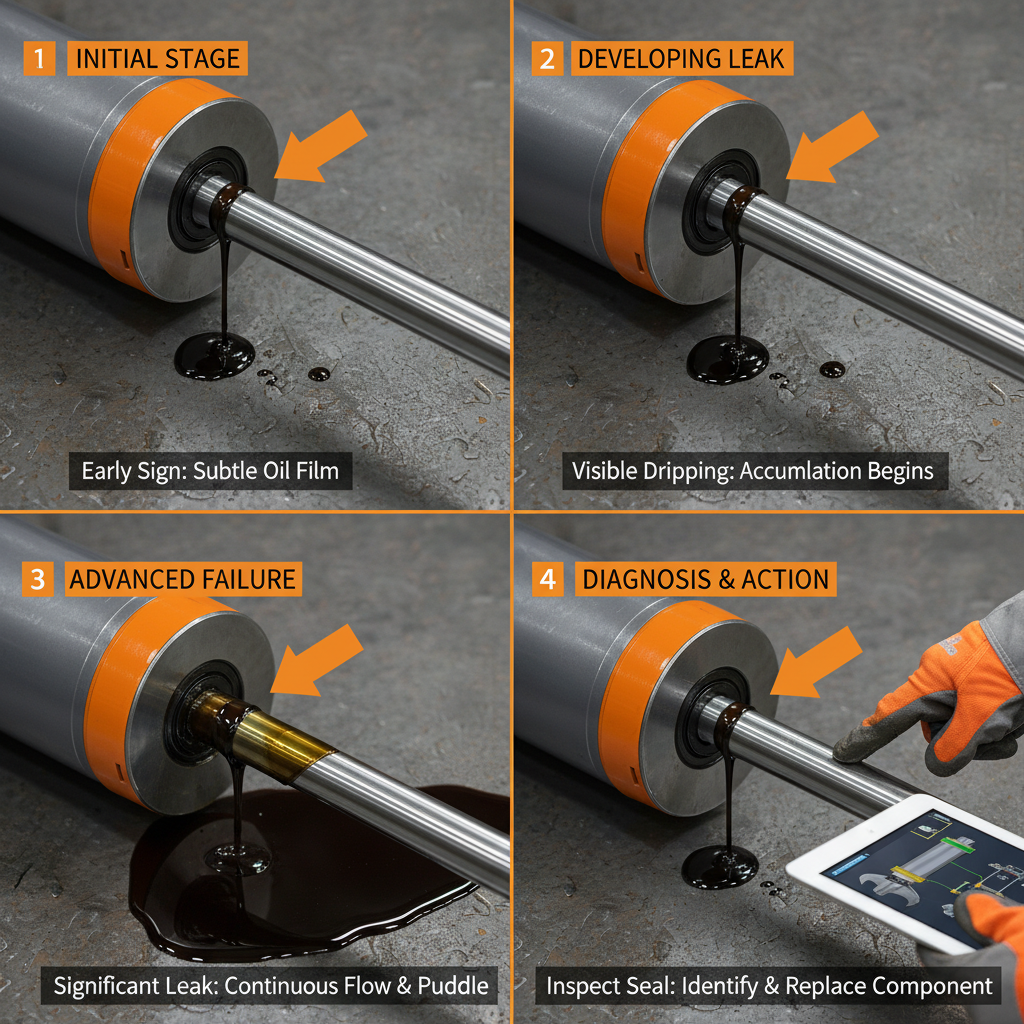
Have you noticed how many designs fall apart when you actually try to use them? It’s always the little things. Like, engineers on paper think a certain seal will hold up, but then you get it out in the field, exposed to grit, temperature swings, and… well, everything. It leaks. Always leaks. And then you’re chasing problems instead of getting work done.
And the materials… don’t even get me started. We primarily work with high-strength alloy steel for the cylinder body itself - you can smell it when they’ve just been machined, that metallic, slightly oily scent. Good stuff, really. It needs to be, with the pressures these things handle. But the seals… that’s where things get tricky. Polyurethane's okay for some applications, but it can wear quickly. Viton's better, more resistant, but it’s expensive and a pain to work with. I encountered a batch at the XX factory last time that was just… sticky. Like trying to wrestle a rubber band.
The Rise of Smart Hydraulics
Strangely enough, even with all the tech, the fundamental principles haven't changed much. It's still about moving stuff with fluid pressure. But now, everyone wants to add sensors to measure pressure, position, temperature… and connect it all to the cloud. Honestly, I’m a bit skeptical. More things to break, more things to maintain. Still, the data can be useful for predictive maintenance – if you can get it to work reliably.
The big push right now is toward energy efficiency. Everybody wants to reduce fuel consumption and emissions. Which makes sense, of course. But it means more complex control systems, which again, brings us back to the reliability problem.
Design Pitfalls and Real-World Usage
The biggest problem I see is designers who haven’t spent a day on a construction site. They design these beautiful, streamlined cylinders, all perfect angles and tight tolerances. But they forget about dirt, vibration, and the fact that someone's actually going to have to wrench on it. Anyway, I think you really need to consider the mounting points. A poorly designed mount will destroy a cylinder faster than anything.
And then there’s the usage. People don’t always use things the way you intend. I’ve seen guys use hydraulic cylinders as makeshift jacks, as hammers, as… you name it. They’ll abuse them in ways you’d never imagine. So, you have to build in a margin of safety. A big margin of safety.
You'd be surprised how often someone will try to operate a cylinder beyond its specified stroke length. A little extra push, they think. It’ll never end well.
Materials and Their Quirks
Like I said, alloy steel is the workhorse for the cylinder barrel. It needs to be hard and durable, and resistant to corrosion. But it's heavy. And that weight adds up when you’re installing multiple cylinders. The piston rod is usually chrome-plated to protect it from corrosion and wear. That chrome plating is critical – if it gets damaged, the rod will rust, and you’re in trouble.
Now, the hydraulic fluid itself… that's a whole other can of worms. Mineral oil is common, but it can be flammable. Synthetic fluids are safer, but they're more expensive and sometimes incompatible with certain seals. And don't even get me started on keeping the fluid clean. A little bit of dirt can ruin a whole system. I've seen it happen more times than I care to remember. Filtering is key, but even the best filters can't catch everything.
And the hoses? Don’t underestimate the importance of good hoses. They need to be flexible enough to handle the movement, but strong enough to withstand the pressure. Bursting a hose is… not fun.
Testing Beyond the Lab
Lab tests are okay, but they don’t tell the whole story. You need to test these cylinders in real-world conditions. I'm talking about mounting them on equipment, subjecting them to vibration, temperature extremes, and continuous operation. We have a dedicated testing rig at our facility that simulates a working environment.
We also do burst tests, of course. You crank up the pressure until something breaks. It's not pretty, but it tells you where the weak points are. And we look for leaks, fatigue cracks, and any other signs of failure. We’ve started incorporating impact testing too – simulating accidental drops or collisions.
oscillating hydraulic cylinder Performance Metrics
User Habits: The Unexpected Truth
You wouldn’t believe some of the things people do. They’ll ignore the operating manual, over-torque the fittings, use the wrong fluid… It’s a constant battle. We try to make the cylinders as foolproof as possible, but you can’t account for every idiot out there.
I’ve seen guys try to fix leaks with duct tape! Duct tape! Seriously? It never works, but they try.
Advantages, Disadvantages, and Customization
The main advantage, of course, is power. You can lift heavy loads, apply massive force, and control movement with precision. They’re relatively simple, too – fewer moving parts than pneumatic systems, which means less to go wrong. But they’re heavy, they can leak, and they require a lot of maintenance.
We do offer customization. Last week, a client needed a cylinder with a specific mounting configuration to fit into a tight space. We were able to modify the design and deliver a custom solution in a reasonable timeframe. It’s not always possible, but we try to accommodate requests whenever we can.
A Customer Story: The Debacle
Last month, that small boss in Shenzhen who makes smart home devices insisted on changing the interface to . Said it was “more modern.” I tried to explain that a hydraulic connection isn't exactly suited for a USB port, but he wouldn't listen. He wanted a compact, integrated solution.
He got a unit that lasted about a week before the connector completely failed. The pressure was just too much. He called me, furious, demanding a refund. I told him, “I warned you.” Ended up having to rebuild the whole thing with a standard hydraulic fitting. It added cost, it added time, but it actually worked.
The thing is, sometimes, simpler is better.
Summary of Key Oscillating Hydraulic Cylinder Performance Parameters
| Parameter |
Typical Value |
Impact on Performance |
Maintenance Required |
| Operating Pressure |
2000-3000 psi |
Directly affects lifting capacity and speed |
Regular pressure checks and hose inspection |
| Seal Material |
Viton, Polyurethane |
Determines leak resistance and lifespan |
Periodic replacement based on wear |
| Cylinder Bore Size |
2-10 inches |
Influences force output and speed |
Internal inspection for corrosion |
| Fluid Viscosity |
30-50 cSt |
Impacts efficiency and responsiveness |
Regular fluid changes and filter replacement |
| Rod Chrome Plating |
>25 microns |
Protects against corrosion and wear |
Visual inspection for damage |
| Operating Temperature |
-20 to 80°C |
Affects fluid viscosity and seal performance |
Monitor fluid temperature and adjust accordingly |
FAQS
Honestly, it varies wildly. It depends on everything: the fluid, the load, the temperature, how well it's maintained. But generally, you can expect 5-10 years with regular maintenance. If it’s constantly overloaded or neglected, it could fail much sooner. A lot of times, it's not the cylinder itself that fails, it’s the seals. They dry out, crack, and start leaking. We’ve seen some last over 15 years, but those are rare and require meticulous care.
Contamination is a big one. Dirt, metal particles, water… all of that wreaks havoc on the internal components. Another common cause is improper installation. If the cylinder isn’t aligned correctly, it can put undue stress on the seals and piston rod. Overloading is another issue. Exceeding the cylinder’s rated capacity will shorten its lifespan dramatically. And, of course, simple wear and tear. Eventually, everything wears out.
Most of the time, they can be repaired. Replacing the seals is a common fix. Sometimes, the piston rod needs to be re-chromed or replaced. But if the cylinder barrel is damaged, or if there’s significant corrosion, replacement is usually the more cost-effective option. It really depends on the extent of the damage.
Typically, a good quality hydraulic oil with anti-wear additives is recommended. The viscosity should be appropriate for the operating temperature. We usually recommend ISO VG 46. It’s a good all-around fluid that provides good protection and performance. It’s crucial to keep the fluid clean and free of contaminants. Regular fluid analysis is a good idea.
Regular inspection is key. Check for leaks, corrosion, and any signs of damage. Keep the fluid clean and at the proper level. Lubricate the moving parts. Don’t overload the cylinder. And, most importantly, follow the manufacturer’s recommendations. A little preventative maintenance can save you a lot of headaches down the road.
Hydraulic systems operate at high pressure, so always exercise caution. Never attempt to disconnect hydraulic lines while the system is pressurized. Wear appropriate personal protective equipment, including safety glasses and gloves. And be aware of the potential for fluid injection injuries. If a line ruptures, the fluid can penetrate the skin and cause serious damage. Always relieve the pressure before working on the system.
Conclusion
So, there you have it. Oscillating hydraulic cylinders. They're not glamorous, but they're essential for a lot of industries. There’s a lot of hype around ‘smart’ features, but at the end of the day, it’s about reliable performance and durability. The key is to choose the right cylinder for the application, maintain it properly, and understand its limitations.
Ultimately, whether this thing works or not, the worker will know the moment he tightens the screw. And that's all that really matters. If you're looking for a reliable oscillating hydraulic cylinder, or just want to talk shop, visit our website: www.hebeishenghan.com.