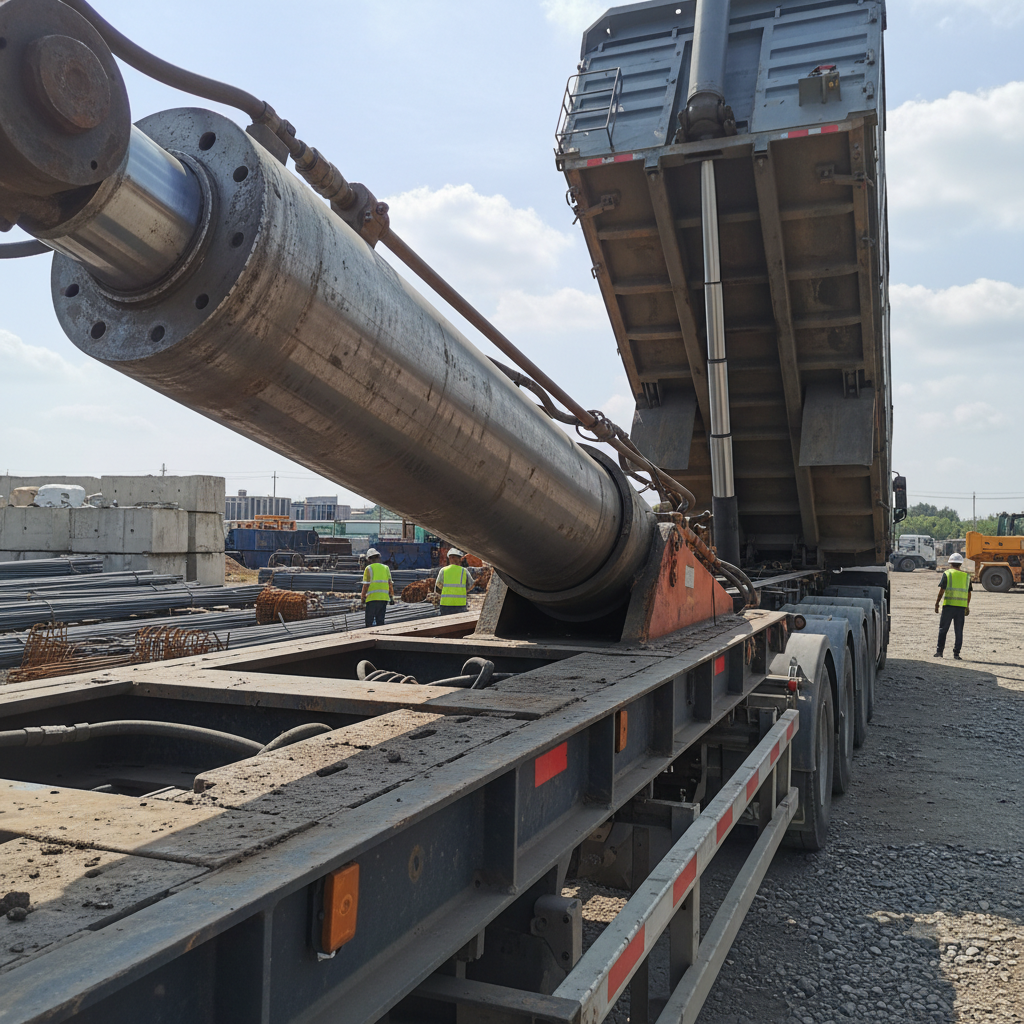
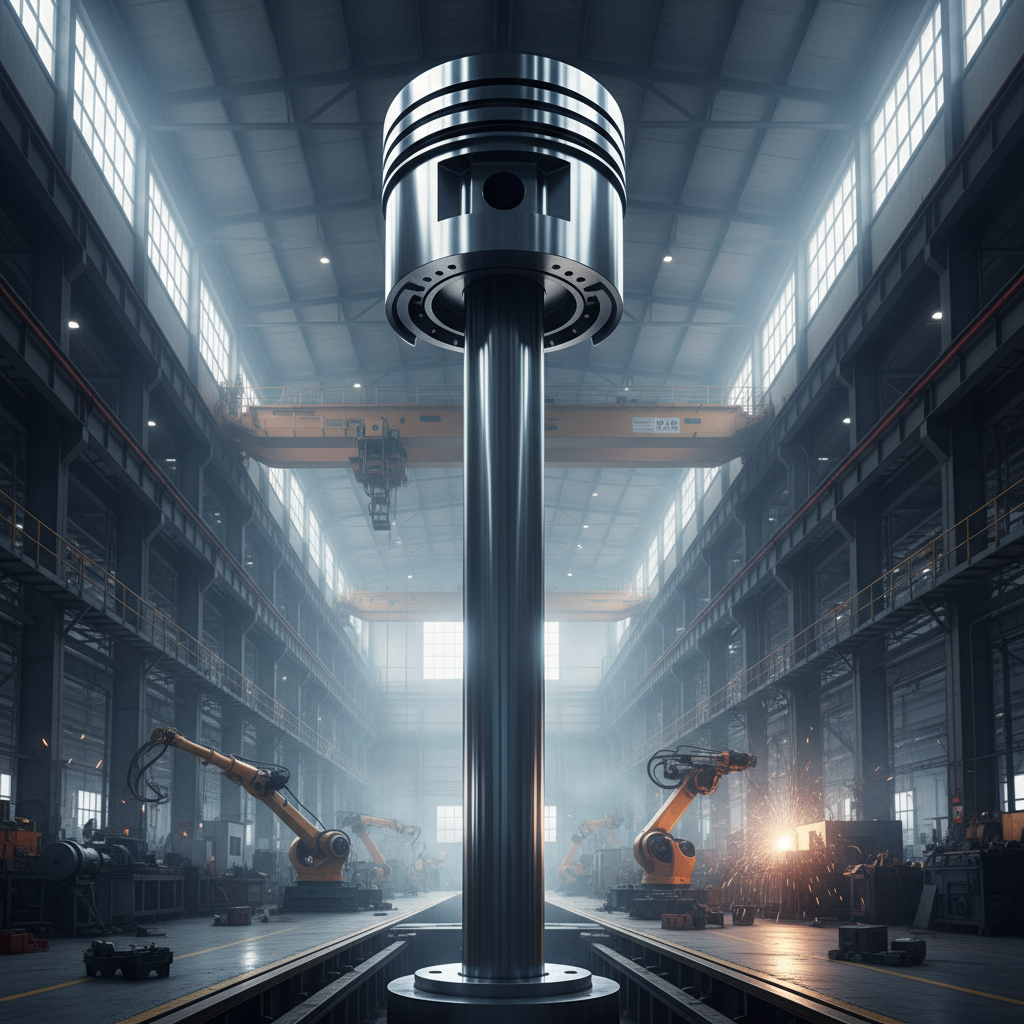
The single rod hydraulic cylinder is a fundamental component in countless industrial applications, from heavy machinery and construction equipment to agricultural vehicles and manufacturing processes. Its ability to convert hydraulic pressure into linear force makes it indispensable for tasks requiring significant power and precise control. Understanding its principles, applications, and future trends is crucial for engineers, technicians, and anyone involved in designing, maintaining, or operating hydraulic systems. This knowledge leads to increased efficiency, improved safety, and optimized performance across a wide spectrum of industries.
Globally, the demand for single rod hydraulic cylinders is closely tied to economic growth, particularly in developing nations experiencing rapid infrastructure development. According to a report by Market Research Future, the global hydraulic cylinder market is projected to reach USD 17.86 billion by 2030, growing at a CAGR of 5.2% from 2022 to 2030. This expansion is driven by the rising need for automation, the increasing demand for mobile equipment, and the ongoing expansion of the construction sector. The single rod configuration remains a dominant design due to its simplicity and cost-effectiveness.
However, the industry faces challenges related to efficiency improvements, environmental concerns regarding hydraulic fluid leakage, and the need for smarter, more integrated systems. Developing innovative solutions that address these challenges is essential for sustainable growth and continued relevance of the single rod hydraulic cylinder in the modern industrial landscape.
Introduction to Single Rod Hydraulic Cylinders
The single rod hydraulic cylinder is a ubiquitous actuator found in a vast array of applications, offering a reliable and powerful means of converting fluid pressure into linear motion. These cylinders are characterized by having a piston rod extending from only one end of the cylinder body, making them suitable for applications where a pushing force is primarily needed in one direction. They are a cornerstone of many hydraulic systems, driving everything from simple lifting mechanisms to complex machinery.
Their widespread adoption is due to their relatively simple design, which translates into lower manufacturing costs and ease of maintenance. Compared to double-rod cylinders, single rod versions typically offer a higher force output for a given cylinder size, making them ideal for applications requiring substantial power. You can find examples of quality single rod hydraulic cylinder manufacturers online.
Defining the Single Rod Hydraulic Cylinder
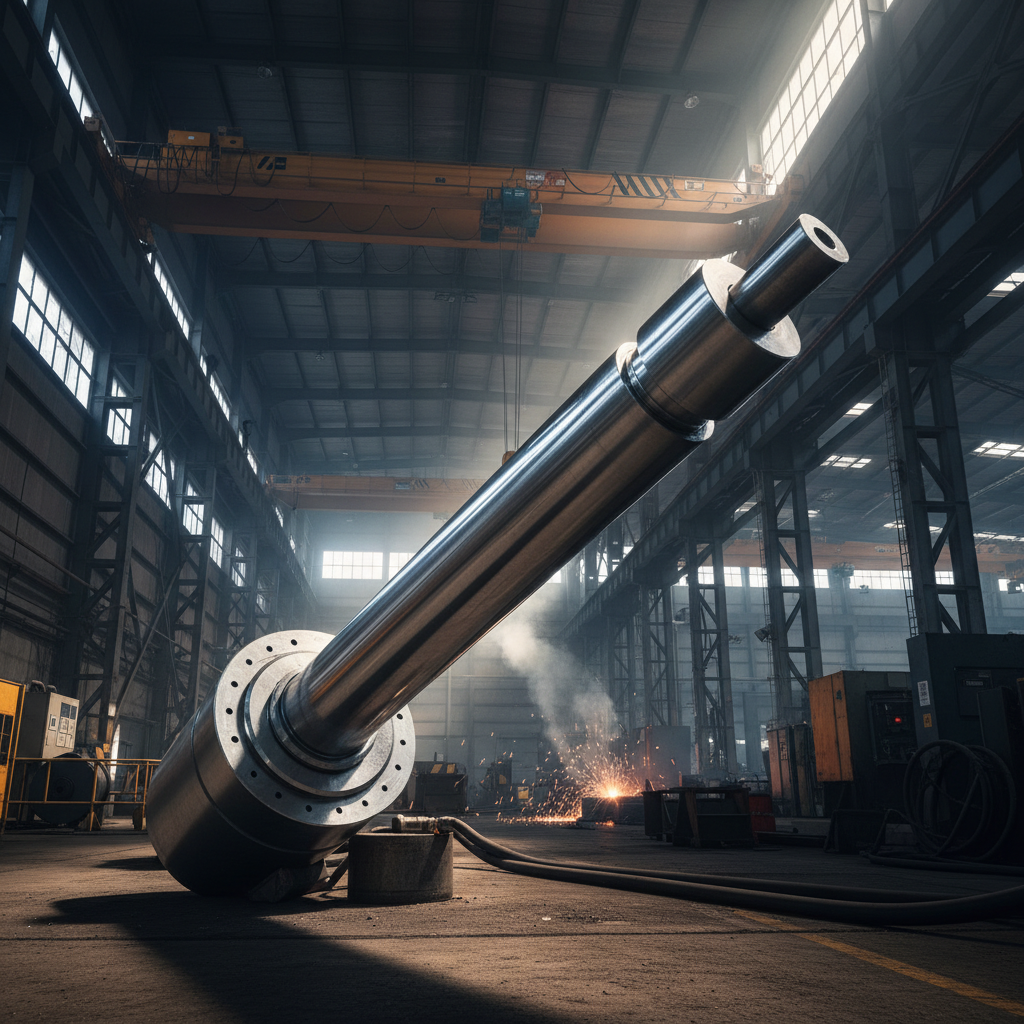
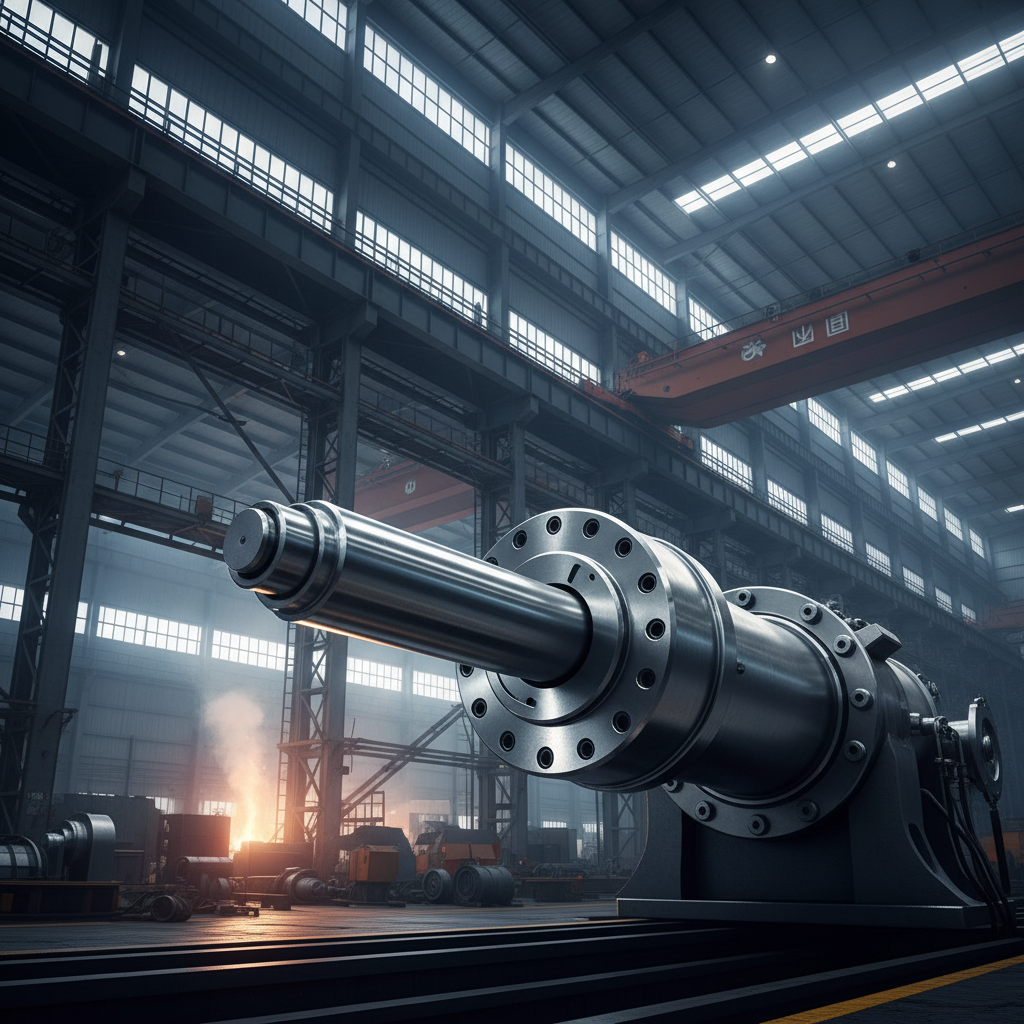
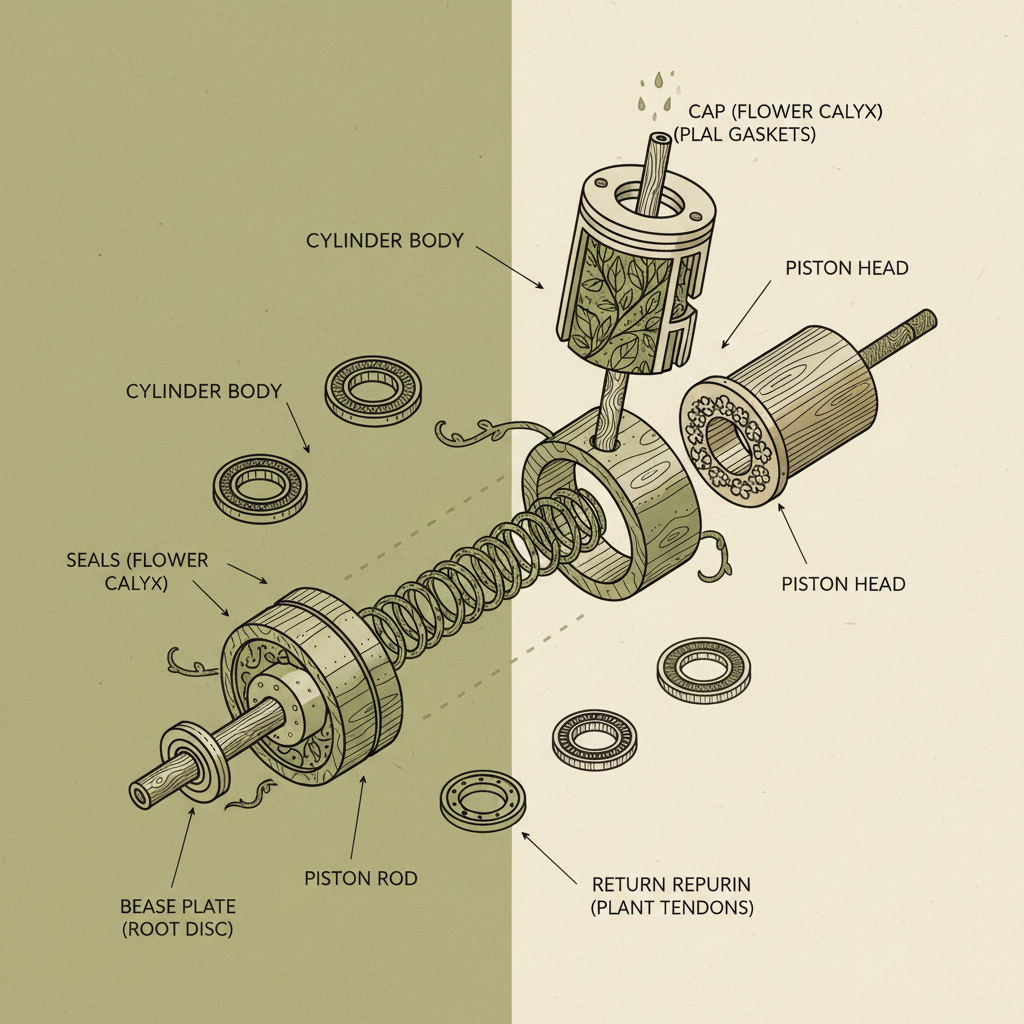
A single rod hydraulic cylinder is a mechanical device that uses pressurized hydraulic fluid to generate force and motion. It consists of a cylindrical barrel, a piston, a piston rod, and seals. Hydraulic fluid is pumped into the cylinder, applying pressure to the piston. This pressure forces the piston to move along the length of the cylinder, extending or retracting the piston rod. The single rod design distinguishes itself by having the piston rod connected to the piston at only one end of the cylinder.
This simple yet effective mechanism is essential for a multitude of tasks, including lifting, pushing, pulling, and pressing. They're often used as actuators in hydraulic systems, converting the energy of fluid flow into a useful linear force. The cylinder’s force output is directly proportional to the pressure applied and the area of the piston.
The prevalence of the single rod hydraulic cylinder stems from its versatility and its ability to fulfill essential industrial needs. It provides a robust and reliable solution for numerous applications, making it a critical component in modern manufacturing, construction, and various other sectors.
Core Characteristics of Single Rod Cylinders
Single rod hydraulic cylinders possess several key characteristics that contribute to their widespread use. First, their design allows for a relatively high force output in one direction, making them ideal for pushing or lifting applications. Second, they are generally more compact than double-rod cylinders for a given stroke length. This can be beneficial in applications where space is limited.
Furthermore, single rod cylinders are relatively simple to manufacture and maintain. The fewer components involved lead to lower production costs and easier repair procedures. Proper selection of materials and seals is crucial to ensure durability and prevent leaks, particularly in harsh operating environments. Selecting a reputable supplier like single rod hydraulic cylinder specialists is essential for long-term reliability.
Finally, the single rod design inherently creates a difference in the effective area during extension and retraction. The area available for force generation is larger during extension than during retraction, resulting in slightly different forces in each direction. This needs to be considered during system design to ensure adequate performance.
Key Performance Indicators of Single Rod Cylinders
Assessing the performance of single rod hydraulic cylinders involves analyzing several key indicators. One crucial factor is the maximum operating pressure, which determines the maximum force the cylinder can generate. Another important metric is the bore size (diameter of the cylinder), directly influencing the force output.
Stroke length, the distance the piston rod travels, is also vital, impacting the cylinder’s ability to perform specific tasks. Beyond these, seal quality, rod material, and cylinder wall thickness all contribute to the cylinder's durability and longevity.
Single Rod Hydraulic Cylinder Performance Metrics
Global Applications and Industries Served
Single rod hydraulic cylinders are integral to a vast range of industries worldwide. In construction, they power excavators, bulldozers, and cranes, enabling heavy lifting and earthmoving operations. Agricultural machinery, such as tractors and harvesters, rely on them for tasks like lifting implements and steering.
Manufacturing processes frequently utilize these cylinders for pressing, clamping, and positioning components. In the automotive industry, they're used in braking systems, steering mechanisms, and assembly lines. These cylinders also have a critical role in material handling equipment like forklifts and pallet jacks.
Advantages and Long-Term Value Proposition
The benefits of using single rod hydraulic cylinders are numerous. Their robust construction and ability to generate substantial force offer a reliable solution for demanding applications. Their comparatively lower cost compared to more complex designs makes them an economically attractive option. The simplicity of the design also translates to easier maintenance and reduced downtime.
Investing in quality single rod hydraulic cylinder models from reputable manufacturers ensures long-term value by minimizing maintenance needs and maximizing operational lifespan. This contributes to increased productivity, reduced costs, and enhanced safety in various industrial settings.
The long-term value extends beyond mere cost savings; reliable performance and reduced downtime contribute to enhanced operational efficiency and increased profitability.
Future Trends and Innovations in Cylinder Technology
The future of single rod hydraulic cylinder technology is focused on enhancing efficiency, sustainability, and integration with smart systems. Research and development are geared towards lighter materials, such as advanced alloys and composites, to reduce weight and improve performance. The development of more efficient sealing technologies is crucial for minimizing fluid leakage and environmental impact.
The integration of sensors and data analytics is enabling predictive maintenance and remote monitoring, allowing for proactive identification and resolution of potential issues. This leads to reduced downtime and optimized performance. Furthermore, the development of electro-hydraulic systems offers greater control and precision.
Furthermore, advancements in hydraulic fluid technology are focusing on biodegradable and environmentally friendly alternatives. These innovations are driving the industry toward a more sustainable and efficient future, ensuring that single rod hydraulic cylinders remain a vital component in various industrial applications.
Summary of Challenges and Solutions in Single Rod Hydraulic Cylinder Technology
| Challenge |
Impact |
Proposed Solution |
Implementation Level |
| Fluid Leakage |
Environmental contamination, reduced efficiency |
Advanced seal materials and designs |
Medium |
| Wear and Tear |
Reduced lifespan, increased maintenance |
Hardened rod coatings and improved cylinder materials |
High |
| Corrosion |
Reduced performance, structural failure |
Protective coatings and corrosion-resistant alloys |
Medium |
| Lack of Monitoring |
Unexpected failures, costly downtime |
Integrated sensor technology for real-time data |
Low |
| Inefficient Energy Use |
High operating costs, environmental impact |
Optimized hydraulic fluid viscosity and system design |
Medium |
| Limited Control Precision |
Inaccurate positioning, reduced performance |
Electro-hydraulic control systems with feedback loops |
Low |
FAQS
Single rod hydraulic cylinders are widely used in applications requiring linear force, such as construction equipment (excavators, loaders), agricultural machinery (tractors, harvesters), industrial machinery (presses, lifts), and automotive systems (brakes, steering). Their simplicity and power-to-size ratio make them a versatile choice for numerous tasks.
Selecting the appropriate cylinder size involves calculating the required force, stroke length, and operating pressure. Consider the load weight, desired speed, and the available hydraulic system pressure. Consulting with a hydraulic cylinder supplier is recommended for accurate sizing and optimal performance.
Common failure points include seal wear, rod corrosion, cylinder wall damage, and contamination of the hydraulic fluid. Regular maintenance, proper fluid filtration, and selection of appropriate materials for the operating environment can significantly extend cylinder lifespan. single rod hydraulic cylinder models designed for harsh environments are available.
Hydraulic fluid quality is paramount. Contaminated fluid can cause abrasive wear, corrosion, and seal damage, leading to cylinder failure. Using the correct type of fluid, maintaining proper filtration, and regularly monitoring fluid condition are essential for reliable operation and longevity.
Regular maintenance includes inspecting seals for leaks, checking rod condition for corrosion, monitoring fluid levels and cleanliness, and lubricating moving parts. Periodic disassembly and inspection can identify potential issues before they lead to catastrophic failures.
Yes, biodegradable hydraulic fluids are becoming increasingly available and are a sustainable alternative to traditional mineral oil-based fluids. These fluids reduce environmental impact in case of leaks or spills while maintaining comparable performance characteristics.
Conclusion
In conclusion, the single rod hydraulic cylinder remains a critical component across diverse industries, offering a robust, reliable, and cost-effective solution for generating linear force. Its simple design, high power-to-size ratio, and ease of maintenance make it an indispensable actuator in countless applications. Understanding its core principles, applications, and evolving technologies is crucial for engineers, technicians, and operators alike.
Looking ahead, innovations in materials, sealing technologies, and integrated sensing systems will further enhance the performance, efficiency, and sustainability of single rod hydraulic cylinders. Embracing these advancements will ensure that this essential technology continues to play a vital role in powering the modern world. To learn more about high-quality and reliable solutions, visit our website: www.hebeishenghan.com