In the demanding world of industrial lifting and precision machinery, the reliability of manual hydraulic systems is paramount. A high quality foot pump hydraulic cylinder serves as the backbone for numerous portable operations, blending mechanical advantage with user-centric design to provide immense force without the need for external electricity.
Understanding the engineering behind these systems is crucial for procurement managers and technicians alike. By focusing on seal integrity, material grade, and ergonomic efficiency, organizations can significantly reduce downtime and enhance operator safety in challenging environments.
Whether utilized in automotive repair, aerospace maintenance, or heavy-duty construction, the integration of a high quality foot pump hydraulic cylinder ensures that precision and power are available exactly where they are needed, regardless of the site's infrastructure.
Global Industry Context of Hydraulic Foot Pumps
The global demand for portable lifting solutions has surged as industrial operations move toward more flexible, decentralized setups. According to ISO standards for hydraulic fluid power, the precision of pressure regulation is the primary driver of safety in heavy lifting. A high quality foot pump hydraulic cylinder addresses the critical challenge of providing high-tonnage lifting capacity in locations where electrical power is unavailable or hazardous.
In emerging markets and remote industrial zones, these manual systems are not just convenient—they are essential. The ability to generate several tons of force through a simple foot-actuated mechanism allows for rapid deployment in rescue operations, field repairs, and infrastructure maintenance, bridging the gap between manual labor and fully automated hydraulic stations.
Defining the High Quality Foot Pump Hydraulic Cylinder
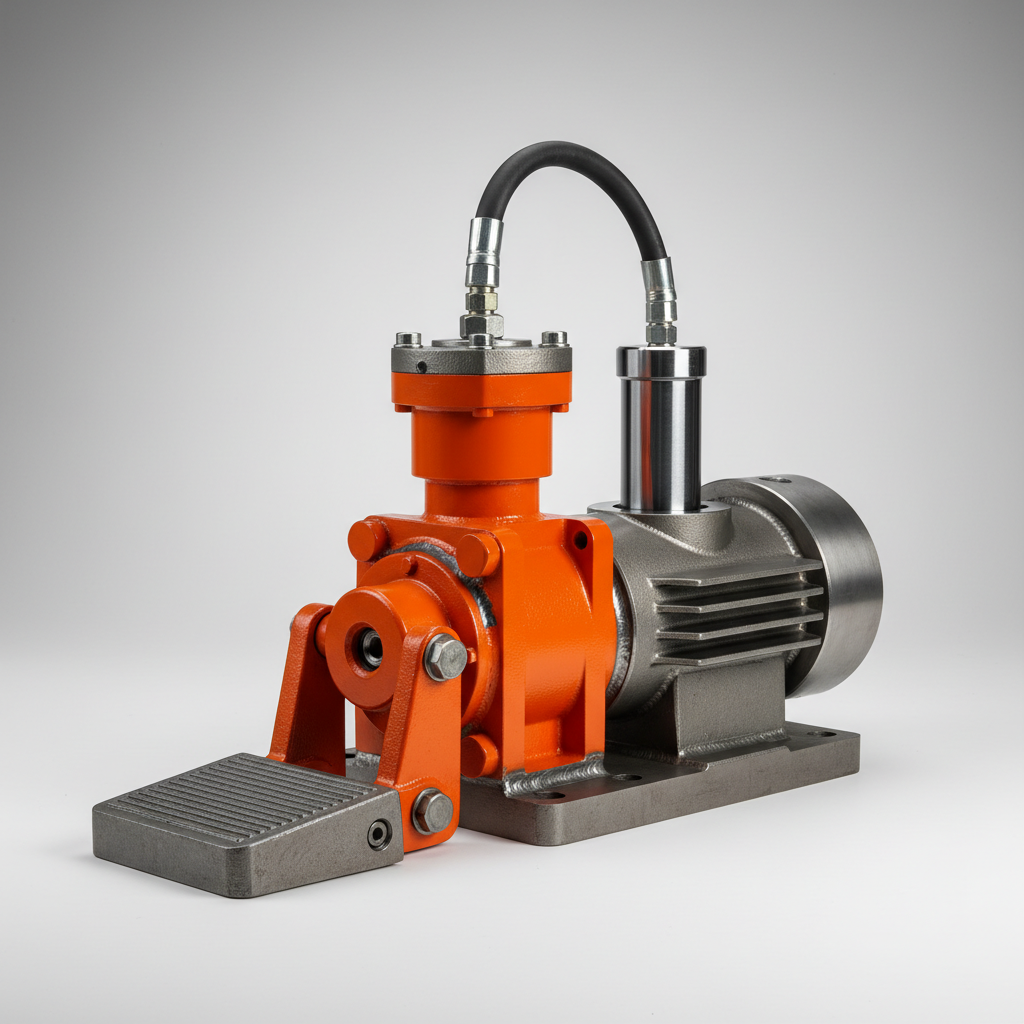
At its simplest, a high quality foot pump hydraulic cylinder is a mechanical device that uses an incompressible fluid to transmit power from a foot-operated pump to a lifting piston. Unlike hand pumps, the foot-actuated design leverages the stronger muscles of the legs, allowing the operator to maintain better balance and exert more force with less upper-body fatigue.
From a technical standpoint, "high quality" refers to the synchronization of three critical elements: the pump's volumetric efficiency, the cylinder's wall thickness to prevent deformation under peak load, and the seal's ability to prevent oil leakage. This synergy ensures that the system can hold a load indefinitely without "drifting," which is a common failure in lower-grade alternatives.
In the context of modern industry, these cylinders are vital for humanitarian needs, such as removing debris after natural disasters or stabilizing damaged structures. The autonomy of a foot-pump system means that first responders can operate without relying on a fragile power grid, making it a cornerstone of emergency response equipment globally.
Core Components for Maximum Durability
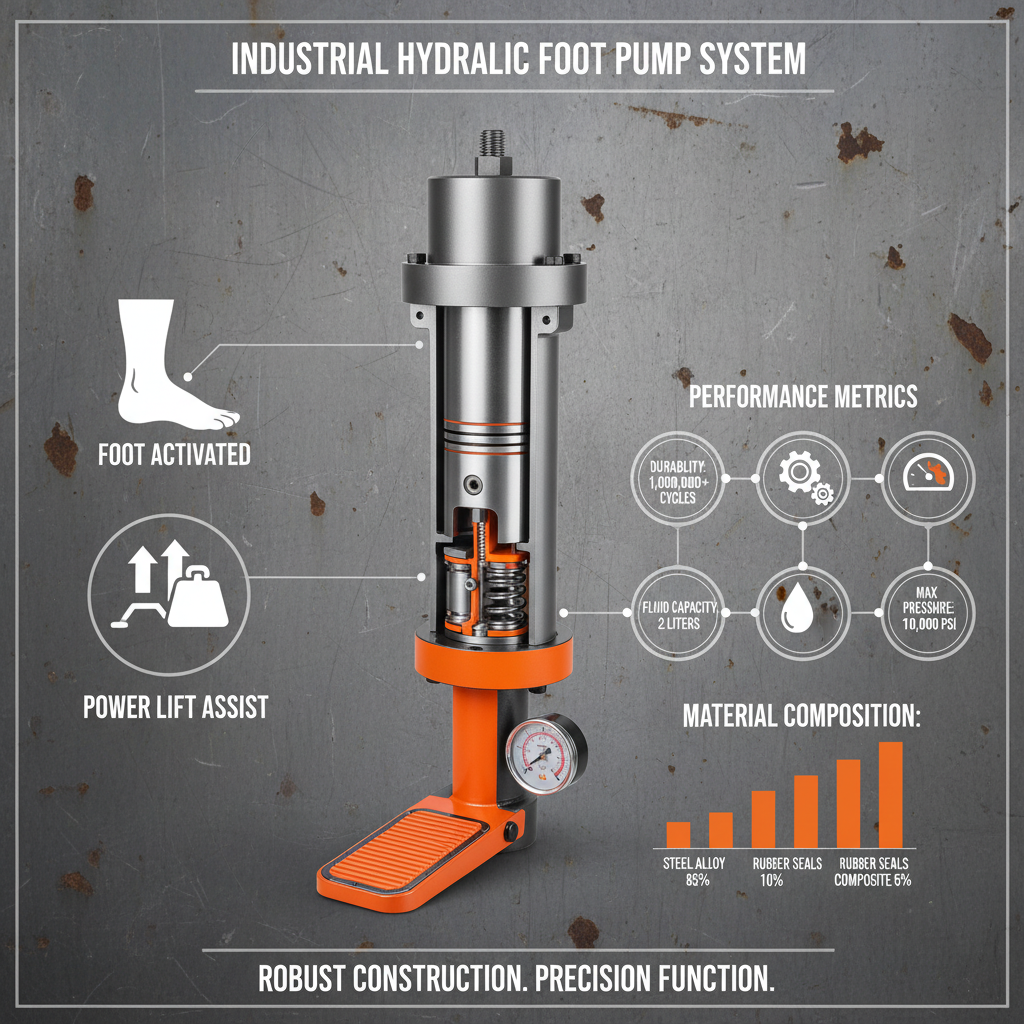
The longevity of a high quality foot pump hydraulic cylinder begins with the selection of raw materials. High-carbon alloy steel is typically used for the cylinder barrel, which is then honed to a mirror finish to minimize friction and wear on the internal seals.
Central to its operation is the valve system. A high quality foot pump hydraulic cylinder employs a precision-ground check valve that prevents backflow, ensuring that every stroke of the pedal contributes to the lifting force. This prevents the "spongy" feel often found in cheap pumps and ensures a linear, predictable ascent of the load.
Finally, the sealing technology—often utilizing polyurethane or Viton—is what separates professional gear from consumer-grade tools. These materials are resistant to chemical degradation and extreme temperature swings, ensuring the system remains leak-free even after years of intermittent use in harsh industrial environments.
Performance Metrics and Efficiency Analysis
When evaluating a high quality foot pump hydraulic cylinder, engineers look at the ratio of input effort to output force. The efficiency of the pump determines how many strokes are required to reach full extension, which directly impacts operator productivity and fatigue levels during long shifts.
Furthermore, the stability of the pressure hold is a non-negotiable metric. A professional-grade cylinder must maintain 99.9% of its pressure over a 24-hour period to ensure the safety of personnel working beneath a lifted load.
Efficiency Comparison of Foot Pump Hydraulic Cylinder Variations
Global Applications and Use Cases
In the automotive and aviation sectors, a high quality foot pump hydraulic cylinder is indispensable for landing gear maintenance and heavy chassis lifting. The ability to precisely control the lift height via a foot pedal allows technicians to keep both hands free for stabilizing the component, significantly reducing the risk of accidental slips.
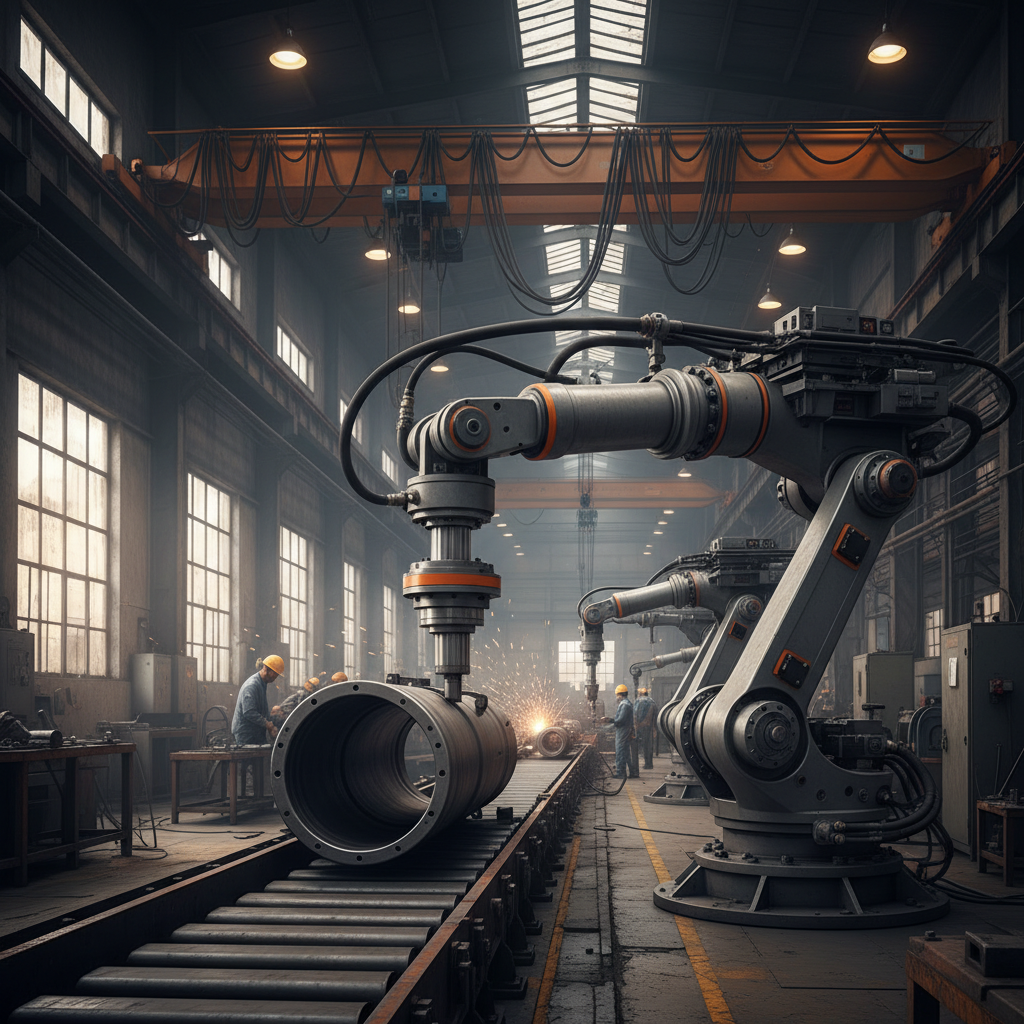
Beyond the workshop, these systems are widely deployed in remote mining operations across South America and Australia. In these environments, where dust and grit are omnipresent, the sealed nature of a premium foot pump ensures that contaminants do not enter the hydraulic circuit, preserving the system's integrity and extending the service interval.
Long-Term Value and Safety Advantages
Investing in a high quality foot pump hydraulic cylinder provides tangible economic benefits through the reduction of maintenance costs. While the initial capital expenditure may be higher than generic options, the extended lifespan and reduced need for seal replacements result in a lower total cost of ownership (TCO).
From a safety perspective, the psychological peace of mind is invaluable. Knowing that the equipment meets rigorous pressure testing standards prevents catastrophic failures that could lead to workplace injuries. This reliability fosters a culture of trust and confidence among the workforce, which is essential for high-risk industrial tasks.
Moreover, the sustainability angle cannot be ignored. High-quality systems are designed for repairability rather than replacement. By allowing the replacement of individual O-rings and valves, these cylinders reduce industrial waste and align with global green manufacturing initiatives.
Future Trends in Hydraulic Innovation
The future of the high quality foot pump hydraulic cylinder is leaning toward the integration of composite materials. Carbon-fiber reinforced polymers are being tested for the cylinder barrels to reduce the overall weight of the unit without compromising the burst pressure, making them even more portable for field use.
We are also seeing a trend toward "smart hydraulics," where integrated pressure sensors can provide real-time feedback to the operator via a digital gauge. This prevents overloading and allows for precise load-leveling, which is critical in delicate stabilization tasks.
Additionally, the shift toward biodegradable hydraulic fluids is becoming a standard. Modern high-quality cylinders are being engineered with seal materials that are fully compatible with eco-friendly oils, ensuring that any accidental leaks do not contaminate the soil or groundwater.
Technical Specifications and Material Analysis for High-End Cylinders
| Material Component |
Standard Grade |
High Quality Grade |
Performance Impact |
| Cylinder Barrel |
Mild Steel |
40Cr Alloy Steel |
Higher Burst Pressure |
| Seal Material |
NBR Rubber |
Polyurethane/Viton |
Zero-Leakage Longevity |
| Pump Valve |
Cast Iron |
Hardened Tool Steel |
Precision Flow Control |
| Surface Finish |
Painted |
Chrome Plated/Honed |
Reduced Friction/Wear |
| Load Stability |
Moderate Drift |
High Stability |
Enhanced Operator Safety |
| Service Life |
1-2 Years |
5-10 Years |
Reduced TCO |
FAQS
The primary difference lies in the ergonomic power source and the build quality. A high quality foot pump hydraulic cylinder allows the operator to use their leg muscles, which are significantly stronger than arm muscles, reducing fatigue. Qualitatively, it features superior sealing, higher-grade alloy steel, and precision-ground valves that ensure a smoother lift and zero pressure drift, which are often compromised in budget hand-pump models.
For industrial use, we recommend a visual inspection every month and a full seal check every six months. Ensure that the hydraulic oil is clean and topped up to the correct level. Because high-quality systems use premium seals, they require less frequent replacement, but lubricating the pivot points of the foot pedal will extend the overall mechanical life of the unit.
Yes, provided they are built with high-quality materials. Premium cylinders utilize Viton or advanced polyurethane seals that remain flexible in freezing temperatures and do not degrade in intense heat. We suggest using a low-viscosity hydraulic oil for winter operations to ensure the pump maintains its volumetric efficiency.
While high-quality cylinders are built with a safety factor (often 1.5x to 2x the rated capacity), overloading is still possible. Professional units typically include a built-in pressure relief valve that prevents the cylinder from extending if the load exceeds the maximum rated tonnage, protecting both the equipment and the operator from catastrophic failure.
The most obvious sign is "drifting," where the load slowly descends even when the valve is closed. Other indicators include visible oil weeping around the piston rod or a "spongy" feel when pumping the pedal, which suggests air has entered the system due to a compromised seal. Prompt replacement is essential to maintain safety and efficiency.
Absolutely. A high quality foot pump hydraulic cylinder is designed specifically for versatility. Its portability makes it ideal for site stabilization, bridge repair, and heavy machinery alignment where a fixed hydraulic power pack is impractical. Their robust construction allows them to withstand the vibration and grit typical of construction sites.
Conclusion
In summary, the selection of a high quality foot pump hydraulic cylinder is not merely a purchase of a tool, but an investment in operational safety and long-term efficiency. By prioritizing material integrity, seal precision, and ergonomic design, industrial operators can ensure that they have the power and reliability needed to handle the most demanding lifting tasks without compromise.
Looking forward, as we embrace more sustainable and "smart" manufacturing practices, the evolution of these manual systems will continue to blend traditional mechanical power with modern material science. We encourage businesses to audit their current lifting equipment and upgrade to professional-grade hydraulic solutions to minimize risk and maximize productivity. Visit our website: www.hebeishenghan.com