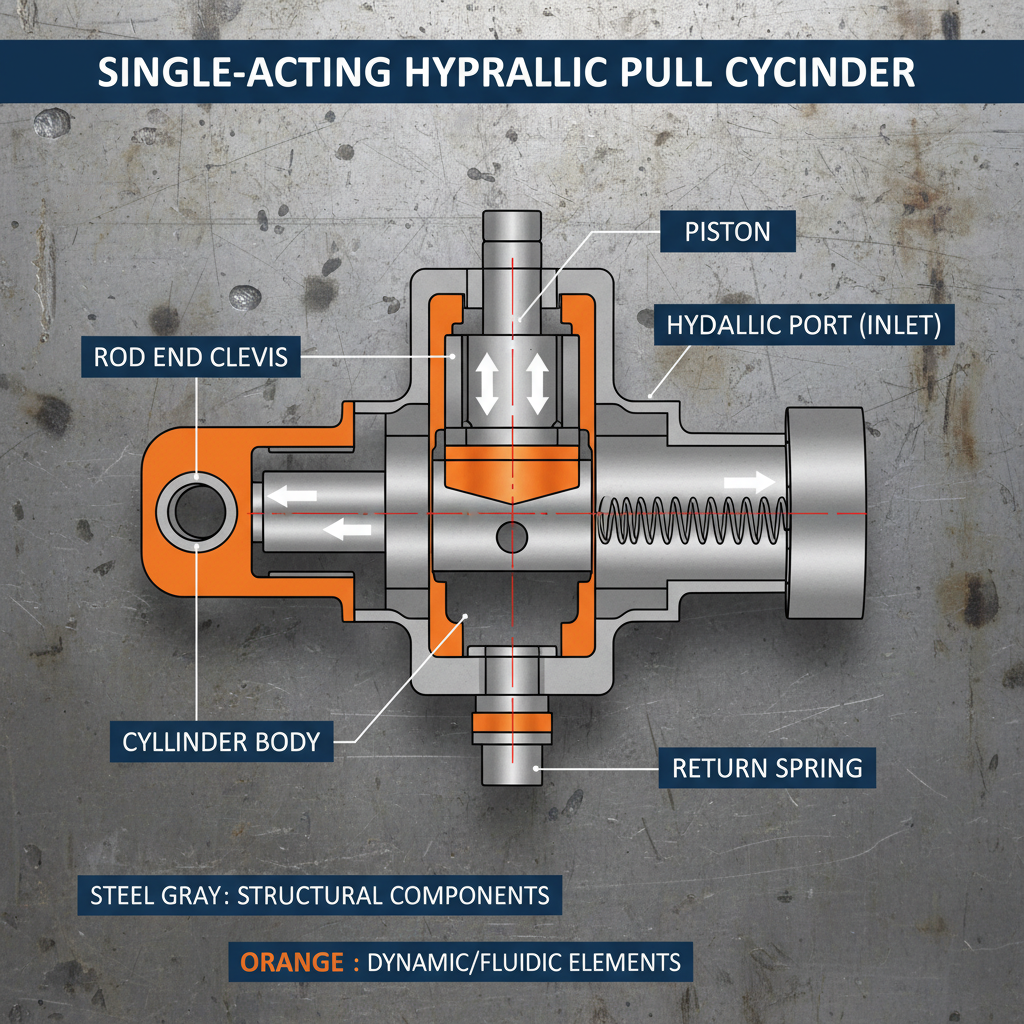
In the realm of high-precision motion control, the implementation of a high quality hydraulic servo cylinder represents the pinnacle of fluid power engineering. These sophisticated actuators are not merely components but the critical interface between digital control systems and physical force, enabling sub-millimeter precision in environments where immense power is required. For industries ranging from aerospace to heavy machinery, the ability to command exact positioning and force feedback is the difference between operational excellence and systemic failure.
Globally, the shift toward Industry 4.0 has accelerated the demand for actuators that can integrate seamlessly with electronic controllers. A high quality hydraulic servo cylinder addresses the historical limitations of traditional hydraulics—such as "stick-slip" friction and imprecise positioning—by utilizing advanced sealing technology and integrated linear transducers. This evolution allows for dynamic response times and repeatability that were previously only achievable through expensive electric linear motors, but with the unmatched power density of hydraulic oil.
Understanding the nuances of these systems is essential for engineers aiming to optimize throughput and reduce downtime. By prioritizing components that meet stringent E-E-A-T (Experience, Expertise, Authoritativeness, and Trustworthiness) standards, manufacturers can ensure their systems are sustainable, safe, and capable of evolving with the next generation of automation. This comprehensive guide explores the technical architecture, global applications, and future trajectories of high-performance servo-hydraulic actuation.
Global Industry Context of High Quality Hydraulic Servo Cylinders
The global manufacturing landscape is currently undergoing a massive transition toward precision automation. According to ISO standards for fluid power, the integration of a high quality hydraulic servo cylinder is becoming the standard for systems requiring high force-to-weight ratios combined with dynamic control. In sectors like CNC machining and flight simulation, the ability to manage loads of several hundred tons with micron-level accuracy is no longer a luxury but a competitive necessity.
However, the industry faces a significant challenge: the "precision gap." Many legacy hydraulic systems suffer from hysteresis and internal leakage, which lead to energy waste and positioning errors. By adopting servo-cylinder technology, global enterprises are mitigating these risks, ensuring that heavy-duty machinery can operate with the finesse of a surgical instrument, thereby reducing material scrap and increasing overall equipment effectiveness (OEE).
Defining the Technical Essence of Servo-Hydraulic Actuation
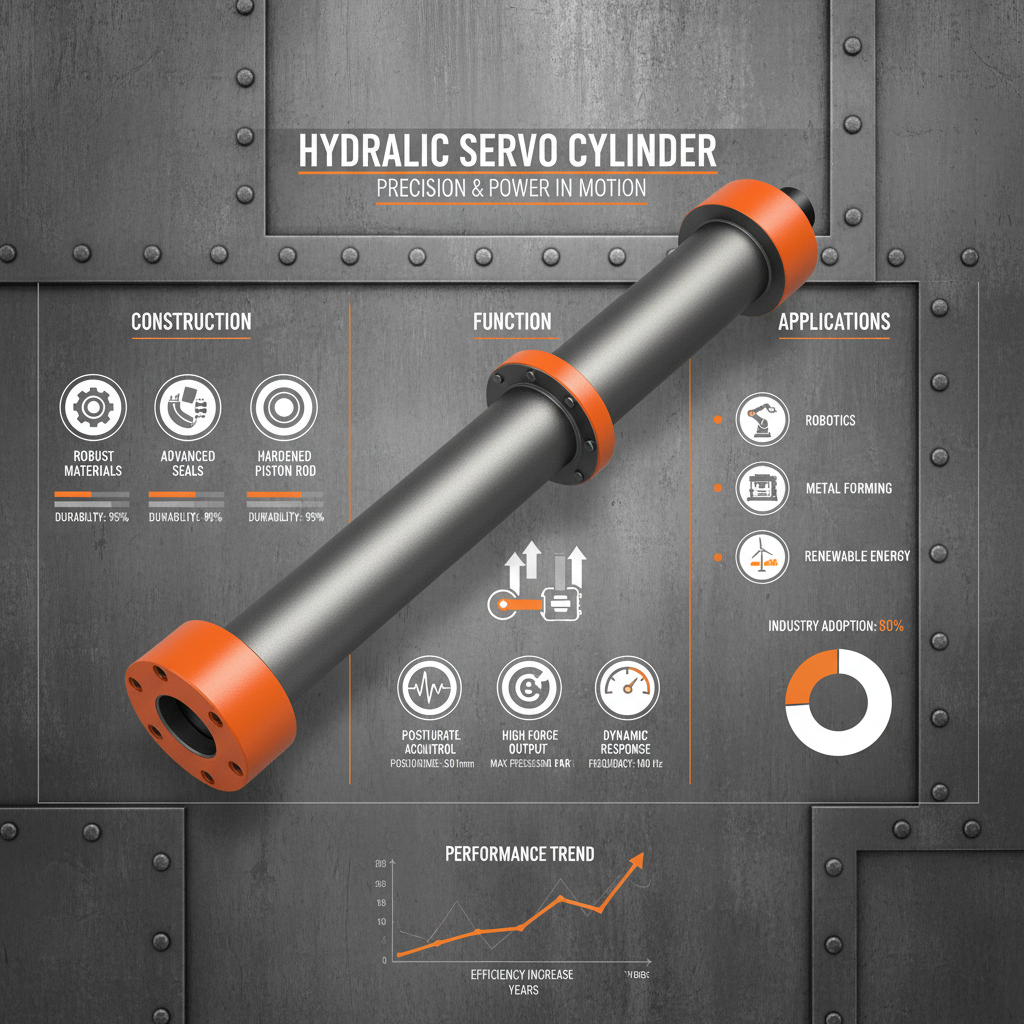
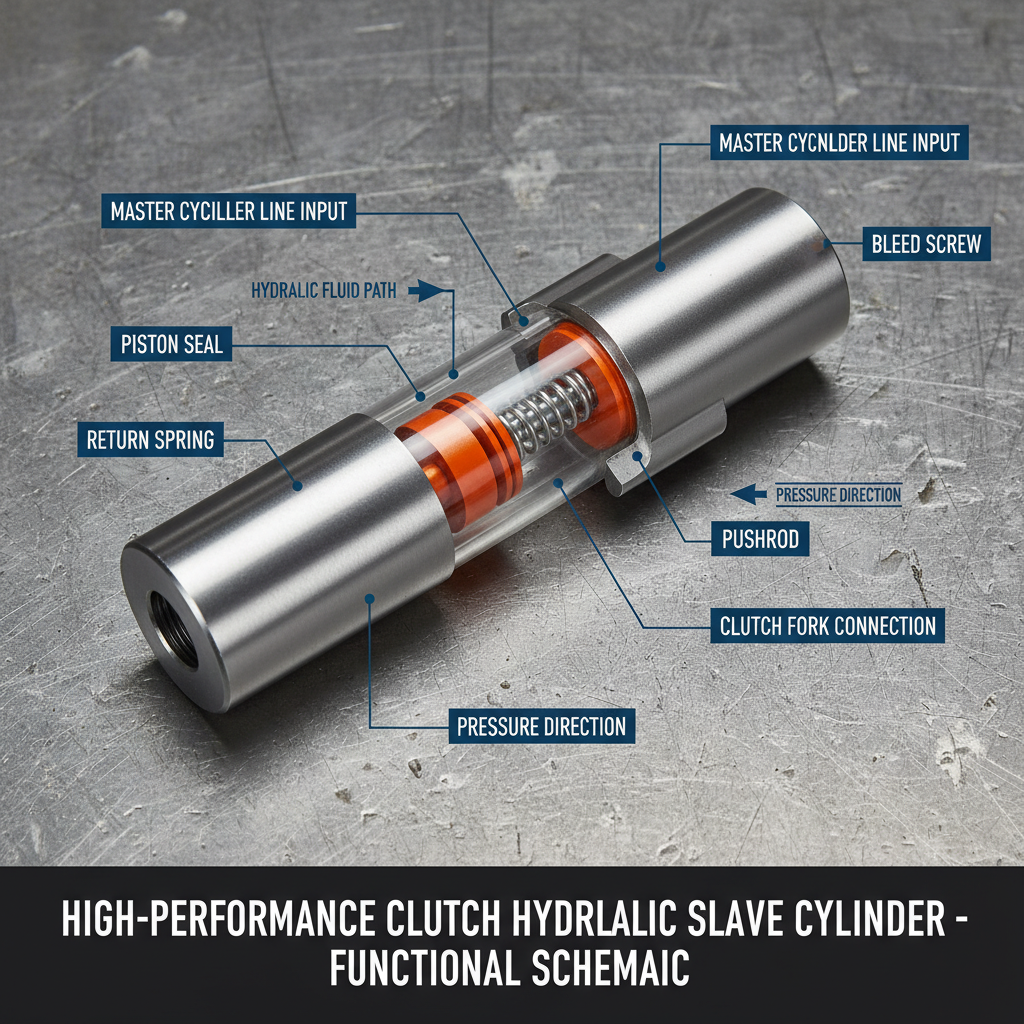
At its core, a high quality hydraulic servo cylinder is a closed-loop actuator that integrates a hydraulic cylinder with a high-resolution position feedback sensor. Unlike standard cylinders that move from point A to point B based on a simple valve trigger, a servo cylinder constantly communicates its exact position back to a controller. This creates a continuous loop of adjustment, allowing the system to compensate for external load changes in real-time.
From a technical standpoint, this synergy between fluid power and electronic feedback solves the problem of non-linear behavior. By utilizing low-friction seals and honed internal bores, these cylinders minimize the "break-away" force required to start movement, which is essential for achieving smooth, continuous motion. This makes them indispensable for humanitarian and industrial needs, such as in high-precision medical imaging tables or seismic testing rigs.
Furthermore, the "high quality" designation refers to the strict adherence to tolerances. A premium servo cylinder utilizes specialized alloys and surface treatments (such as chrome plating or ceramic coating) to prevent wear and corrosion. This ensures that the internal leakage remains negligible over millions of cycles, maintaining the integrity of the servo-loop and preventing "drift" during static holding phases.
Core Components Driving Precision and Reliability
The durability of a high quality hydraulic servo cylinder starts with its material selection. High-strength forged steel is typically used for the cylinder head and base to withstand extreme pressure spikes without deformation. This structural rigidity ensures that the piston rod remains perfectly coaxial, eliminating side-loading that could otherwise lead to premature seal failure.
Central to its precision is the feedback mechanism, usually a magnetostrictive linear transducer. This sensor is embedded within the cylinder wall, protecting it from the harsh external environment while providing a non-contact measurement of the piston's position. When paired with a high-response servo valve, the high quality hydraulic servo cylinder can achieve frequency responses that allow for rapid oscillation and precise damping.
Cost efficiency in the long run is achieved through the integration of advanced sealing systems. By utilizing PTFE-based seals with low coefficients of friction, manufacturers reduce the "stiction" effect. This not only improves the accuracy of small movements but also reduces the heat generation within the hydraulic oil, extending the life of the entire power unit and reducing the frequency of oil changes.
Performance Benchmarks and Efficiency Metrics
Evaluating the effectiveness of a servo system requires looking beyond simple load capacity. We must analyze the dynamic response, the steady-state error, and the energy efficiency of the high quality hydraulic servo cylinder. A superior system will exhibit minimal overshoot when approaching a target position and a rapid settling time, which directly translates to faster cycle times in a production environment.
Moreover, the energy footprint of hydraulic systems is often criticized. However, by utilizing servo-driven pumps in conjunction with high-efficiency cylinders, the system only consumes power when movement is required, rather than maintaining constant high pressure. This shift toward "power-on-demand" is a cornerstone of modern green manufacturing.
Performance Comparison of Servo-Hydraulic Actuation Methods
Global Applications and Real-World Use Cases
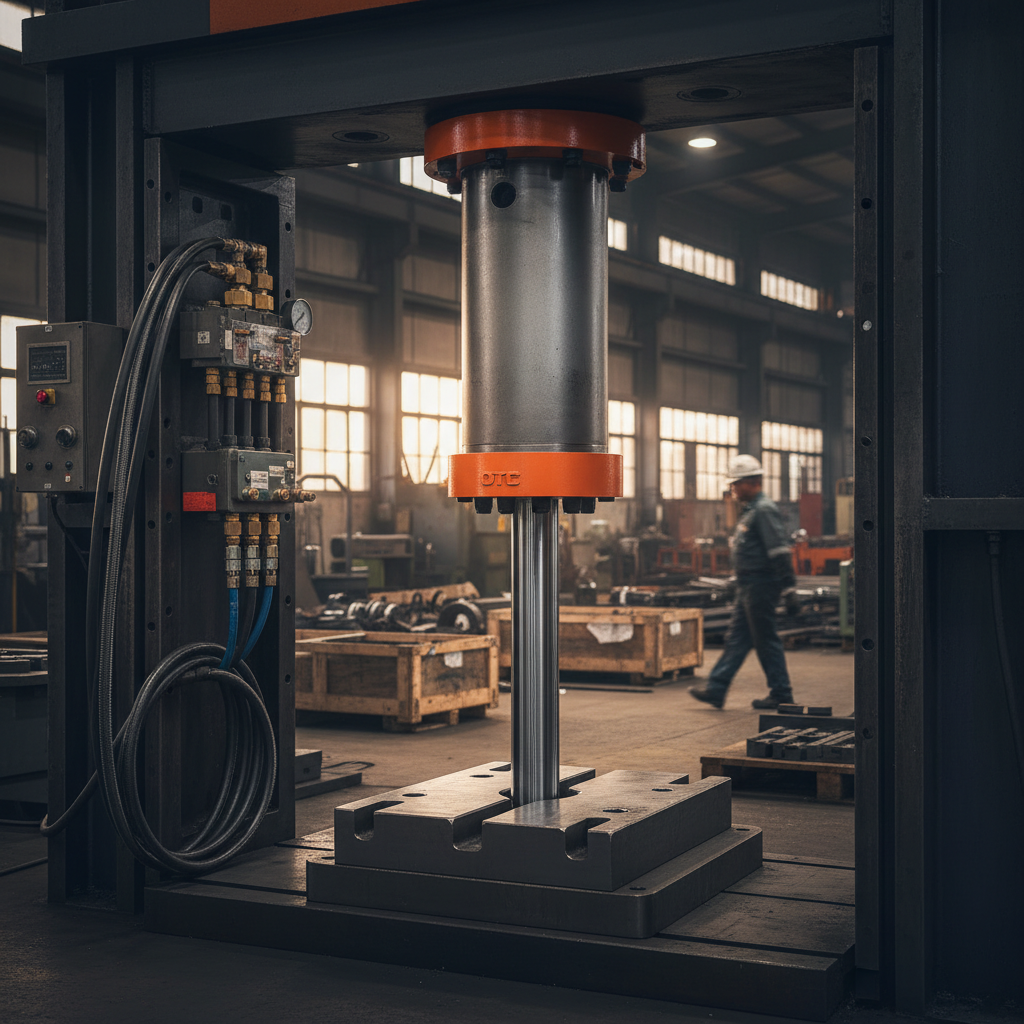
The versatility of the high quality hydraulic servo cylinder is evident in its diverse application across continents. In Europe's advanced automotive assembly lines, these cylinders are used for precision press-fitting and robotic welding alignment, where a deviation of 0.1mm could result in a defective vehicle chassis. In North America, they are critical for aerospace testing, specifically in simulating flight loads on wing structures to ensure safety and airworthiness.
Beyond industrial hubs, these systems play a vital role in specialized infrastructure. For instance, in remote industrial zones or offshore oil platforms, servo cylinders are used in active heave compensation systems. These systems counteract the movement of waves to keep heavy equipment stable during deployment to the ocean floor, providing a level of safety and precision that prevents catastrophic environmental spills and protects human life.
Long-Term Value and Operational Advantages
Investing in a high quality hydraulic servo cylinder provides tangible economic benefits through the reduction of Total Cost of Ownership (TCO). While the initial capital expenditure may be higher than a standard cylinder, the drastic reduction in maintenance intervals and the elimination of manual calibration significantly lower operating costs. Reliability in these systems translates to trust; operators can run machines at peak capacity knowing the actuator will not drift or fail under load.
From a sustainability perspective, the precision of servo control reduces energy waste. By eliminating the need for constant bypass flow—common in traditional hydraulic systems—servo cylinders contribute to a lower carbon footprint. This aligns with global ESG (Environmental, Social, and Governance) goals, making the technology an attractive choice for companies seeking green certifications.
Ultimately, the emotional value lies in the peace of mind provided by safety. In applications such as heavy-lift elevators or medical surgery robots, the absolute reliability of the positioning system is a matter of dignity and human safety. The innovation inherent in servo-hydraulics ensures that as industries push the boundaries of what is possible, the hardware can keep pace without compromising on stability.
Future Trends in Smart Hydraulic Actuation
The future of the high quality hydraulic servo cylinder is inextricably linked to the Digital Twin concept. We are moving toward an era where every cylinder has a virtual counterpart that predicts wear and tear based on real-time sensor data. This "predictive maintenance" model allows companies to replace seals or valves just before they fail, completely eliminating unplanned downtime.
Furthermore, the integration of AI-driven control algorithms is revolutionizing how these actuators behave. Machine learning can now be used to "teach" a servo cylinder how to compensate for specific non-linearities in a unique mechanical setup, effectively optimizing the system's performance without requiring manual PID tuning by an engineer. This democratization of precision makes high-end hydraulics accessible to a wider range of small and medium enterprises.
Lastly, we are seeing a trend toward "bio-degradable" hydraulic fluids and additive manufacturing for cylinder components. 3D-printed internal manifolds can reduce turbulence and pressure drops, further increasing the efficiency of the servo loop. As these technologies converge, the servo cylinder will evolve from a passive component into an intelligent, self-optimizing node within the industrial Internet of Things (IIoT).
Technical Specification and Performance Analysis of Modern Servo Cylinders
| Cylinder Grade |
Positioning Accuracy |
Dynamic Response Time |
Expected Service Life |
| Ultra-Precision Servo |
< 0.01 mm |
< 10 ms |
10+ Million Cycles |
| Industrial High-End |
0.05 mm |
20-50 ms |
7-8 Million Cycles |
| Heavy-Duty Servo |
0.1 mm |
50-100 ms |
5 Million Cycles |
| Standard Servo |
0.5 mm |
100-200 ms |
3 Million Cycles |
| Entry-Level Servo |
1.0 mm |
> 200 ms |
2 Million Cycles |
| Custom Hybrid |
0.02 mm |
15-30 ms |
6 Million Cycles |
FAQS
A high quality hydraulic servo cylinder is distinguished by its integration of high-resolution position feedback (typically a linear transducer) and the use of low-friction, high-precision seals. While standard cylinders simply move between stops, high-quality servo versions allow for precise mid-stroke positioning, minimal hysteresis, and extremely low internal leakage, which is critical for maintaining stability in closed-loop control systems.
Response time refers to how quickly the cylinder reaches a commanded position. In high-speed manufacturing, reducing response time from 100ms to 10ms can significantly decrease the cycle time of a machine. This allows for more parts per hour and reduces the "settling time" where a machine must wait for vibrations to stop before performing the next operation, directly increasing OEE.
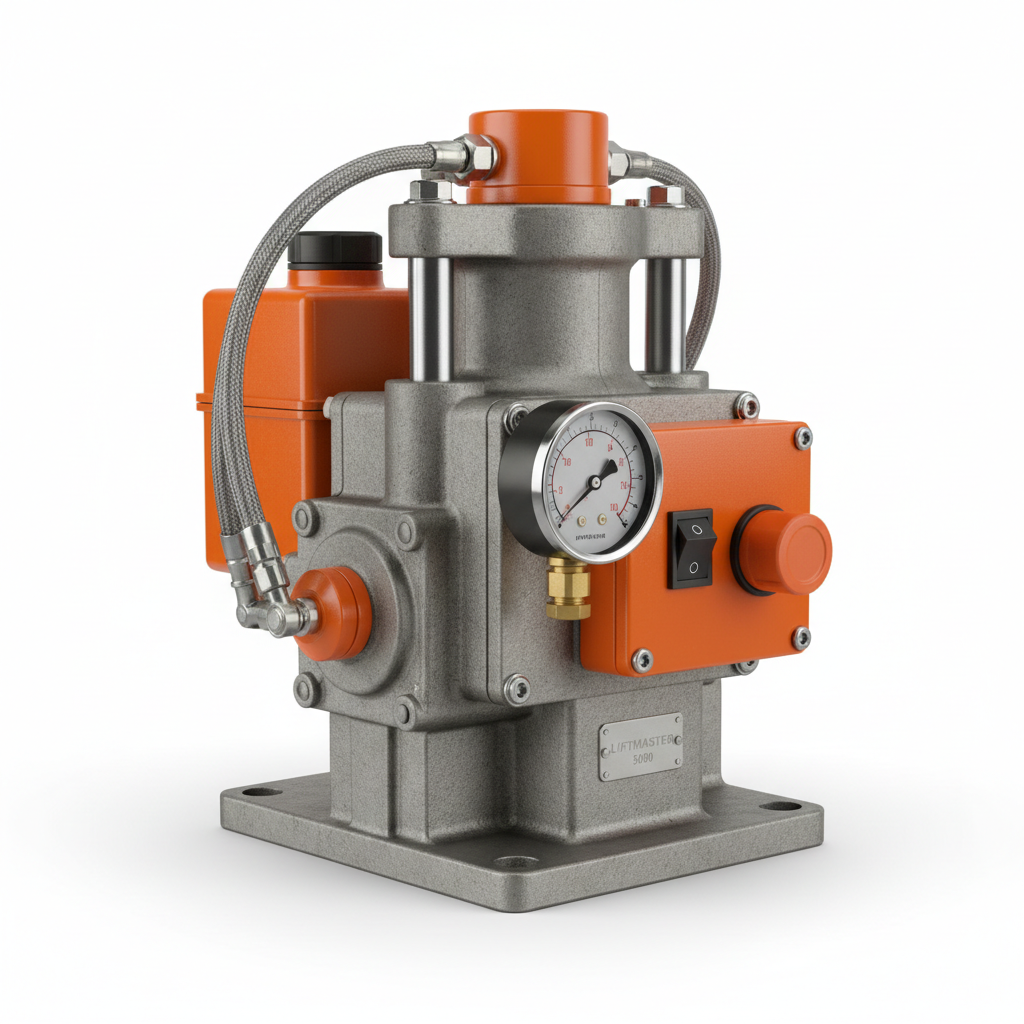
Yes, but with caveats. While they can use standard HPUs, a high quality hydraulic servo cylinder requires clean, filtered oil (typically ISO 4406 16/14/11 or better) to prevent the servo valves from clogging. Additionally, the HPU must be capable of providing a stable pressure supply to avoid "pressure ripples" that could interfere with the precision of the servo-loop.
Absolutely. High-quality servo cylinders are often customized with specialized materials such as stainless steel for corrosion resistance or Viton seals for high-temperature applications. For deep-sea use, they are designed with pressure-compensation systems to ensure that the external ambient pressure doesn't collapse the seals or interfere with the piston's movement.
Maintenance focuses primarily on oil purity and seal integrity. We recommend a monthly check of the oil filtration system and a quarterly audit of the position sensor's calibration. Because a high quality hydraulic servo cylinder is designed for longevity, major overhauls (seal replacement) typically only occur every few million cycles, depending on the duty cycle and environmental harshness.
While you can add an external sensor, a true "retrofit" to a high-quality servo level usually requires replacing the cylinder. This is because servo-grade cylinders have specialized internal bores and low-friction seals that are not found in standard cylinders. To achieve true servo precision, the mechanical hardware must be designed specifically to support the low-friction requirements of closed-loop control.
Conclusion
The integration of a high quality hydraulic servo cylinder is more than a hardware upgrade; it is a strategic investment in precision, reliability, and efficiency. By bridging the gap between raw hydraulic power and digital precision, these actuators enable industries to achieve unprecedented levels of accuracy while maintaining the robustness required for heavy-duty operations. From reducing waste and energy consumption to ensuring the highest safety standards in critical applications, the value of high-performance servo-hydraulics is undeniable.
Looking forward, the convergence of AI, IIoT, and advanced materials will continue to push the boundaries of what is possible in motion control. We encourage engineers and procurement specialists to move beyond basic specifications and consider the long-term lifecycle benefits of premium servo solutions. To explore how our cutting-edge actuation technology can optimize your production line, visit our website: www.hebeishenghan.com.