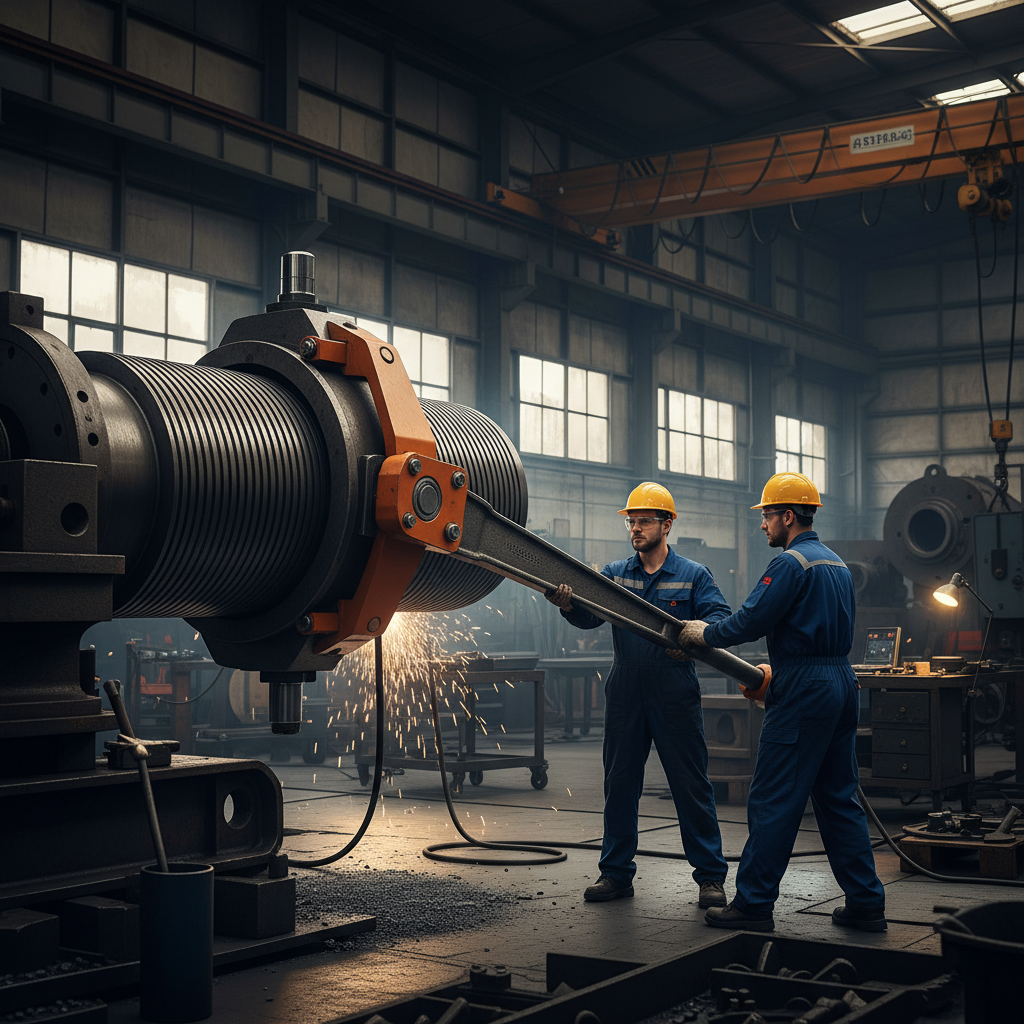
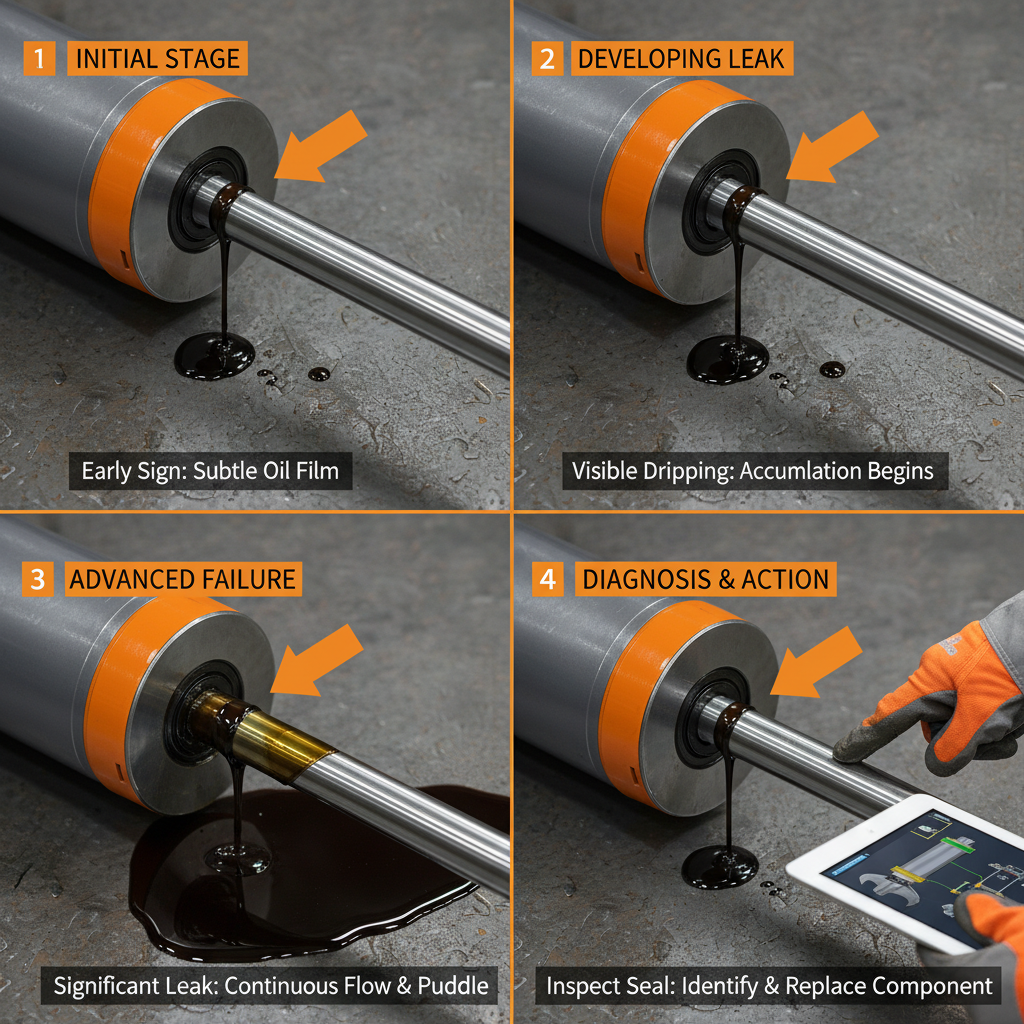
In the demanding world of heavy machinery maintenance, the availability of a high quality hydraulic cylinder wrench is not just a matter of convenience, but a critical requirement for operational safety and efficiency. These specialized tools are engineered to handle the immense torque required to disassemble and assemble industrial oil cylinders, ensuring that seals remain intact and threads are not compromised during high-pressure service.
Globally, the shift toward larger, more powerful hydraulic systems in construction and mining has increased the reliance on precision tooling. Without a professional-grade wrench, technicians often resort to improvised methods that can lead to equipment deformation or catastrophic workplace accidents, highlighting the urgent need for standardized, high-strength tooling solutions.
Understanding the nuances of these tools—from the metallurgy of the wrench head to the ergonomic design of the handle—allows companies to reduce downtime and extend the lifecycle of their power components. By investing in the right equipment, operators can transform a grueling manual process into a streamlined, safe, and predictable maintenance routine.
The Global Industrial Significance of High Quality Hydraulic Cylinder Wrenches
Across the global manufacturing landscape, the maintenance of hydraulic power systems is a multi-billion dollar necessity. According to ISO standards for mechanical tooling, the precision of the wrench used during the assembly of oil cylinders directly correlates to the leak-rate and operational lifespan of the machine. A high quality hydraulic cylinder wrench ensures that the clamping force is distributed evenly, preventing the microscopic warping of cylinder heads that often leads to premature seal failure.
The challenge facing many industries today is the "maintenance gap"—where the sophistication of the hydraulic cylinder exceeds the capability of the tools used to service it. When low-grade tools are used, the risk of rounding off nuts or stripping threads increases exponentially, leading to expensive replacements and prolonged system outages that can cost thousands of dollars per hour in lost productivity.
Defining the High Quality Hydraulic Cylinder Wrench in Modern Engineering
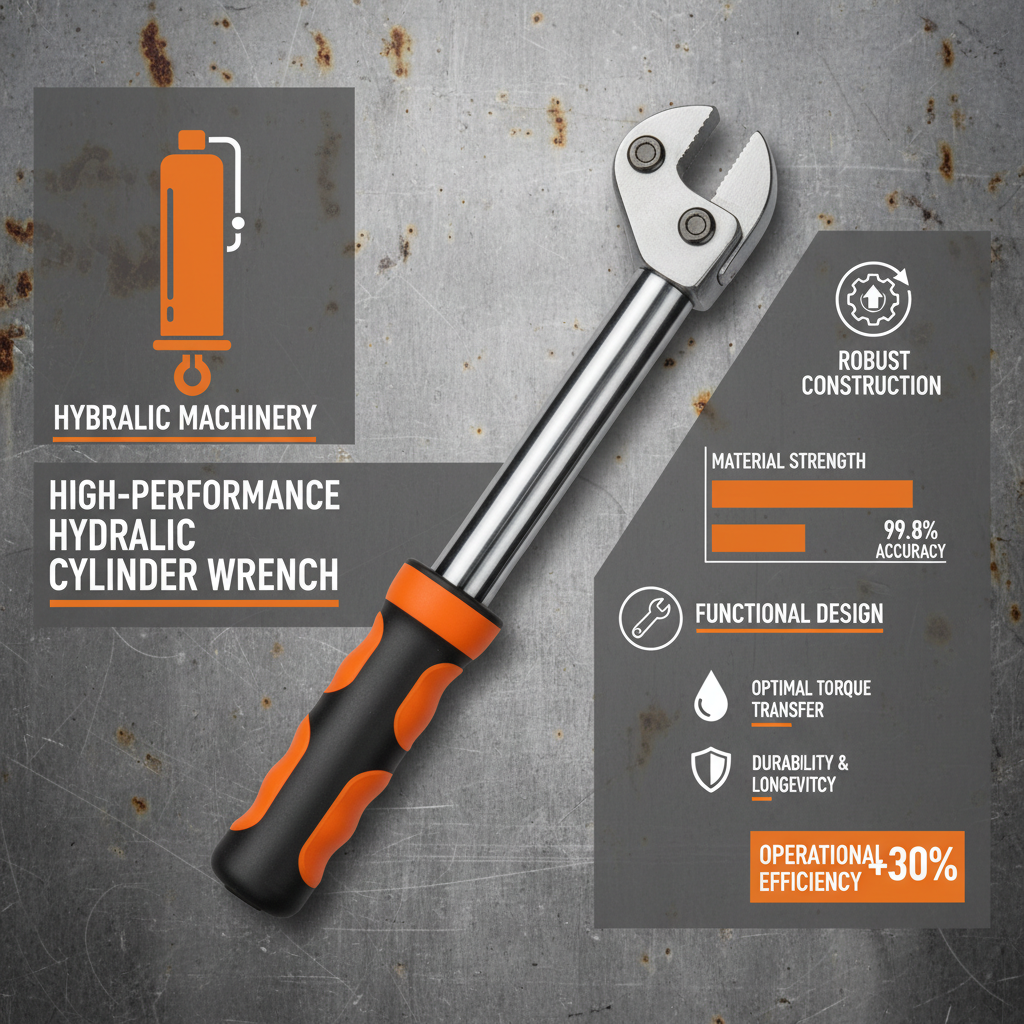
At its core, a high quality hydraulic cylinder wrench is a precision-engineered hand or powered tool specifically designed to grip, turn, and tighten the large-diameter nuts and caps found on industrial oil cylinders. Unlike standard pipe wrenches, these tools are crafted from high-tensile alloy steels that resist deformation under extreme loads, ensuring a snug fit that eliminates slippage.
In the context of modern industry, this tool represents the intersection of metallurgy and ergonomics. It is not merely a piece of iron, but a calibrated instrument that allows a technician to apply thousands of Newton-meters of torque with surgical precision. This is essential for maintaining the integrity of high-pressure systems where a single loose fitting could result in a dangerous fluid injection injury.
Furthermore, these wrenches are critical for humanitarian and infrastructure projects, such as the deployment of large-scale water pumps or emergency bridge supports in disaster zones. In these scenarios, the ability to quickly and reliably service hydraulic power units using a high quality hydraulic cylinder wrench can be the difference between a successful recovery operation and a total system collapse.
Core Technical Components for Maximum Performance
The first critical factor is Material Durability. A professional high quality hydraulic cylinder wrench is typically forged from Chrome-Vanadium (Cr-V) or Chrome-Molybdenum steel. This ensures that the tool can withstand cyclic loading without developing stress fractures, which is a common failure point in cheaper, cast-iron alternatives.
Secondly, Precision Fit and Tolerance are paramount. The jaw geometry must be machined to tight tolerances to ensure maximum surface contact with the cylinder nut. This prevents the "rounding" effect and ensures that the torque is transferred axially, protecting the delicate threads of the Oil Cylinder and Power components from shear stress.
Finally, Ergonomic Leverage defines the usability of the tool. By optimizing the handle length and grip texture, a high quality hydraulic cylinder wrench reduces the physical strain on the operator. This not only increases the speed of the maintenance process but significantly lowers the risk of musculoskeletal injuries among technicians working in cramped industrial environments.
Comparative Analysis of Tooling Efficiency and Torque
When comparing different approaches to cylinder maintenance, the difference in efficiency is stark. Using a high quality hydraulic cylinder wrench allows for a consistent torque application that is nearly impossible to achieve with improvised levers or low-grade tools. This consistency is what ensures that the internal seals of the power cylinder are compressed perfectly, preventing the slow leaks that plague poorly serviced equipment.
The following data illustrates how different grades of tooling impact the overall reliability and speed of the maintenance cycle. As the quality of the tool increases, the time spent on "correction" (fixing stripped bolts or re-tightening) decreases, while the operational safety rating climbs significantly.
Performance Metrics for Hydraulic Tooling Solutions
Global Applications Across Heavy Industries
The application of a high quality hydraulic cylinder wrench extends far beyond simple repair shops. In the mining sector of Australia and Canada, these tools are used in the field to service massive hydraulic excavators. Given the remote nature of these sites, the reliability of the tool is paramount; a broken wrench in the middle of the Outback can result in days of lost production.
Similarly, in the shipbuilding hubs of East Asia, these wrenches are essential for assembling the heavy-duty hydraulic rams used in dry docks and steering systems. The corrosive saltwater environment requires tools that are not only strong but also treated with anti-corrosive coatings, ensuring that the wrench does not seize or rust, thereby maintaining its precision over years of rigorous use.
Long-Term Value: Reliability, Safety, and ROI
Investing in a high quality hydraulic cylinder wrench provides a tangible return on investment (ROI) by drastically reducing the Total Cost of Ownership (TCO) of hydraulic machinery. When a cylinder is tightened with the correct tool, the seal life is extended by up to 30%, reducing the frequency of expensive teardowns and the consumption of replacement parts.
Beyond the financial metrics, there is the invaluable element of human safety. In high-pressure hydraulic environments, "tool slip" can lead to severe injuries. A precision wrench that locks onto the component securely provides the technician with the confidence and stability needed to perform high-risk tasks without the fear of the tool jumping under load.
Ultimately, the use of professional tooling fosters a culture of excellence within a maintenance team. It signals a commitment to quality and safety, transforming a "quick fix" mentality into a professional engineering approach. This shift in culture leads to higher overall plant availability and a more resilient industrial operation.
Future Innovations in Hydraulic Tooling Technology
The future of the high quality hydraulic cylinder wrench is moving toward "Smart Tooling." We are seeing the integration of digital torque sensors and Bluetooth connectivity, allowing technicians to log the exact amount of torque applied to each cylinder in a digital maintenance record. This ensures full traceability and compliance with strict aerospace and nuclear industry standards.
Material science is also evolving, with the introduction of lightweight titanium alloys and carbon-fiber reinforced handles. These innovations reduce the weight of the tool without sacrificing strength, allowing for easier maneuverability in the tight spaces of modern, compact power units while maintaining the extreme rigidity required for heavy-duty applications.
Sustainability is another driving force, with a shift toward modular wrench designs. Instead of replacing an entire tool when a jaw wears down, modular systems allow for the replacement of specific wear-parts. This reduces industrial waste and lowers the long-term cost for the end-user, aligning industrial maintenance with global green energy and sustainability goals.
Technical Specifications and Analysis of Cylinder Tooling Grades
| Tooling Grade |
Material Composition |
Max Torque Capability |
Service Life (Est.) |
| Economy Grade |
Cast Iron / Low Carbon Steel |
Low (150-300 Nm) |
6-12 Months |
| Standard Industrial |
Alloy Steel (Basic) |
Medium (300-600 Nm) |
2-3 Years |
| Professional Grade |
Chrome-Vanadium Steel |
High (600-1200 Nm) |
5-7 Years |
| High Quality Special |
Cr-Mo Forged Alloy |
Extreme (1200+ Nm) |
10+ Years |
| Precision Smart Tool |
Titanium-Infused Steel |
Variable/Calibrated |
Lifetime (Modular) |
| Heavy Mining Spec |
Hardened Tool Steel |
Ultra-High (2000+ Nm) |
8-10 Years |
FAQS
A high quality hydraulic cylinder wrench is defined by its metallurgy—typically forged from Chrome-Molybdenum or Chrome-Vanadium steel—and its machining tolerances. Unlike standard tools, it features precise jaw geometry to prevent nut rounding and is heat-treated for maximum tensile strength, ensuring it doesn't flex or break under the extreme torque required for oil cylinder maintenance.
It is highly discouraged. Pipe wrenches have serrated teeth designed to bite into soft metal, which will gouge and damage the precision-machined surfaces of a hydraulic cylinder. This leads to stress concentrators and potential leaks. A dedicated high quality hydraulic cylinder wrench provides a smooth, secure grip that preserves the equipment's structural integrity.
For professional environments, a visual inspection for stress cracks should be performed before every use. If you are using a torque-limiting high quality hydraulic cylinder wrench, calibration should occur every 6 to 12 months or after 5,000 cycles. This ensures that the clamping force remains accurate, which is vital for the safety of the power system.
While a high quality hydraulic cylinder wrench often comes with a protective coating, applying a thin layer of industrial-grade anti-corrosive oil after use is recommended, especially in marine or mining environments. Storing tools in a dry, climate-controlled environment prevents oxidation and maintains the precision of the tool's mating surfaces.
Most high quality hydraulic cylinder wrenches are designed to follow international standard sizes. However, some proprietary systems may require custom-sized heads. We recommend checking the nut diameter and thread pitch of your Oil Cylinder and Power unit to ensure you select the correct wrench size for a perfect, slip-free fit.
It depends on the application. Powered wrenches are superior for repetitive tasks and ultra-high torque requirements, reducing operator fatigue. However, a manual high quality hydraulic cylinder wrench offers more "feel" and tactile feedback, which is often preferred by expert technicians when dealing with delicate, aged, or seized components to avoid over-torquing.
Conclusion
In summary, the transition to using a high quality hydraulic cylinder wrench is an investment in the fundamental reliability of industrial power systems. From the selection of premium alloy steels to the precision of the jaw design, every technical detail serves to minimize downtime, prevent equipment damage, and maximize operator safety. By focusing on durability, precision, and ergonomics, companies can ensure that their hydraulic maintenance is a science rather than a struggle.
As we look toward an era of smart manufacturing and sustainable engineering, the role of precision tooling will only grow. We encourage plant managers and maintenance engineers to audit their current toolkits and replace improvised equipment with professional-grade solutions. Ensuring your team has access to the best tools today is the most cost-effective way to guarantee the operational success of your machinery tomorrow. Visit our website for more professional solutions: www.hebeishenghan.com