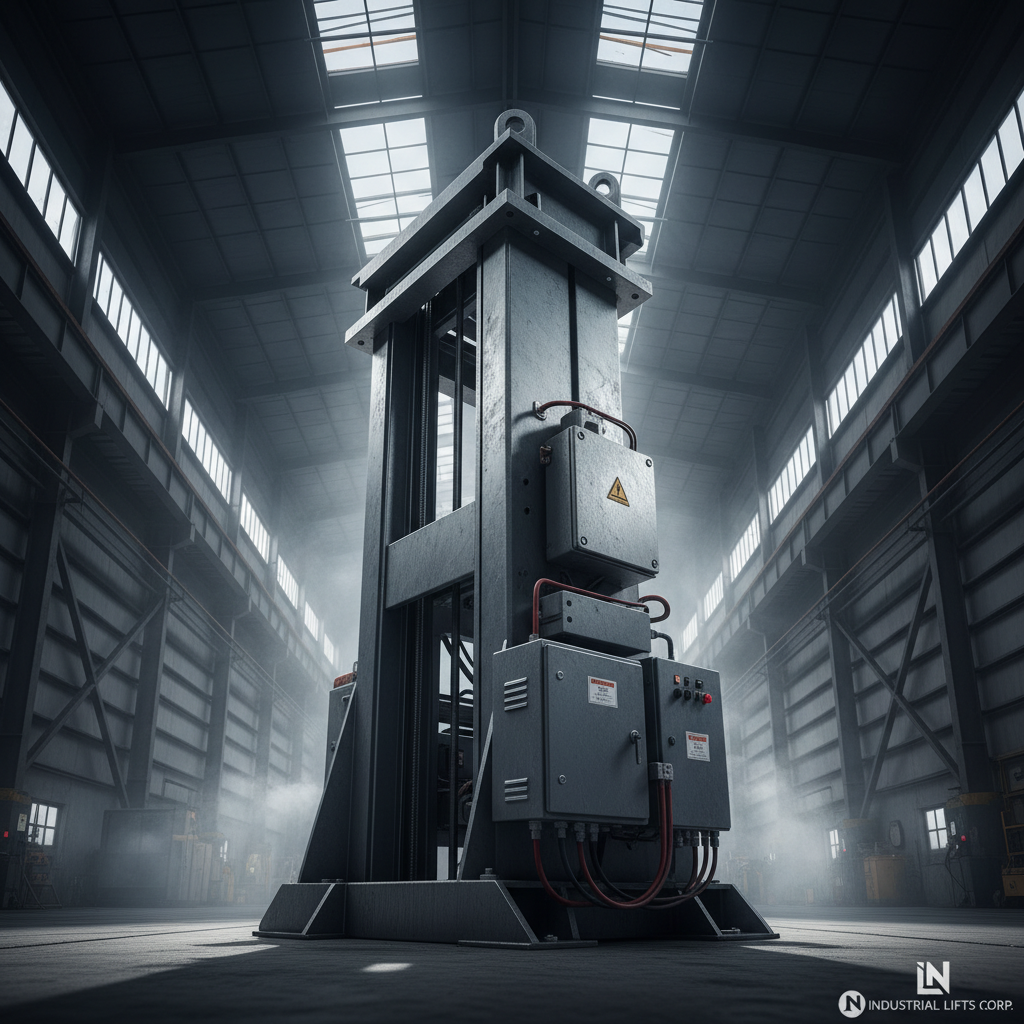
The reliable operation of lifting platforms across diverse industries hinges on the performance of their power units. A lifting platform power unit is the heart of these systems, providing the hydraulic or electric power necessary for safe and efficient operation. From construction and maintenance to logistics and manufacturing, the demand for robust and adaptable power units is constantly growing. Understanding the nuances of these units – their components, applications, and future trends – is crucial for professionals seeking to optimize performance, enhance safety, and drive innovation in the field of aerial work platforms.
Globally, the market for lifting platforms is experiencing significant expansion, driven by infrastructure development, increasing safety regulations, and a growing need for versatile access solutions. According to industry reports, the global aerial work platform market is projected to reach billions of dollars in the coming years. This growth directly translates to a heightened demand for high-quality lifting platform power unit solutions. Challenges exist, including the need for more sustainable power sources and increased efficiency, but overcoming these hurdles presents opportunities for innovation and technological advancement.
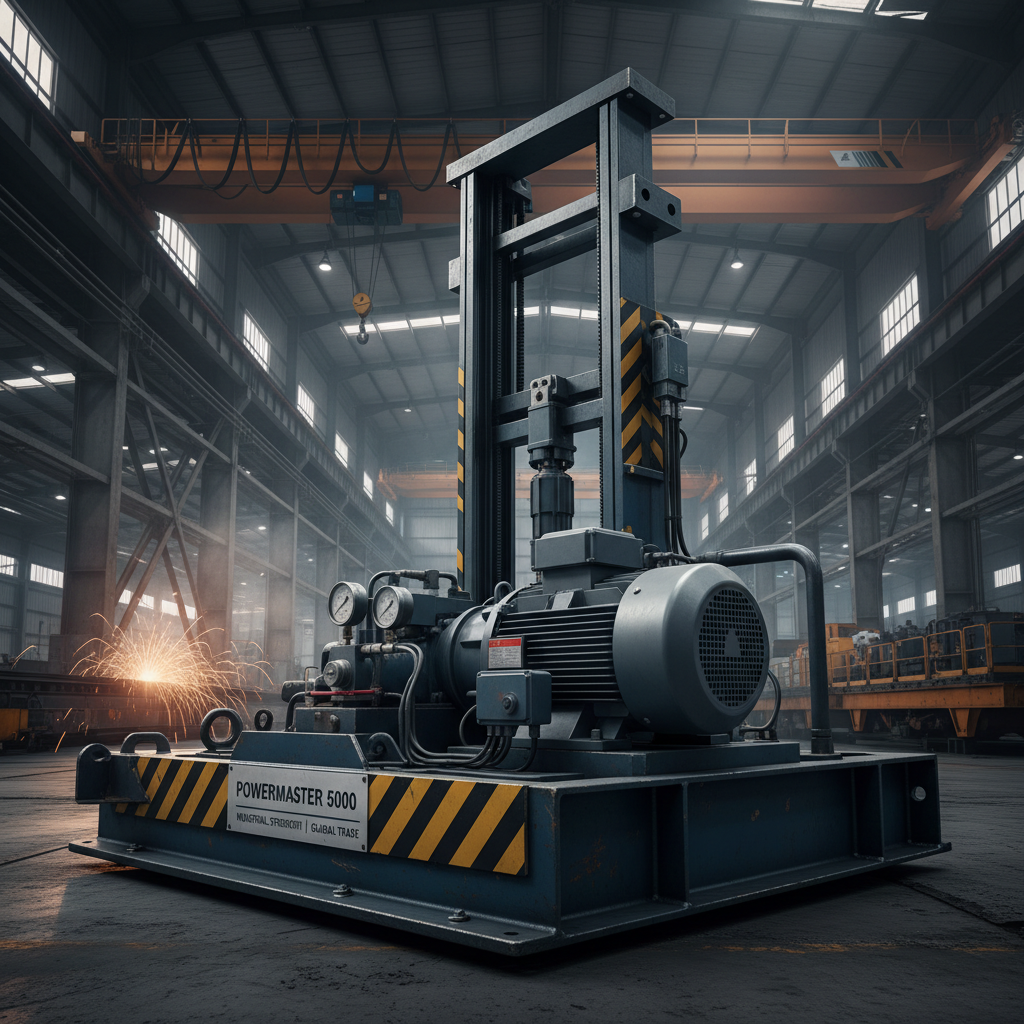
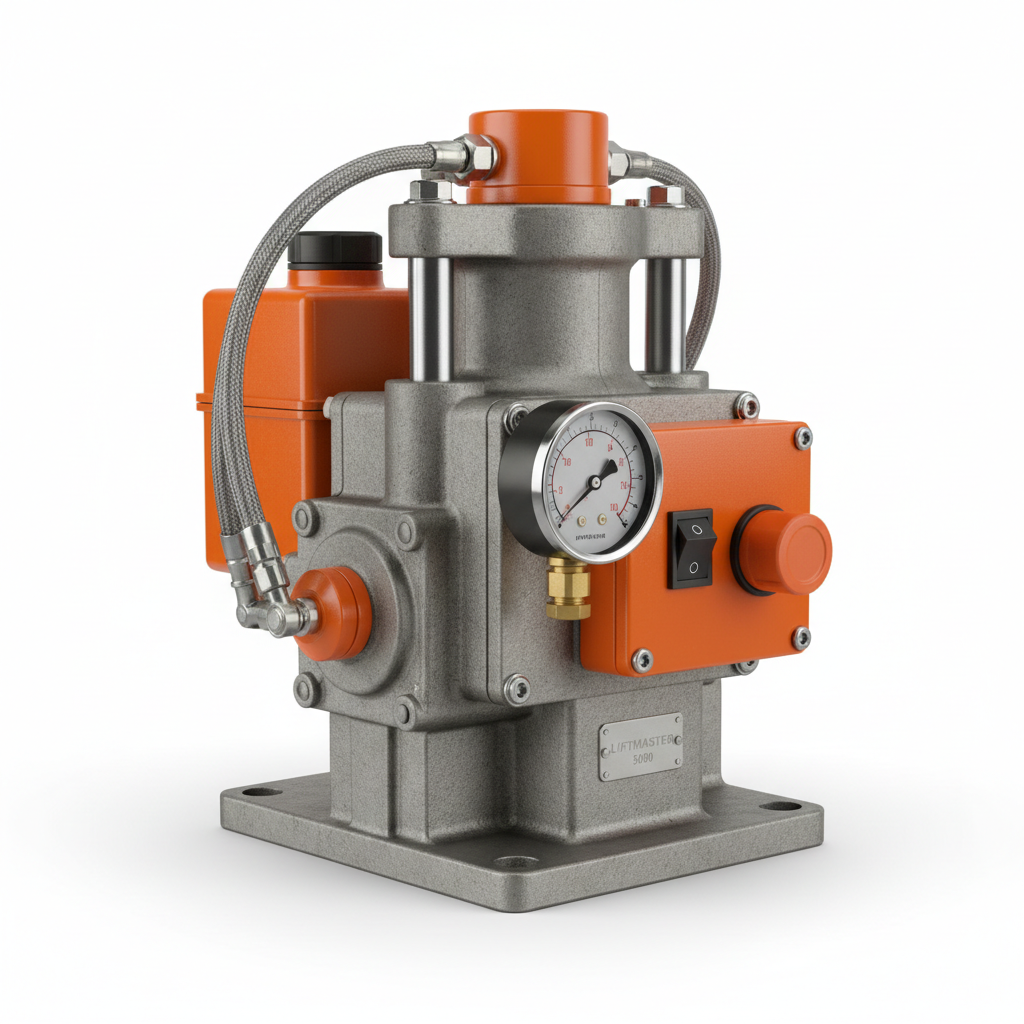
A lifting platform power unit is a self-contained system that delivers the power necessary to operate a lifting platform. This commonly involves a hydraulic power unit (HPU) – comprising a motor, pump, reservoir, valves, and filtration system – or an electric power unit. The selection of the appropriate power unit depends on factors such as platform size, lifting capacity, duty cycle, and environmental conditions. These units are integral to ensuring smooth, controlled, and safe operation of the platform, allowing workers to reach elevated areas efficiently and effectively.
Introduction to Lifting Platform Power Units
A well-designed lifting platform power unit isn't merely a component; it's the foundation of operational safety and efficiency. Its proper functioning directly impacts the ability of personnel to perform tasks at height with confidence. The selection process considers not only the immediate power requirements of the platform but also long-term reliability and maintenance needs.
Modern power units are increasingly incorporating smart technologies, such as remote monitoring and diagnostics, to predict potential failures and optimize performance. This proactive approach minimizes downtime and reduces overall operating costs. Selecting the correct lifting platform power unit is thus a strategic decision with substantial implications for project success and worker safety.
Global Relevance and Industry Context
The demand for lifting platforms is closely tied to global economic activity, particularly in sectors like construction, infrastructure development, and manufacturing. Developing nations experiencing rapid urbanization are driving significant growth in the aerial work platform market. As projects become more complex and safety regulations become stricter, the need for reliable lifting platform power unit solutions becomes paramount.
The International Organization for Standardization (ISO) and other regulatory bodies play a crucial role in establishing safety standards for lifting platforms and their power units. Compliance with these standards is essential for manufacturers and operators alike, ensuring the safe and responsible use of this equipment. Adherence to standards dictates the quality of components, testing procedures, and overall system design of a lifting platform power unit.
Furthermore, logistical challenges – such as transporting and maintaining these units in remote locations – present ongoing complexities. This is especially pertinent in regions with limited infrastructure, requiring durable and easily serviceable power units. These factors collectively underscore the global importance and intricate context surrounding the lifting platform power unit industry.
Defining Lifting Platform Power Units
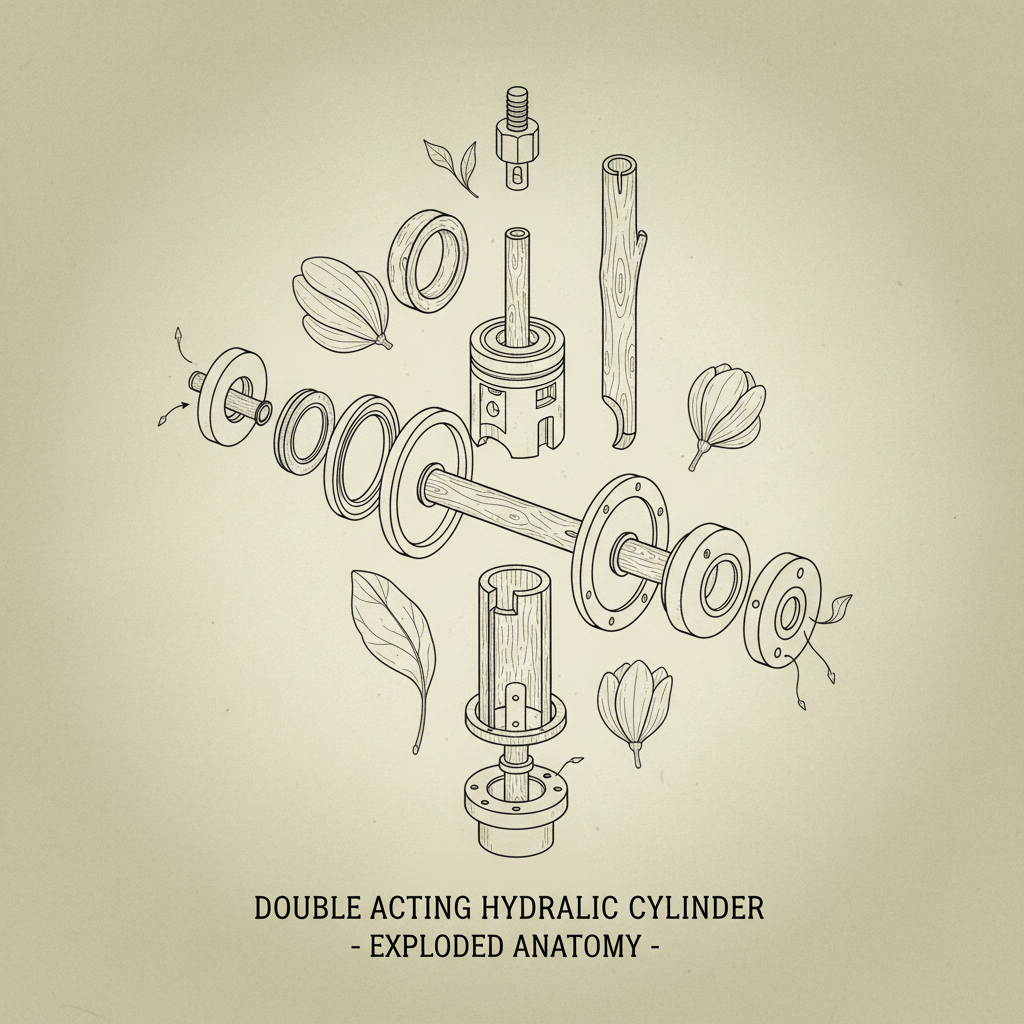
At its core, a lifting platform power unit translates a power source (typically electric or engine-driven) into the hydraulic or electric energy required to operate the platform’s lifting mechanisms. This often involves a pump that circulates hydraulic fluid to actuators (cylinders) that extend and retract, raising and lowering the platform. The power unit also incorporates safety features such as pressure relief valves and emergency stop mechanisms.
The connection to modern industry is profound. From maintaining wind turbines to constructing skyscrapers, these power units enable access to difficult-to-reach areas, increasing productivity and safety. In humanitarian aid, they are used in the rapid deployment of temporary infrastructure and disaster relief efforts, making them essential for rebuilding communities.
The evolution of lifting platform power unit technology reflects a broader trend towards miniaturization, increased efficiency, and reduced environmental impact. Modern units are often designed to be more compact, lighter, and quieter than their predecessors, while also offering improved performance and reliability.
Key Factors in Power Unit Design
Several key factors influence the design and selection of a lifting platform power unit. Durability is paramount, particularly in demanding applications where the unit is exposed to harsh environments. Robust construction, high-quality materials, and effective sealing mechanisms are essential for ensuring long-term reliability.
Efficiency directly impacts operating costs and environmental sustainability. Power units with high energy conversion rates minimize energy waste and reduce fuel consumption. Scalability is also important, allowing the unit to be adapted to different platform sizes and lifting capacities. Cost-effectiveness must be considered alongside performance and reliability. A well-designed unit balances initial investment with long-term operating costs. Safety features, including emergency shut-off systems and overload protection, are non-negotiable. Finally, Noise Reduction is increasingly important for operator comfort and compliance with noise regulations.
Efficiency Comparison of Lifting Platform Power Unit Technologies
Global Applications and Use Cases
lifting platform power unit solutions find widespread applications across numerous industries. In construction, they power scissor lifts, boom lifts, and other aerial work platforms used for building maintenance, renovation, and new construction projects. Within the industrial sector, they are employed in manufacturing facilities, warehouses, and distribution centers for tasks such as inventory management, equipment maintenance, and quality control.
In post-disaster relief operations, portable lifting platform power unit can quickly provide power for essential equipment, supporting rescue efforts and infrastructure repair. Furthermore, they are essential for maintaining renewable energy infrastructure, like wind turbines, requiring specialized access and lifting capabilities. In remote industrial zones, where power grid access is limited, self-contained power units provide a reliable source of energy for maintaining and operating lifting platforms.
Advantages and Long-Term Value
The advantages of investing in a high-quality lifting platform power unit extend beyond immediate operational benefits. Reduced downtime due to increased reliability translates to significant cost savings. Improved energy efficiency lowers fuel consumption and associated expenses, fostering sustainability. Increased worker safety enhances productivity and minimizes the risk of costly accidents and liabilities.
The long-term value is also rooted in innovation and trust. Choosing a reputable supplier like hebeishenghan.com ensures access to cutting-edge technology, ongoing support, and a commitment to continuous improvement. This fosters a sense of confidence and security, allowing businesses to focus on their core operations without worrying about the performance and reliability of their lifting platform power systems.
Future Trends and Innovations
The future of lifting platform power unit technology is poised for significant advancements. The integration of green energy solutions, such as battery-powered and hybrid systems, is gaining momentum, reducing reliance on fossil fuels and minimizing environmental impact. Digital transformation is also playing a key role, with the development of smart power units that incorporate remote monitoring, predictive maintenance, and data analytics.
Automation and robotic control systems are being increasingly adopted to enhance safety and efficiency. The implementation of advanced materials, such as lightweight composites, is reducing the weight of power units, improving portability and maneuverability. Furthermore, advancements in hydraulic technology – including more efficient pumps and valves – are driving increased performance and reduced energy consumption.
These innovations are not merely incremental improvements but represent a fundamental shift towards more sustainable, intelligent, and reliable lifting platform power unit solutions.
Summary of Current Lifting Platform Power Unit Challenges and Potential Solutions
| Challenge |
Impact on Operations |
Potential Solution |
Implementation Difficulty (1-10) |
| Limited Energy Efficiency |
High Operating Costs, Environmental Impact |
Adoption of Hybrid or Full Electric Systems |
6 |
| Downtime Due to Maintenance |
Reduced Productivity, Project Delays |
Implementation of Predictive Maintenance Programs |
7 |
| Noise Pollution |
Operator Discomfort, Regulatory Compliance Issues |
Utilizing Noise Reduction Technologies and Electric Units |
5 |
| Dependence on Hydraulic Fluids |
Environmental Concerns, Leakage Risks |
Transition to Direct Electric Drive Systems |
8 |
| Weight of Power Unit |
Reduced Platform Capacity, Increased Transportation Costs |
Employing Lightweight Materials & Compact Designs |
4 |
| Remote Monitoring Capabilities |
Limited Real-Time Performance Data |
Integrating IoT Sensors and Cloud-Based Platforms |
6 |
FAQS
The typical lifespan of a lifting platform power unit varies depending on usage, maintenance, and environmental conditions, but generally ranges from 5 to 10 years. Regular maintenance – including fluid checks, filter replacements, and component inspections – can significantly extend its life. High-quality units from reputable manufacturers like hebeishenghan.com are designed for durability and are more likely to exceed these expectations.
Regular maintenance for a hydraulic power unit includes checking and replacing hydraulic fluid, inspecting hoses and fittings for leaks, cleaning or replacing filters, and lubricating moving parts. It's crucial to monitor the fluid level and ensure it remains within the recommended range. Annual inspections by a qualified technician are also recommended to identify and address potential issues before they escalate.
Electric power units generally offer higher energy efficiency compared to hydraulic units, as they eliminate the energy losses associated with hydraulic fluid circulation and pump operation. This translates to lower operating costs and a reduced environmental footprint. However, the overall efficiency depends on the specific application and the quality of the components used in both types of units.
Essential safety features include pressure relief valves to prevent over-pressurization, emergency stop buttons for immediate shutdown, overload protection to prevent damage to the motor and pump, and appropriate guarding to protect personnel from moving parts. A qualified technician should regularly test these safety features to ensure they are functioning correctly.
Selecting the correct size lifting platform power unit depends on the platform's lifting capacity, speed requirements, and duty cycle. Factors like the weight of the load, the height of the lift, and the frequency of operation all need to be considered. Consulting with a power unit specialist is highly recommended to ensure you choose a unit that meets your specific needs.
Hybrid power units combine the benefits of both electric and engine-driven systems, offering improved fuel efficiency, reduced emissions, and quieter operation. They typically use an engine to generate electricity, which then powers the hydraulic pump or electric motor. This allows for extended operation times and reduced environmental impact compared to traditional engine-driven units.
Conclusion
In conclusion, the lifting platform power unit is a critical component of aerial work platforms, enabling safe and efficient access to elevated work areas. Understanding its principles, applications, and future trends is essential for professionals across various industries. Investing in a high-quality, reliable power unit translates to reduced downtime, lower operating costs, and enhanced safety for workers.
Looking ahead, the integration of sustainable technologies, digital monitoring systems, and automation will continue to shape the evolution of these units. By embracing innovation and prioritizing safety, we can unlock the full potential of lifting platforms and create a more productive and sustainable future. For premium lifting platform power unit solutions, visit our website: www.hebeishenghan.com.