Original Equipment Manufacturers (OEMs) constantly face a critical supply chain dilemma: balancing component quality with cost-efficiency while meeting aggressive production schedules. When equipment fails in the field—whether it is an agricultural harvester mid-season or a sanitation truck on its daily route—the root cause often traces back to substandard fluid power components. Relying on fragmented suppliers who lack customization capabilities ultimately leads to assembly bottlenecks, retroactive engineering, and compromised brand reputation.
Establishing a resilient production line requires more than just a vendor; it demands a strategic manufacturing partner deeply rooted in the industry. Since 2009, operations stationed in the national hydraulic machinery parts base of Hebei Ningjin have resolved these exact operational bottlenecks. By integrating production, wholesale, and direct sales under one roof, advanced manufacturers eliminate middlemen delays.
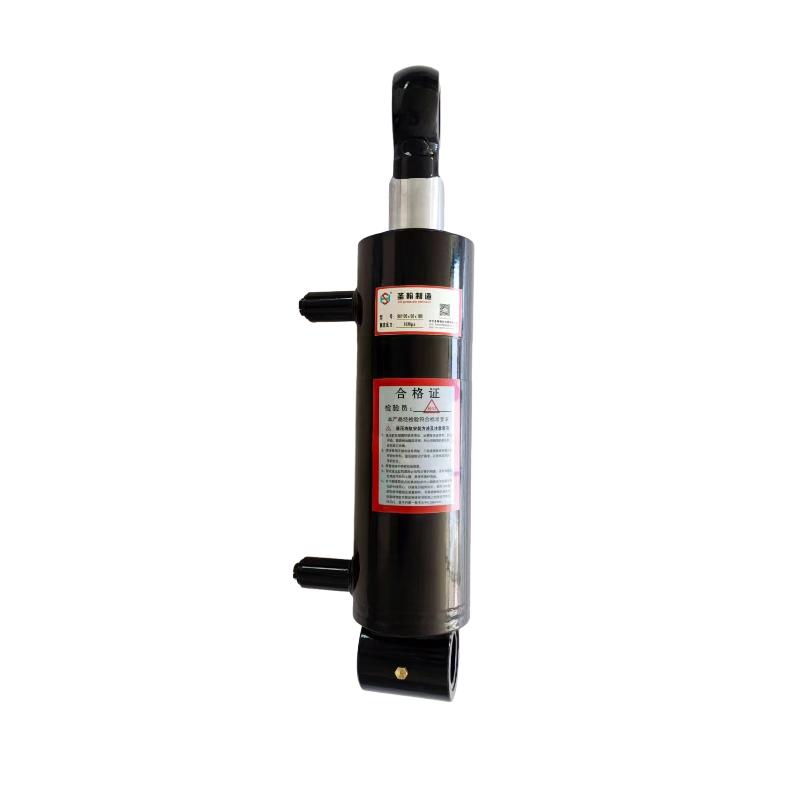
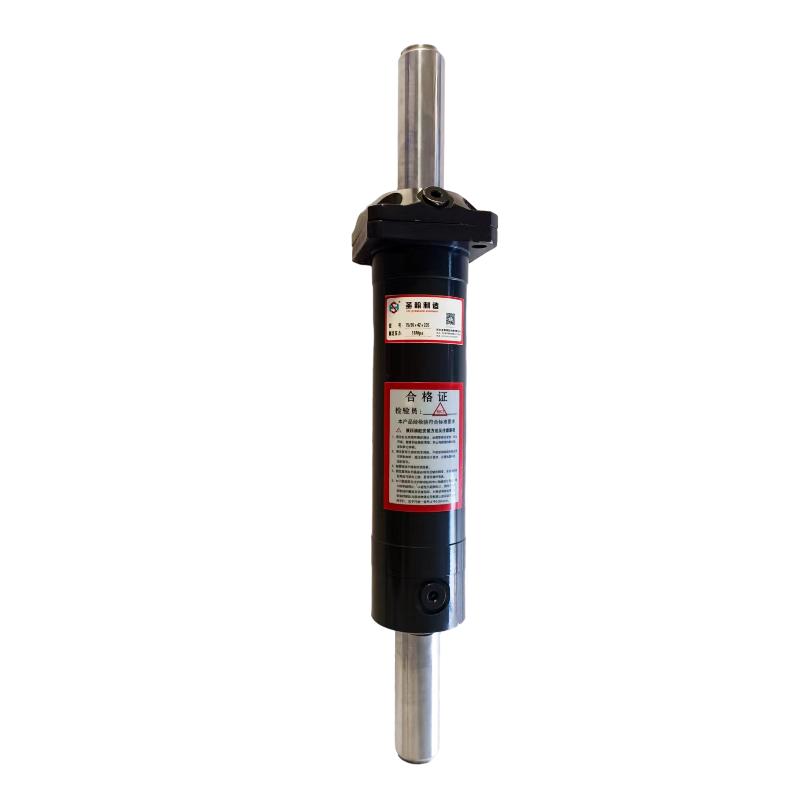
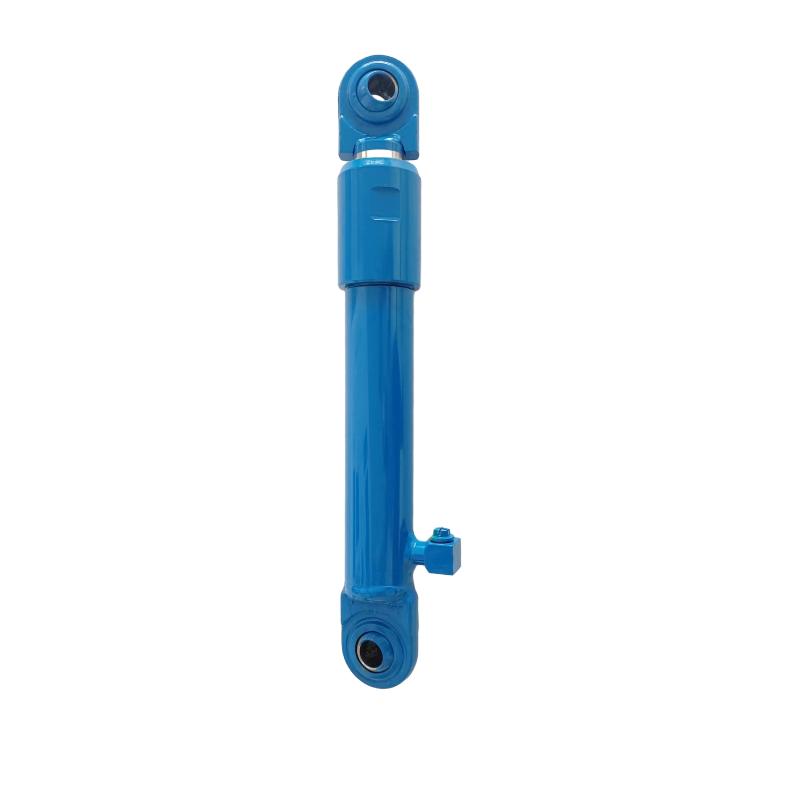
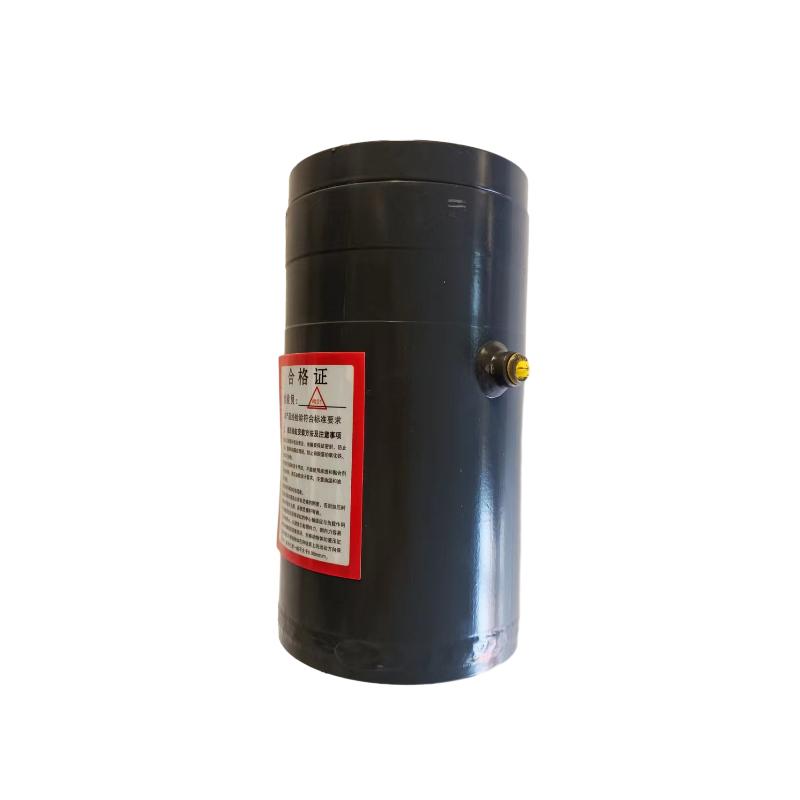
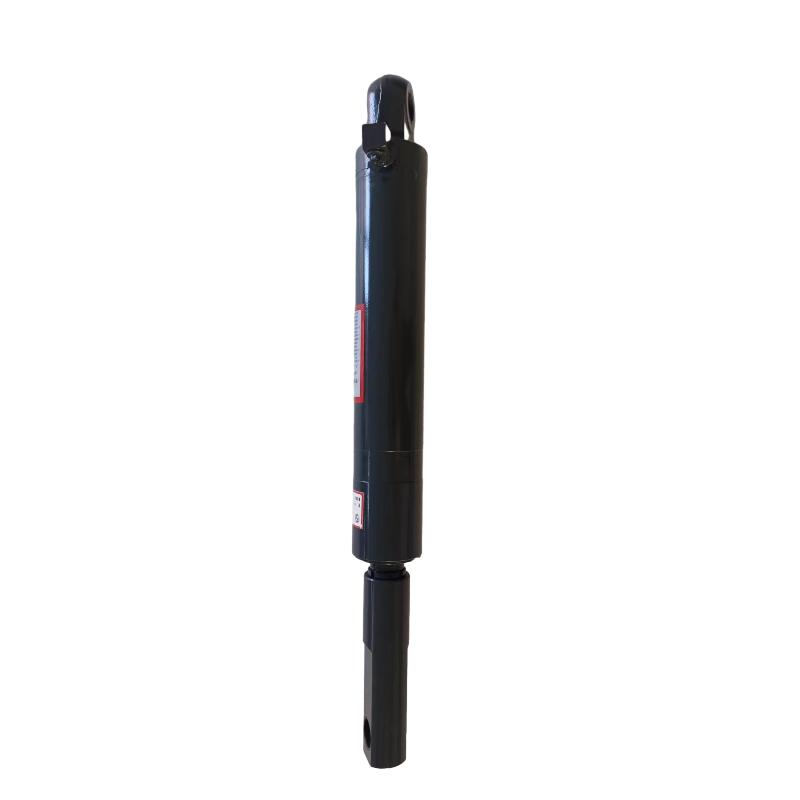
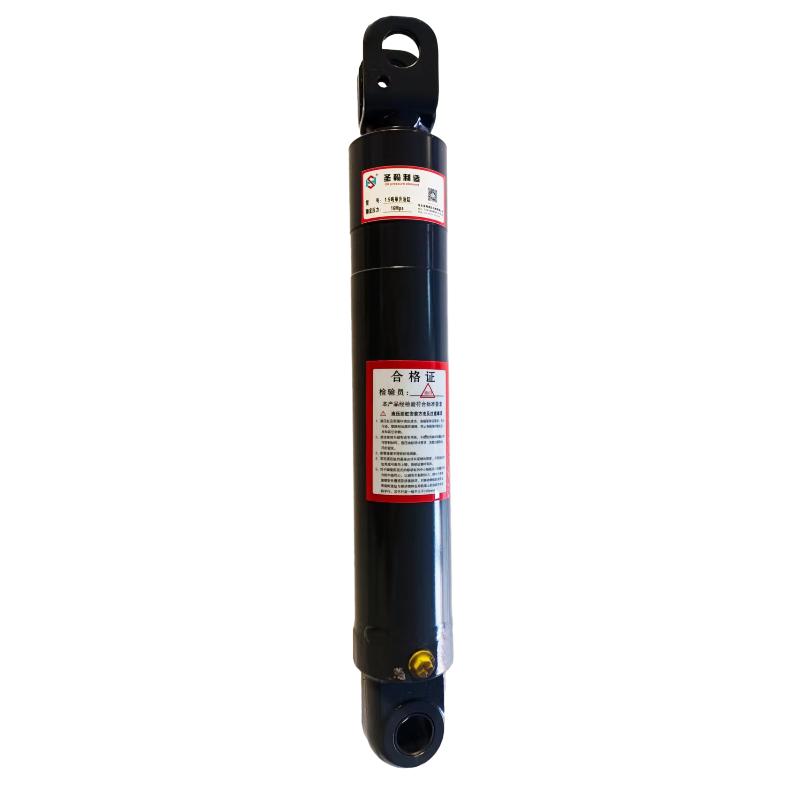
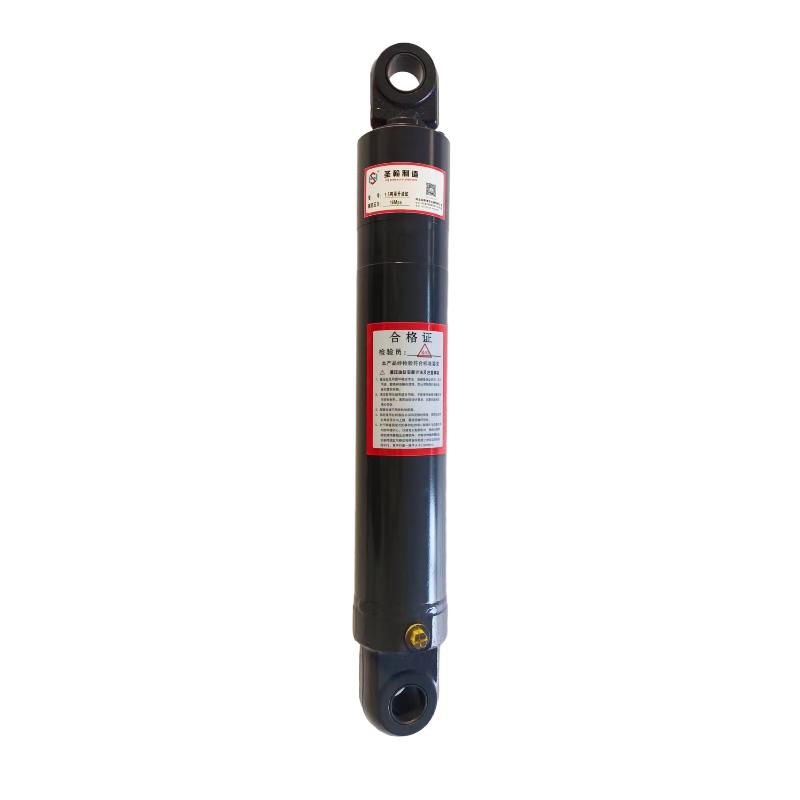
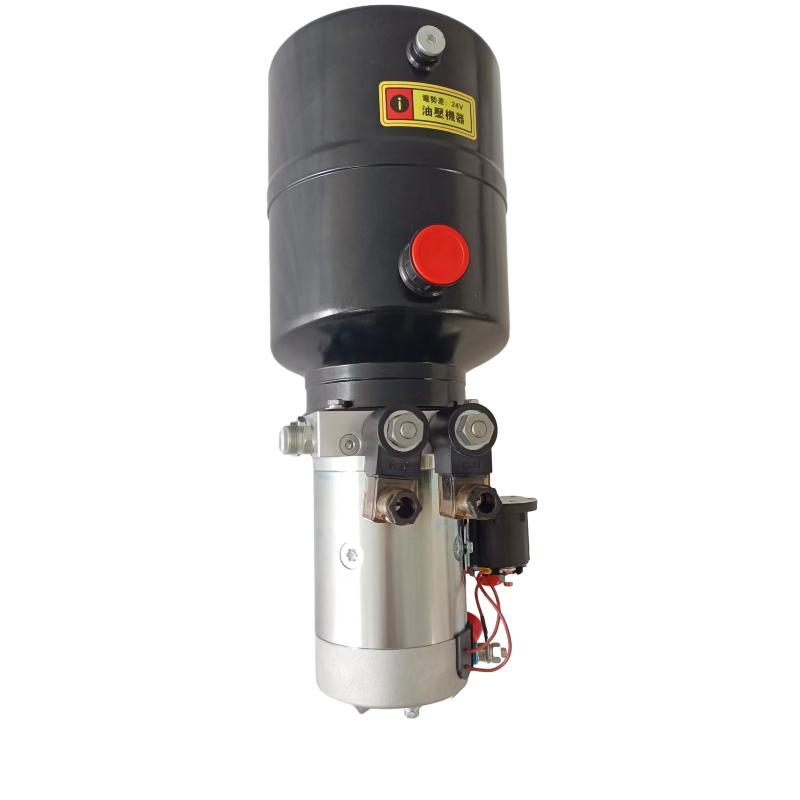
Leveraging deep sector experience, superior hydraulic cylinder fittings factories function as extensions of your own assembly line. They supply specialized parts—ranging from paddy field flat oil cylinders to complex power units for snow plows and lifting platforms—ensuring long-term stability. Through competitive pricing structures and efficient production capabilities, OEMs gain the confidence to scale their machinery lines without sacrificing mechanical integrity or profit margins.
Achieving peak mechanical performance demands rigorous quality control and technical versatility. Not all fluid power manufacturers can meet the demanding specifications required by modern heavy-duty machinery. To ensure seamless integration and durability, industry-leading manufacturers must adhere to strict operational benchmarks.
Below is an analysis of how advanced engineering frameworks distinguish world-class production facilities from average suppliers:
| Performance Metric | Industry Significance | Our Engineering Standard | Advantage |
|---|---|---|---|
| Application-Specific Customization | Different environments (e.g., wet paddy fields vs. freezing snow routes) require tailored tolerances. | Purpose-built designs for cotton picking, ground preparation, and sanitation truck applications. | Eliminates Retrofit Costs: Components seamlessly match specific OEM blueprints. |
| Integrated Manufacturing Model | Fragmented supply chains increase the risk of delayed shipments and miscommunications. | Unified production and wholesale sales located directly within China's national hydraulic machinery parts base. | Accelerated Time-to-Market: Rapid fulfillment and highly competitive wholesale pricing. |
| Cross-Border Deployment Readiness | Global OEMs require parts that survive harsh international logistics and meet diverse operational climates. | Proven export track record to demanding international markets including India, Vietnam, and Russia. | Global Reliability: Assurance of performance consistency regardless of the deployment region. |
| Power Unit Versatility | Modern vehicles require multi-functional fluid power solutions for varying mechanical lifts. | Comprehensive production of tailplate, flying wing, and lifting platform power units. | Consolidated Vendor Management: Source diverse hydraulic actuations from a single, trusted partner. |
Value engineering in fluid power systems is not merely about finding the lowest upfront price; it is about minimizing the Total Cost of Ownership (TCO) over the lifespan of your machinery. Procurement strategies that prioritize long-term OEM partnerships directly influence a company's financial trajectory. When you align with established hydraulic cylinder fittings factories that possess scalable production strengths, you actively mitigate the hidden costs associated with maintenance downtime and component failure.
By leveraging an integrated factory framework, heavy machinery producers can dramatically reduce procurement overhead. The direct-from-factory model ensures that cost savings are passed directly to the OEM, while strict quality control preserves the end-product's market value. This strategic alignment allows machinery brands to confidently expand their market presence across more than 20 provinces and international borders.
Related products
Top Selling Products