


Market Analysis
The Landscape of Hydraulic Machinery in Kenya
Evaluating the intersection of urban growth and industrial demand for fluid power systems.
Kenya's industrial landscape is characterized by a rapid expansion in logistics and urban infrastructure. From Nairobi's bustling distribution centers to Mombasa's port operations, there is a significant reliance on specialized lifting equipment. The market for hydraulic machinery is driven by the need for efficient material handling and vehicle modification. Currently, many operators rely on legacy systems that are increasingly unable to keep pace with the volume of trade, creating a strong demand for modernized, high-durability components that can withstand the local environmental stressors.
Current trends show a shift toward integrated hydraulic solutions. Operators are moving away from disparate components and toward complete systems, such as a combined wingspan power unit integrated with synchronized cylinders. This trend is driven by the need for automation in the logistics sector to reduce manual labor and improve safety. Furthermore, there is an increasing focus on energy efficiency, where power units are being optimized to reduce fuel consumption in mobile applications, aligning with global trends in sustainable industrial operations.
Despite the growth, constraints remain in the form of technical support and the availability of high-precision spare parts. This creates a strategic opportunity for manufacturers who can provide not only the hardware but also the technical documentation and customization capabilities required for diverse vehicle fleets. The outlook for the Kenyan market is positive, with expected growth in the food machinery and sanitation truck sectors, where specialized hydraulic actuators are essential for operational success.
Industry Evolution
The Progression of Fluid Power Technology
From simple mechanical lifts to sophisticated, integrated hydraulic power networks.
Early Phase
Basic Actuation
Hydraulic systems were primarily manual or used basic pump-and-valve configurations, focusing on raw lifting power without precision control or efficiency.
Growth Phase
System Integration
The emergence of dedicated power units allowed for standardized installation in trucks and forklifts, improving reliability and reducing assembly time.
Current Phase
Precision & Automation
Modern systems now feature customized valves and high-precision cylinders, enabling complex movements like synchronized wingspan opening and automated tail-lifting.
Shift to Compact Power Modules
Industry evolution has led to the development of miniaturized power units that provide high pressure in a smaller footprint, allowing for more cargo space in modified vehicles without sacrificing lifting capacity.
Material Science Advancement
The transition from standard steel to treated alloys and advanced coatings has significantly extended the service life of hydraulic rods, particularly in environments with high particulate contamination.
Integration of Control Electronics
Modern hydraulic systems are increasingly paired with electronic control units (ECUs), allowing for precise speed regulation and safety overrides, reducing the risk of hydraulic shock and mechanical failure.
Future Outlook
Emerging Trends in Global Hydraulic Manufacturing
Analyzing the technological shifts redefining the efficiency of fluid power systems.
Intelligent Pressure Monitoring
The integration of sensors allows for real-time pressure monitoring, enabling predictive maintenance by identifying leaks or pump degradation before a total system failure occurs.
Eco-Friendly Fluid Transitions
There is a growing move toward biodegradable hydraulic fluids to reduce environmental impact in the event of leaks, especially in the agricultural and sanitation sectors.
High-Efficiency Combined Units
Development of combined hydraulic cylinder systems that perform multiple functions with a single power source, reducing total weight and energy consumption.
Custom-Fit OEM Architecture
The shift toward deep OEM partnerships allows for cylinders to be designed into the chassis of the vehicle from day one, maximizing space and improving structural integrity.
The convergence of mechanical engineering and digital control is the most significant shift in the industry. By implementing precise flow control and pressure relief mechanisms, manufacturers are now able to deliver systems that are not only more powerful but also significantly safer. In the context of the Kenyan market, this means that vehicle modification shops can offer higher-quality upgrades to their clients, reducing the risk of accidents during the unloading of heavy goods.
Additionally, the move toward diversification in hydraulic applications is evident. While automotive lifting remains a core area, there is a rising demand for specialized actuators in food processing machinery and sanitation equipment. This diversification requires a flexible manufacturing approach where modular designs can be quickly adapted to different load requirements and environmental conditions, ensuring that the final product is fit-for-purpose.
Application Contexts
Practical Deployments of Hydraulic Systems in Kenya
How our power units and cylinders solve real-world operational problems across various sectors.
01
Last-Mile Delivery Trucks in Nairobi
Logistics operators using medium-duty trucks for urban deliveries require efficient unloading. By installing a specialized tailboard power unit, they can automate the lowering of heavy parcels, reducing worker fatigue and accelerating the delivery cycle in congested urban areas where speed is critical.
02
Agricultural Equipment for Rift Valley Farms
Farmers utilizing harvesters and ground preparation machinery face high dust levels. Our robust hydraulic cylinders with reinforced seals prevent particulate ingress, ensuring that lifting and folding mechanisms operate smoothly without the need for daily seal replacements.
03
Custom Vehicle Modification Shops in Mombasa
Modification centers specializing in "flying wing" cargo boxes integrate wingspan power units to create side-loading capabilities. This allows trucks to unload goods from the side of the vehicle, which is essential for narrow streets and specialized warehouse loading docks.
04
Municipal Sanitation Trucks in Major Cities
Waste management fleets require high-pressure compaction and lifting cylinders. Using high-cycle hydraulic actuators designed for sanitation trucks ensures that the lifting process for bins is rapid and consistent, maximizing the number of collections per route.
05
Industrial Forklift Attachments for Warehousing
Warehouse operators implementing specialized clamps for oversized goods use our forklift appliance oil cylinders. These provide the precise clamping force needed to secure loads without damaging the products, improving overall safety and inventory integrity.
Representative Use Cases
Operational Impact and Field Performance
Typical perspectives on the integration of high-precision hydraulic components into commercial fleets.
Integrating synchronized power units for wingspan systems has drastically reduced the time required for side-loading. The consistency of the lift ensures that cargo remains stable, and the reduced leakage compared to previous components has lowered our monthly maintenance costs.
The use of hard-chrome plated cylinders in our agricultural machinery has proven essential. In high-dust environments, standard rods often scored, but these components maintain a smooth surface, significantly extending the life of the seals and reducing downtime during harvest.
Switching to dedicated automotive lifting power units allowed us to standardize our vehicle modifications. The ease of integration with 12V systems and the reliability of the valve blocks have made our installation process faster and more consistent for our clients.
About Our Company
Hebei Shenghan: A Legacy of Hydraulic Excellence
Driven by precision and a commitment to diversified hydraulic solutions since our inception.
2009
Company Foundation
Hebei Shenghan Hydraulic Machinery Co., Ltd. was founded in Hebei Ningjin, a recognized national base for hydraulic machinery parts, establishing a foundation in diversified hydraulic production and wholesale.
Development Period
Product Diversification
Expanded production capabilities to include a wide range of specialized cylinders, including those for sanitation trucks, forklifts, and agricultural machinery, serving over 20 provinces and municipalities.
Current Phase
Strategic OEM Partnerships
Leveraging deep industry experience, the company now supports numerous OEMs as a long-term partner, providing customized power units and cylinders for complex vehicle modifications and industrial systems.

Snowplow power units
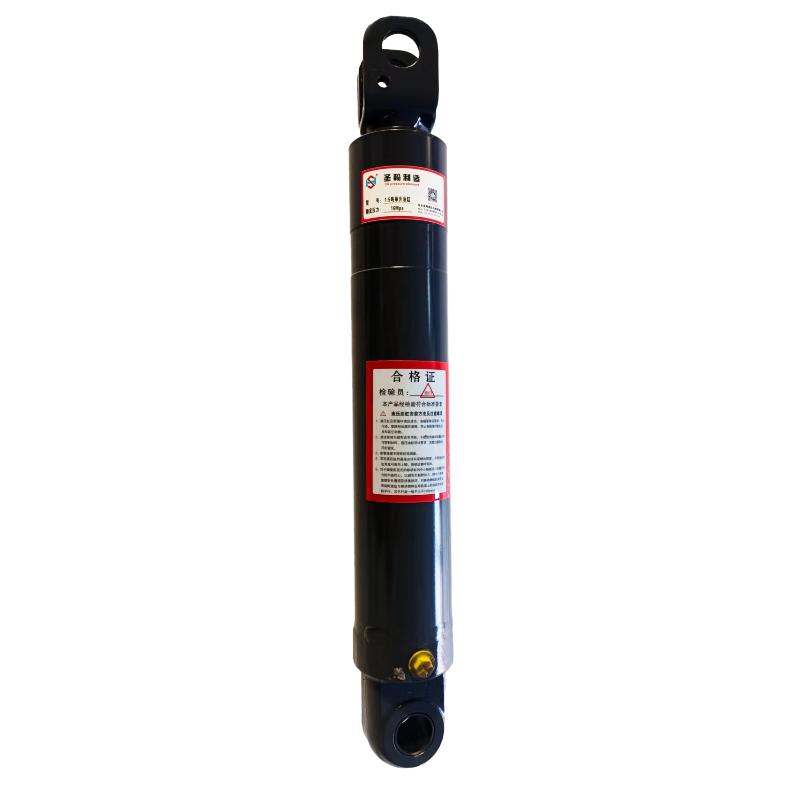
1.5 ton lifting cylinder 70/82-40-290-535
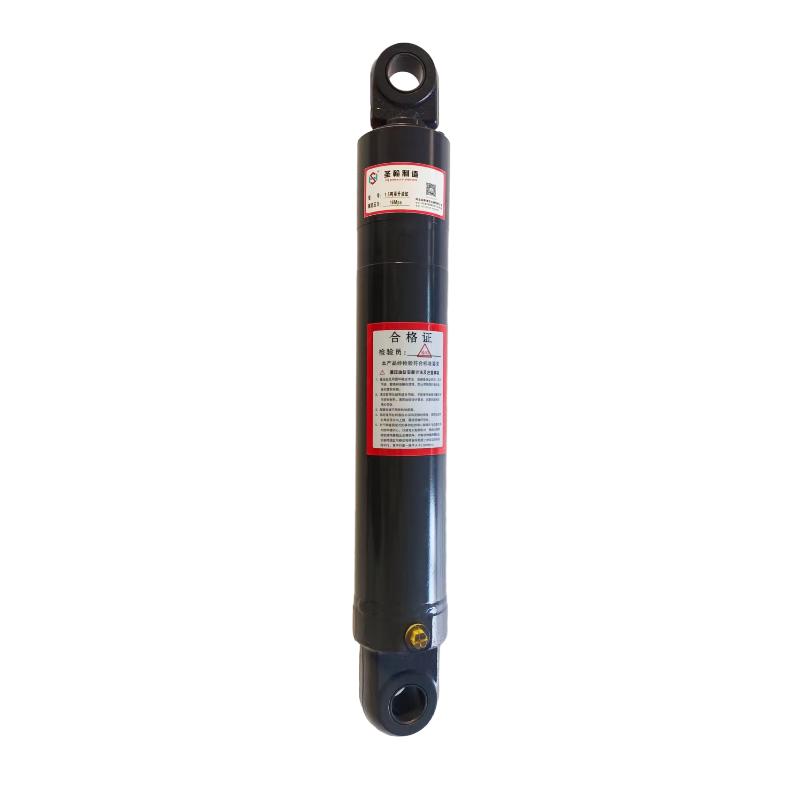
1.5 ton lifting cylinder earrings 70/82-40-295-535
Auto hoist power units
Technical FAQ
Common Inquiries Regarding Hydraulic Systems
Detailed answers to help you select and maintain the right hydraulic components for your application.
What is the primary difference between a single acting and a double acting hydraulic cylinder?
A single acting hydraulic cylinder, such as those used in some tail-lifting applications, uses hydraulic pressure to move the piston in one direction, while a spring or gravity returns it to the original position. In contrast, a double acting cylinder uses hydraulic pressure for both extension and retraction. For operators in Kenya, single acting cylinders are often preferred for simple lifting tasks due to their reduced complexity and lower cost of valve components.
How do I choose the correct power unit for a vehicle tail-lift or wingspan system?
Selection depends on three main factors: the maximum load weight, the required lifting speed, and the vehicle's electrical system (12V or 24V). You must calculate the necessary pressure (bar) and flow rate (liters per minute) to ensure the motor can handle the load without overheating. For wingspan systems, we recommend combined units that can manage multiple cylinders simultaneously to ensure synchronized movement and prevent chassis twisting.
Can these hydraulic components be customized for specific industrial machinery in Kenya?
Yes, customization is a core part of our service. We can adjust the bore size, stroke length, and mounting style of cylinders to fit specific machinery, such as food processing equipment or custom sanitation trucks. We also customize the valve configuration in our power units to meet specific operational sequences, ensuring the system integrates perfectly with your existing mechanical framework.
What maintenance is required to prevent seal failure in dusty environments?
In dusty regions, the most critical maintenance is the regular cleaning of the cylinder rod and the inspection of the wiper seal. We recommend using high-quality hydraulic oil with proper filtration to prevent internal abrasion. If you notice "scoring" or fine lines on the rod, it is advisable to replace the seal immediately to prevent contamination from entering the cylinder barrel, which could lead to permanent damage.
How long is the typical lifespan of a professional-grade hydraulic power unit?
With proper maintenance and oil changes, a professional-grade power unit can last for many years. The lifespan is typically determined by the duty cycle (how often it is used) and the quality of the fluid used. By avoiding overloading the system beyond its rated capacity and ensuring the motor is well-ventilated, operators can maximize the ROI of their automotive lifting power units.
What are the next steps for procuring custom hydraulic systems for a commercial fleet?
The first step is to provide a detailed technical requirement sheet, including load weights, available space for installation, and desired cycle times. Our engineering team then reviews these specifications to suggest the most efficient combination of cylinders and power units. Once the design is approved, we proceed to manufacturing and rigorous pressure testing before shipping to ensure the system is ready for immediate deployment.
Expert Consultation
Optimize Your Fleet's Lifting Capacity with Precision Hydraulics
Whether you are modifying delivery trucks in Nairobi or managing industrial machinery across Kenya, Hebei Shenghan provides the technical expertise and durable components needed to ensure operational reliability. Contact our engineering team today to discuss your specific load requirements and receive a tailored hydraulic solution.
Discuss Your Requirements