
Sep . 09, 2025 20:40 Back to list
Fork Lift Power Units | High Performance & Reliable Hydraulic Systems
The Core of Industrial Mobility: Understanding Fork lift power units
In the demanding environment of modern logistics and material handling, the efficiency and reliability of equipment are paramount. At the heart of a forklift's operational capability lies its power unit, a critical assembly comprising the motor, hydraulic pump, reservoir, and control valves. These integrated systems are engineered to deliver precise, robust hydraulic power, enabling the lifting, tilting, and steering functions essential for heavy load management. This comprehensive guide delves into the technical intricacies, application diversity, and strategic importance of these essential components for B2B stakeholders.
Industry Trends Shaping Forklift Power Unit Development
The landscape for material handling equipment is undergoing rapid transformation, driven by demands for increased operational efficiency, reduced environmental impact, and enhanced safety. Key trends influencing the development of Fork lift power units include:
- Electrification and Battery Technology: A significant shift towards electric forklifts necessitates advanced power units optimized for battery-electric operation. This includes more efficient DC motors, intelligent battery management systems, and regenerative braking capabilities to extend operational cycles.
- Energy Efficiency and Sustainability: Manufacturers are prioritizing designs that minimize energy consumption. This involves variable speed drive motors, load-sensing hydraulic systems, and higher-efficiency pump designs to reduce power draw during operation and standby.
- IoT Integration and Predictive Maintenance: Modern power units increasingly incorporate sensors and connectivity for real-time performance monitoring, fault diagnostics, and predictive maintenance. This allows for proactive servicing, minimizing downtime and optimizing asset utilization.
- Compactness and Modularity: Space constraints in warehouses and manufacturing facilities drive the need for more compact power units. Modular designs also offer greater flexibility for customization and easier maintenance.
- Enhanced Safety Features: Integration of features like intelligent overload protection, emergency stop functions, and improved thermal management contribute to safer operation and extended component life.
These trends underscore a move towards smarter, greener, and more resilient power solutions for the next generation of industrial vehicles.
Technical Specifications and Parameters of Forklift Power Units
The performance of Fork lift power units is defined by a range of critical technical parameters that directly impact their suitability for specific applications. Understanding these specifications is vital for optimal selection and integration.
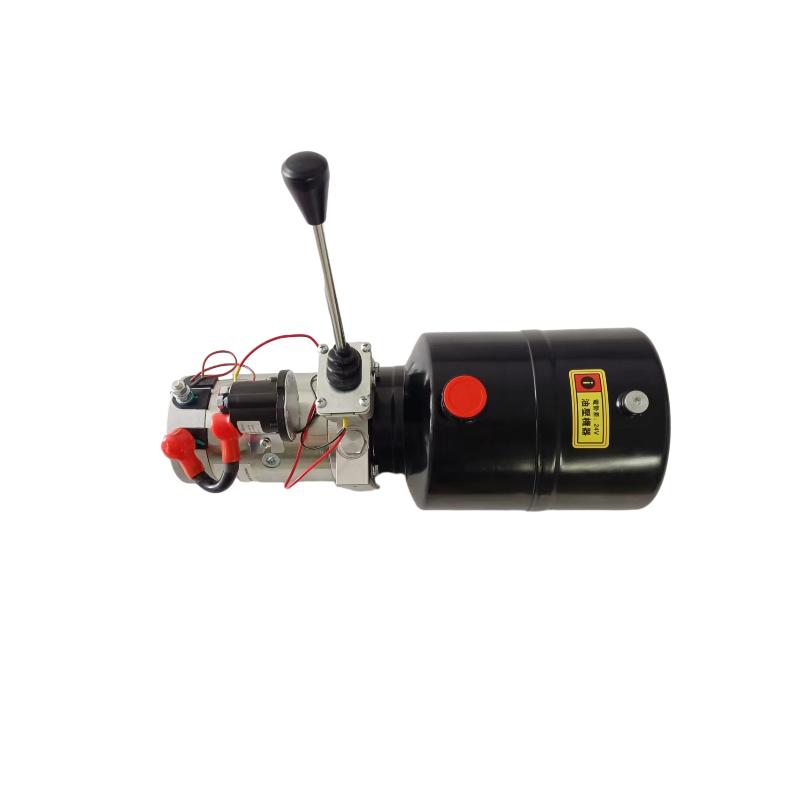
Typical Product Specification Table
| Parameter | Typical Range/Value | Description |
|---|---|---|
| Motor Type | DC Motor (Brushed/Brushless), AC Motor | Determines efficiency, maintenance, and power delivery characteristics. |
| Motor Power (kW) | 0.8 kW - 10 kW | Output power, directly relates to lifting capacity and speed. |
| Voltage (V) | 12V, 24V, 36V, 48V, 80V | System operating voltage, typically matched with battery system. |
| Pump Displacement (cc/rev) | 2 cc/rev - 20 cc/rev | Volume of hydraulic fluid moved per revolution, impacts lift speed. |
| Rated Pressure (MPa) | 16 MPa - 25 MPa | Maximum operating pressure of the hydraulic system. |
| Flow Rate (L/min) | 5 L/min - 40 L/min | Volume of hydraulic fluid delivered per minute. |
| Duty Cycle | S1 (Continuous), S2 (Short-time), S3 (Intermittent) | Indicates the motor's ability to operate under load over time. |
| Reservoir Capacity (L) | 2 L - 20 L | Volume of hydraulic fluid stored, affects thermal management and system stability. |
| Operating Temperature (°C) | -20°C to +80°C | Temperature range for reliable operation. |
These specifications are crucial for engineers and procurement specialists to ensure the selected power unit aligns perfectly with the forklift's operational requirements and environmental conditions.
Manufacturing Process of Fork Lift Power Units
The production of high-performance Fork lift power units involves a sophisticated multi-stage process, ensuring precision, durability, and reliability. This meticulous approach guarantees products that meet stringent industry standards.
Key Materials and Component Sourcing:
Materials are carefully selected for their mechanical properties and resistance to wear and corrosion. This includes:
- High-Strength Steel Alloys: For motor casings, pump bodies, and mounting brackets, ensuring structural integrity under high stress.
- Cast Iron and Aluminum Alloys: Used for hydraulic reservoirs and certain pump components due to their casting properties and heat dissipation capabilities.
- Precision-Machined Components: Such as gears, shafts, and valve spools, typically made from hardened steel for wear resistance.
- Elastomeric Seals and Gaskets: Viton, NBR, or PTFE, selected for compatibility with hydraulic fluids and temperature ranges.
Process Flow: From Raw Material to Finished Product
- Raw Material Inspection & Preparation: Incoming materials undergo rigorous quality checks (e.g., spectral analysis, hardness testing) to confirm compliance with metallurgical specifications. Materials are then prepared for subsequent processes.
- Casting/Forging of Housings: Main components like pump housings and motor casings are produced via precision casting or forging, followed by annealing to relieve internal stresses and improve machinability.
- CNC Machining: Critical components, including pump gears, motor shafts, valve bodies, and hydraulic manifolds, are precision-machined using advanced CNC lathes and milling centers. Tolerances are typically held to microns to ensure optimal fit and performance.
- Heat Treatment & Surface Finishing: Components requiring enhanced wear resistance or hardness (e.g., gears, shafts) undergo heat treatment processes like carburizing or nitriding. Surface finishes like anodizing or corrosion-resistant coatings are applied to reservoirs and external parts.
- Component Assembly: Individual sub-assemblies (motor, pump, manifold, reservoir) are meticulously assembled in cleanroom environments to prevent contamination. This involves precise fitting of bearings, seals, and fasteners.
- Integrated Unit Assembly: The motor, pump, reservoir, and control block are integrated into the final power unit. Electrical connections are made, and hydraulic lines are carefully routed and secured.
-
Rigorous Testing & Quality Assurance:
- Functional Testing: Each unit undergoes comprehensive functional tests, including pressure holding, flow rate verification, motor performance (torque, RPM), and valve operation.
- Leakage Testing: Hydraulic circuits are tested for any leaks under operational pressure.
- Noise & Vibration Analysis: Units are checked for abnormal noise or vibration levels.
- Endurance Testing: Sample units undergo extended operational cycles to validate service life and durability.
Adherence to international standards like ISO 9001 for quality management and ANSI standards for hydraulic components ensures product integrity. Typical service life for well-maintained units ranges from 10,000 to 20,000 operating hours, depending on duty cycle and environment.
- Packaging & Dispatch: Finished units are cleaned, lubricated, and securely packaged to prevent damage during transit.
This structured process, combined with stringent quality control, ensures the production of highly reliable and efficient Fork lift power units.
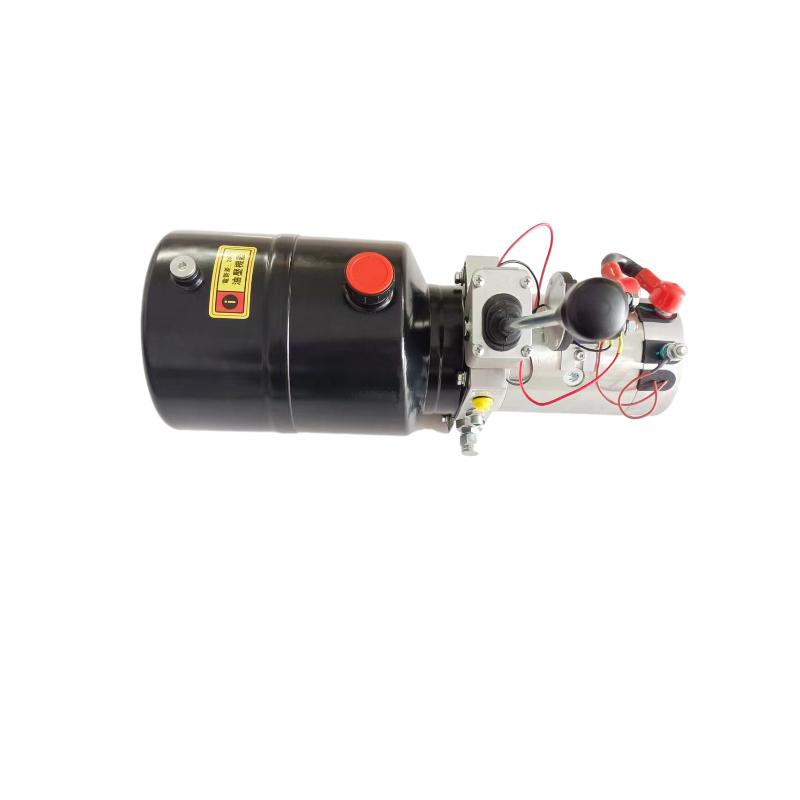
Application Scenarios and Target Industries
The versatility and robust performance of Fork lift power units make them indispensable across a broad spectrum of industrial applications. They are designed to meet the diverse needs of various sectors requiring efficient material handling.
Typical Application Scenarios:
- Warehouse and Distribution Centers: Powering electric and hybrid forklifts for stacking, retrieving, and transporting goods within confined spaces and high-rack storage systems.
- Manufacturing Facilities: Supporting production lines by moving raw materials, work-in-progress, and finished goods, often requiring precise control and continuous operation.
- Logistics and Shipping Ports: Heavy-duty applications involving loading and unloading container111s and large pallets, demanding high power and durability.
- Retail and Commercial Operations: Enabling efficient stock management, particularly in large format stores and back-of-house operations.
- Specialized Environments: Adapted for cold storage facilities (with specific hydraulic fluid and component choices), cleanrooms, or hazardous areas, requiring specialized certifications and materials.
Target Industries:
- Petrochemical Industry: Demanding high reliability and compliance with safety standards, often in potentially explosive atmospheres (requiring ATEX-certified components).
- Metallurgy & Heavy Industry: Where robust and high-capacity lifting is crucial for handling heavy metal coils, plates, and machinery.
- Water Supply & Drainage: Supporting infrastructure maintenance, moving heavy pipes, valves, and treatment components.
- Food & Beverage: Requiring hygienic designs, often with corrosion-resistant materials and specific fluid compatibility.
- Automotive & Aerospace: Precision and reliability for assembly line support and component handling.
In these diverse settings, the emphasis is on energy saving through optimized hydraulic and electric motor integration, and corrosion resistance through advanced material selection and surface treatments, ensuring prolonged operational life and reduced maintenance in harsh environments.
Technical Advantages and Performance Edge
Modern Fork lift power units offer significant technical advantages that translate directly into operational benefits for businesses.
- High Energy Efficiency: Employing high-efficiency permanent magnet synchronous motors (PMSM) or advanced DC motors combined with variable speed pump control, these units significantly reduce energy consumption compared to traditional fixed-speed systems. This can lead to up to 30% energy savings.
- Precise Load Handling: Advanced proportional control valves and integrated sensor feedback systems allow for exceptionally smooth and precise control of lift, lower, and tilt functions, minimizing product damage and enhancing safety.
- Enhanced Durability and Service Life: Constructed from high-grade materials and manufactured with precision engineering, these units are designed for continuous heavy-duty operation. Robust seals, filters, and thermal management systems contribute to a long, trouble-free service life, often exceeding 15,000 hours.
- Low Noise and Vibration: Optimized pump designs and motor insulation reduce operational noise, improving the working environment for operators and reducing fatigue. Vibration damping also extends the life of adjacent components.
- Compact and Integrated Design: Modern power units are engineered for minimal footprint, allowing for greater design flexibility in forklift chassis and maximizing usable space. Integrated control electronics further streamline the system.
- Superior Thermal Management: Efficient heat dissipation via optimized reservoir design and, where necessary, integrated cooling systems, prevents overheating of hydraulic fluid and components, ensuring consistent performance even under heavy loads and extended operation.
Vendor Comparison and Strategic Selection
Selecting the right vendor for forklift power units involves evaluating technical capabilities, product range, and service reliability. Key differentiators often lie in specialized features and application-specific optimizations.
Product Comparison: Standard vs. High-Performance Units
| Feature | Standard Power Unit | High-Performance Power Unit |
|---|---|---|
| Motor Technology | Brushed DC Motor, Fixed Speed | Brushless DC (BLDC) or AC Motor with Variable Speed Drive (VSD) |
| Hydraulic Pump | Fixed Displacement Gear Pump | Load-Sensing Variable Displacement Pump |
| Energy Efficiency | Good (70-75%) | Excellent (85-90%+), up to 30% energy savings |
| Control Precision | Basic On/Off, Pressure Relief | Proportional Valve Control, Soft Start/Stop, Electronic Feedback |
| Noise Level | Moderate (70-75 dB) | Low (60-65 dB), quieter operation |
| Maintenance Cycle | Standard (e.g., brush replacement for DC motors) | Extended (brushless motors, longer fluid life) |
| Cost (Relative) | Lower Initial Cost | Higher Initial Cost, Lower Total Cost of Ownership (TCO) |
When comparing vendors, consider their adherence to global quality standards (e.g., ISO 9001, CE, RoHS compliance), proven track record with major OEM clients, and the depth of their technical support. A vendor offering robust R&D capabilities and a comprehensive range of standardized and customizable solutions often provides the best long-term value.
Customized Solutions for Unique Requirements
Recognizing that standard products may not always meet every unique operational challenge, leading manufacturers offer highly customizable solutions for Fork lift power units. This flexibility is crucial for specialized applications or integration into bespoke machinery.
- Voltage and Power Output: Tailored to match specific battery configurations (e.g., 12V to 80V) and required lifting capacities.
- Pump Displacement and Pressure Settings: Adjusted to achieve desired lift speeds, flow rates, and maximum load handling capabilities.
- Reservoir Design and Material: Custom shapes and capacities to fit specific forklift chassis dimensions. Material choices (e.g., stainless steel, specialized plastics) for corrosive or hygienic environments.
- Valve Configurations: Integration of specialized control valves, solenoid valves, or proportional valves for advanced control functions like precise lowering or multi-axis movement.
- Environmental Adaptations: Solutions for extreme temperatures (cold storage, high ambient heat), dust-prone areas (IP-rated enclosures), or hazardous locations (explosion-proof components).
- Integrated Electronics and Software: Custom control logic, CAN bus integration, or specific sensor inputs for advanced telematics and diagnostic capabilities.
Working closely with a manufacturer's engineering team allows clients to design power units that perfectly integrate with their specific forklift models and operational workflows, ensuring maximum efficiency and compliance.
Application Case Studies
Real-world applications demonstrate the tangible benefits of high-quality forklift power units:
- Case Study 1: Large Scale E-commerce Warehouse
A leading e-commerce giant implemented 48V high-efficiency power units with variable speed drives across its fleet of electric pallet trucks. The result was a documented 22% reduction in energy consumption over a fiscal year, extending battery life by 15% and significantly reducing charging downtime during peak operational hours. This led to a fast ROI on the upgraded units.
- Case Study 2: Chemical Processing Plant
For forklifts operating in a corrosive chemical processing environment, specialized power units with stainless steel reservoirs, chemical-resistant seals, and explosion-proof (ATEX-certified) motors were deployed. Despite the harsh conditions, the units demonstrated exceptional corrosion resistance and reliability, maintaining operational integrity with minimal maintenance for over five years, vastly exceeding the performance of previous standard units.
- Case Study 3: Cold Storage Logistics
A major cold storage facility, with temperatures consistently below -20°C, required power units capable of reliable operation without performance degradation. Custom-engineered units with specific low-temperature hydraulic fluids, robust sealing, and enhanced thermal insulation were installed. These units maintained consistent lift speeds and pressure stability, significantly improving operational efficiency and reducing downtime associated with component failures in extreme cold.
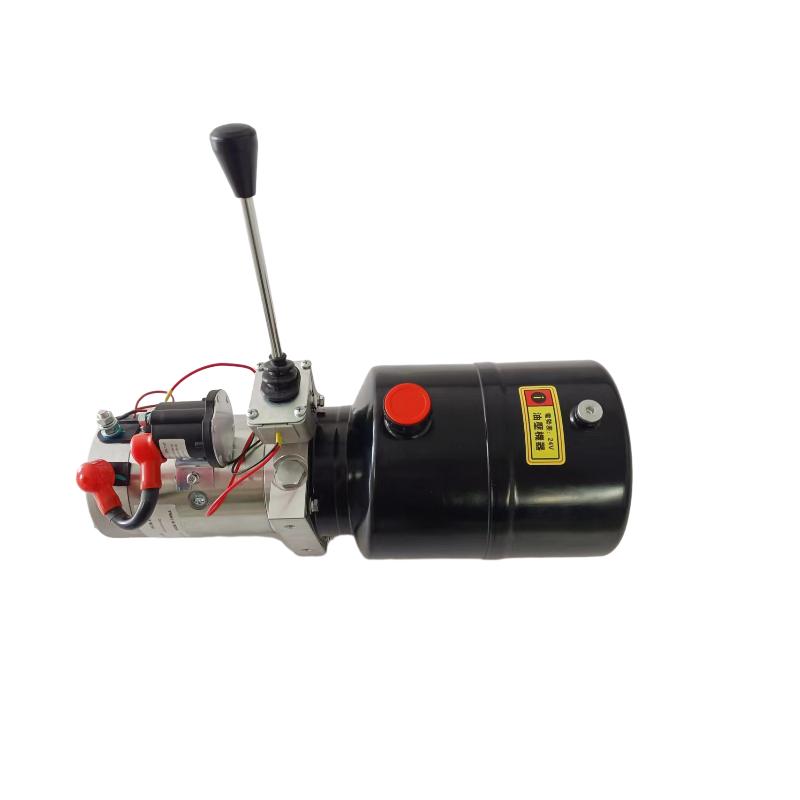
Frequently Asked Questions (FAQ)
Q1: What is the typical lifespan of a fork lift power unit?
A1: With proper maintenance and operating conditions, a high-quality unit can last between 10,000 to 20,000 operating hours. Factors like duty cycle, environmental conditions, and maintenance frequency significantly influence this lifespan.
Q2: Can power units be customized for specific forklift models?
A2: Yes, leading manufacturers offer extensive customization options, including specific voltage, motor power, pump displacement, reservoir design, and control valve configurations to seamlessly integrate with various forklift brands and models.
Q3: What maintenance is required for these power units?
A3: Regular maintenance includes checking hydraulic fluid levels and quality, replacing filters, inspecting electrical connections, and verifying motor and pump performance. Comprehensive service manuals provide detailed schedules.
Q4: What certifications should I look for when sourcing power units?
A4: Essential certifications include ISO 9001 (Quality Management), CE Mark (European conformity), and potentially specific regional certifications like UL or CSA for electrical safety. For hazardous environments, ATEX certification is crucial.
Lead Time, Warranty, and Customer Support
Ensuring a seamless procurement and post-sales experience is critical for B2B clients.
Lead Time & Fulfillment:
Standard lead times for common configurations of Fork lift power units typically range from 4-6 weeks, depending on order volume and specific requirements. For highly customized solutions, lead times may extend to 8-12 weeks to accommodate design, prototyping, and rigorous testing phases. Expedited options may be available for urgent requirements, subject to production schedules.
Warranty Commitments:
Our power units are backed by a comprehensive warranty, typically 12 to 24 months from the date of purchase or installation, covering defects in materials and workmanship. Specific warranty terms are detailed in our product documentation, providing peace of mind and protecting your investment.
Customer Support:
We provide dedicated technical support, including assistance with product selection, installation guidance, troubleshooting, and spare parts availability. Our expert team is accessible via phone, email, and online portals to ensure prompt resolution of any inquiries or issues, minimizing operational disruptions for our clients.
Conclusion
The evolution of Fork lift power units reflects the increasing demands for efficiency, reliability, and sustainability in industrial material handling. From advanced motor technologies to intelligent hydraulic systems and customizable designs, these units are pivotal in driving operational excellence across diverse sectors. By prioritizing robust construction, energy efficiency, and comprehensive support, businesses can ensure their forklift fleets are equipped with the power and precision needed to meet today's complex logistical challenges and prepare for tomorrow's innovations.
References
- ISO 9001:2015 Quality management systems — Requirements. International Organization for Standardization.
- ANSI/NFPA T3.9.28 R2000, Hydraulic fluid power — Pumps — Testing of volumetric and hydraulic power losses. National Fluid Power Association.
- European Commission. "Guide to the application of Directive 2014/34/EU (ATEX)." Publications Office of the European Union, 2017.
- Hydraulic Handbook, 10th Edition. Eaton Corporation.
- Journal of Fluid Power. "Innovations in Electric Hydraulic Systems for Material Handling." Vol. 25, No. 3, 2023.
-
High Quality China Stage Hydraulic Cylinder for Professional Stage
NewsApr.16,2026
-
Guide to Selecting High Quality China Hydraulic Pneumatic Cylinder
NewsApr.09,2026
-
China Top Link Hydraulic Cylinder Solutions for Agricultural and Industrial Needs
NewsApr.07,2026
-
China Snap Ring Hydraulic Cylinder Solutions for Optimal Performance and Reliability
NewsApr.04,2026
-
China ISO Hydraulic Cylinder Solutions for Optimal Equipment Performance
NewsMar.31,2026
-
Comprehensive Guide to China Hydraulic Telescopic Cylinder Solutions
NewsMar.28,2026