
Apr . 09, 2026 02:05 Back to list
Guide to Selecting High Quality China Hydraulic Pneumatic Cylinder
The Ultimate Guide to Selecting a China Hydraulic Pneumatic Cylinder
In the realm of industrial automation and heavy machinery, the efficiency of your operations often depends on the quality of your actuators. A high-performance china hydraulic pneumatic cylinder provides the necessary force and precision to handle demanding tasks, from construction lifting to precise factory assembly. Choosing between hydraulic and pneumatic systems requires a deep understanding of pressure requirements, speed, and environmental constraints. In this comprehensive guide, we will explore the technical nuances, advantages, and selection criteria for these essential components to help you optimize your mechanical systems for maximum productivity.
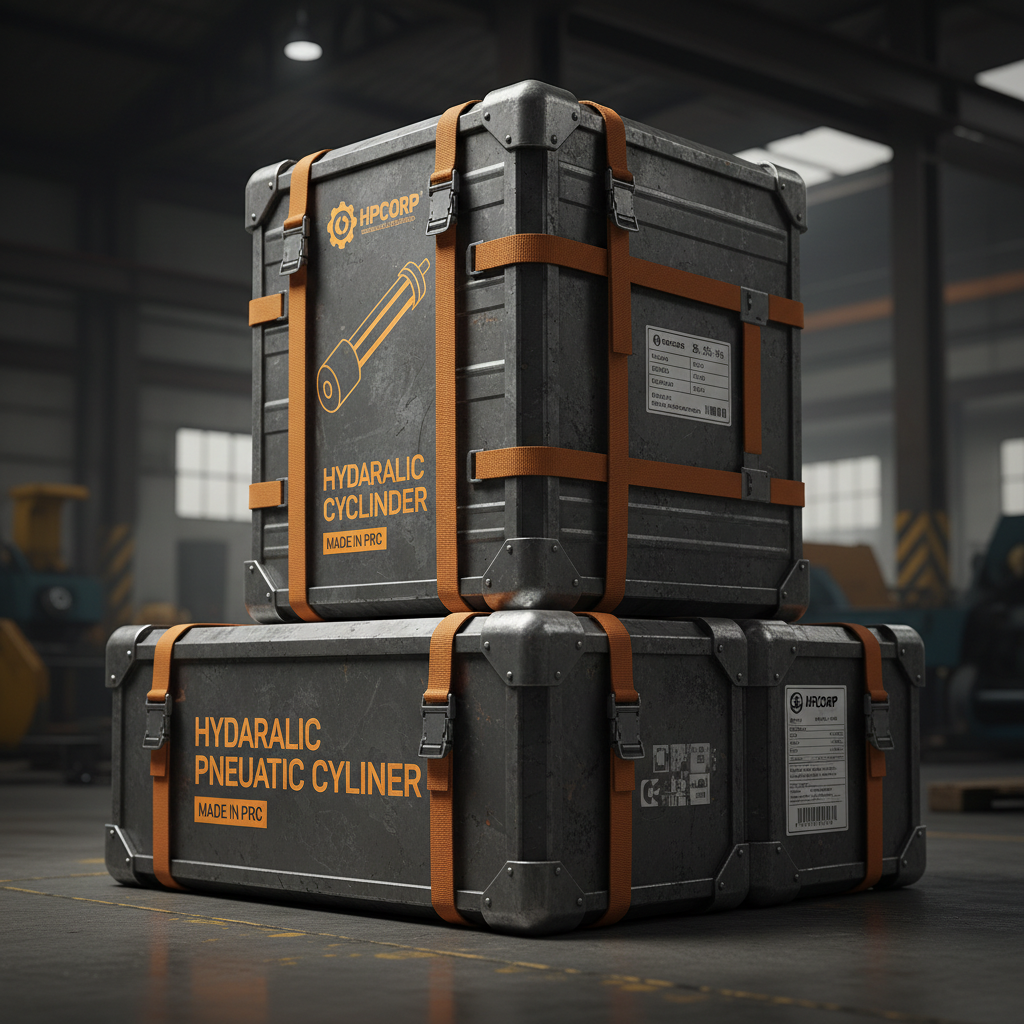
How a China Hydraulic Pneumatic Cylinder Enhances Industrial Power
At its core, the china hydraulic pneumatic cylinder serves as the "muscle" of a machine. While both utilize fluid power, they differ fundamentally in the medium used. Hydraulic cylinders use incompressible liquids (typically oil) to generate immense force, making them ideal for heavy-duty lifting. Pneumatic cylinders use compressed air, offering faster actuation speeds and cleaner operation. By integrating these components from reputable Chinese manufacturers, businesses can achieve a perfect balance between cost-efficiency and industrial-grade durability, ensuring that machinery operates with minimal downtime and maximum reliability.
Pro Tip: When selecting a cylinder, always consider the "Duty Cycle"—the ratio of time the cylinder is active versus resting—to ensure the seals and materials can withstand the thermal load.
Key Differences: Hydraulic vs. Pneumatic Cylinders
Understanding the trade-offs between these two technologies is critical for system design. Hydraulic systems are unrivaled in power density, allowing for the movement of massive loads in a compact space. Conversely, pneumatic systems are highly valued for their speed and the fact that air is readily available and non-flammable. For those sourcing a china hydraulic pneumatic cylinder, comparing these specifications ensures the chosen product matches the application's force requirements and cycle frequency.
Materials and Durability of China Hydraulic Pneumatic Cylinder Systems
The longevity of an actuator depends heavily on the materials used in its construction. Top-tier china hydraulic pneumatic cylinder products utilize hardened steel for rods to prevent bending and high-grade aluminum or cast iron for barrels to resist deformation. Surface treatments such as chrome plating are essential to reduce friction and prevent corrosion in humid or caustic environments. Furthermore, the choice of sealing materials—such as Nitrile or Viton—determines the cylinder's ability to maintain pressure and resist leaks under varying temperature ranges.
Applications of China Hydraulic Pneumatic Cylinder in Modern Industry
From the automotive assembly line to the depths of a mining site, these cylinders are ubiquitous. In the agricultural sector, hydraulic cylinders power the lifts of tractors and harvesters. In pharmaceutical packaging, pneumatic cylinders provide the rapid, clean movement required for bottling and capping. The versatility of the china hydraulic pneumatic cylinder allows it to be customized for specific stroke lengths, bore diameters, and mounting styles, ensuring a seamless fit into any mechanical architecture regardless of the industry.
Technical Specifications for Sourcing the Right Cylinder
When requesting a quote for a china hydraulic pneumatic cylinder, providing precise technical specifications is the only way to ensure operational success. You must define the Bore Diameter (which determines force), the Stroke Length (how far the rod moves), and the Operating Pressure. Below is a typical specification table used by engineers to standardize orders and ensure compatibility with existing pumps and compressors.
Maintenance Best Practices for Maximum Lifespan
To get the most out of your china hydraulic pneumatic cylinder, a proactive maintenance schedule is non-negotiable. For hydraulic systems, monitoring oil purity is paramount; contaminated fluid can score the cylinder walls and destroy seals. For pneumatic systems, ensuring the air is dry and filtered prevents internal rust and valve failure. Regularly inspecting the rod for scratches and checking the mountings for looseness can prevent catastrophic failures and extend the operational life of your equipment by several years.
Conclusion: Optimizing Performance with the Right Cylinder
Whether your application demands the raw power of hydraulics or the agile speed of pneumatics, investing in a high-quality china hydraulic pneumatic cylinder is a strategic move for any industrial operation. By focusing on material quality, precise technical specifications, and diligent maintenance, you can significantly reduce overhead costs and improve the reliability of your machinery. Partnering with a specialized manufacturer ensures you receive a product tailored to your exact needs, driving efficiency and growth in your production line.
Frequently Asked Questions (FAQs)
How do I choose between a hydraulic and a pneumatic cylinder?
The choice primarily depends on the force and speed required. If your application involves lifting several tons or requires extremely precise positioning, a hydraulic cylinder is the correct choice because oil is incompressible. However, if you need rapid, repetitive movements with lighter loads—such as in sorting or light assembly—a pneumatic cylinder is more efficient and cost-effective. Additionally, consider the environment; pneumatics are cleaner, while hydraulics may leak oil, which could be an issue in food or medical industries.
What causes the most common failures in these cylinders?
Seal failure is the most common issue, often caused by contamination in the fluid or air, or by operating the cylinder beyond its temperature limits. In hydraulic systems, "cavitation" (air bubbles in the oil) can also cause internal pitting. For pneumatic systems, moisture in the air lines is a primary culprit, leading to internal corrosion. Implementing a high-quality filtration system and adhering to a regular lubrication schedule for the rods can prevent the vast majority of these failures.
Can a China hydraulic pneumatic cylinder be customized?
Yes, professional manufacturers offer extensive customization options. You can specify the bore size and stroke length to fit your machine's physical constraints. Furthermore, you can choose specific materials for the seals to handle extreme temperatures or corrosive chemicals. Mounting styles (such as clevis, flange, or foot mounts) can also be customized to ensure the cylinder integrates perfectly with your existing chassis. We recommend providing a detailed technical drawing to your supplier to ensure absolute precision.
What is the average lead time for customized industrial cylinders?
Lead times vary depending on the complexity of the customization and the current production volume. For standard sizes, shipping can be very fast. For fully customized china hydraulic pneumatic cylinder orders, lead times typically range from 2 to 6 weeks. This includes the design phase, material sourcing, precision machining, and rigorous pressure testing to ensure the product meets safety standards before it leaves the factory.
-
High Quality China Stage Hydraulic Cylinder for Professional Stage
NewsApr.16,2026
-
Guide to Selecting High Quality China Hydraulic Pneumatic Cylinder
NewsApr.09,2026
-
China Top Link Hydraulic Cylinder Solutions for Agricultural and Industrial Needs
NewsApr.07,2026
-
China Snap Ring Hydraulic Cylinder Solutions for Optimal Performance and Reliability
NewsApr.04,2026
-
China ISO Hydraulic Cylinder Solutions for Optimal Equipment Performance
NewsMar.31,2026
-
Comprehensive Guide to China Hydraulic Telescopic Cylinder Solutions
NewsMar.28,2026