
Oct . 06, 2025 00:25 Back to list
Fork lift power units: compact, low-noise, reliable-why us?
A Field Insider’s Take on Fork lift power units
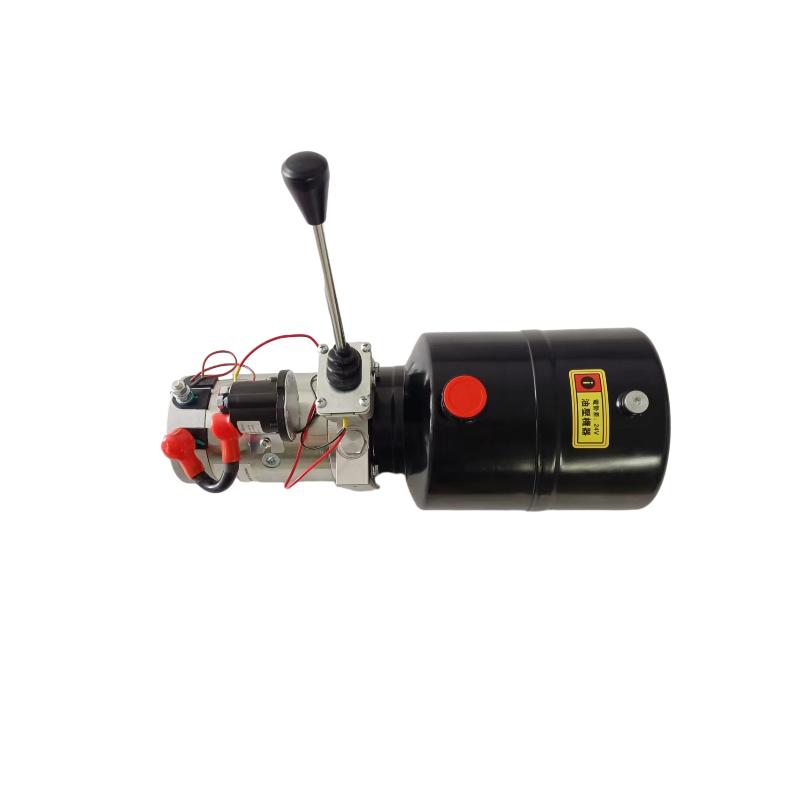
If you’ve ever tried to keep a small fleet of stackers and pallet trucks running through a peak-season crush, you already know: the power unit makes or breaks the day. This model—built in East Village, Dongzao Village, Huanmadian Town, Ningjin County, Hebei (Xingtai, Hebei province)—leans into a pragmatic design: a multi-functional manifold, matched valves, proper tank sizing. The raise/lower is controlled by a manual release valve with an electric motor start switch; lowering speed is stabilized by a pressure-compensated flow control valve. Simple, dependable—honestly, the way many maintenance leads prefer it.
What’s inside (and why it matters)
The manifold is machined to keep pressure losses low and leak points few; the pressure-compensated valve keeps forks descending smoothly, even when the load changes. Many customers say this alone cuts operator complaints dramatically. I guess the charm is in predictable behavior: push, lift; release, settle—no surprises.
Indicative specifications
| Rated system pressure | ≈ 16–20 MPa (real-world use may vary) |
| Pump flow | ≈ 2–8 L/min (matched to motor & load) |
| Motor options | 12/24 VDC; typical 0.8–2.2 kW |
| Reservoir | Steel or alloy, ≈ 3–8 L |
| Oil recommendation | ISO VG 32/46 (ISO 4406 cleanliness targets) |
| Duty cycle | S3 intermittent, ≈ 15–30% |
| Ambient | -20°C to +60°C (with correct oil) |
Process, materials, testing
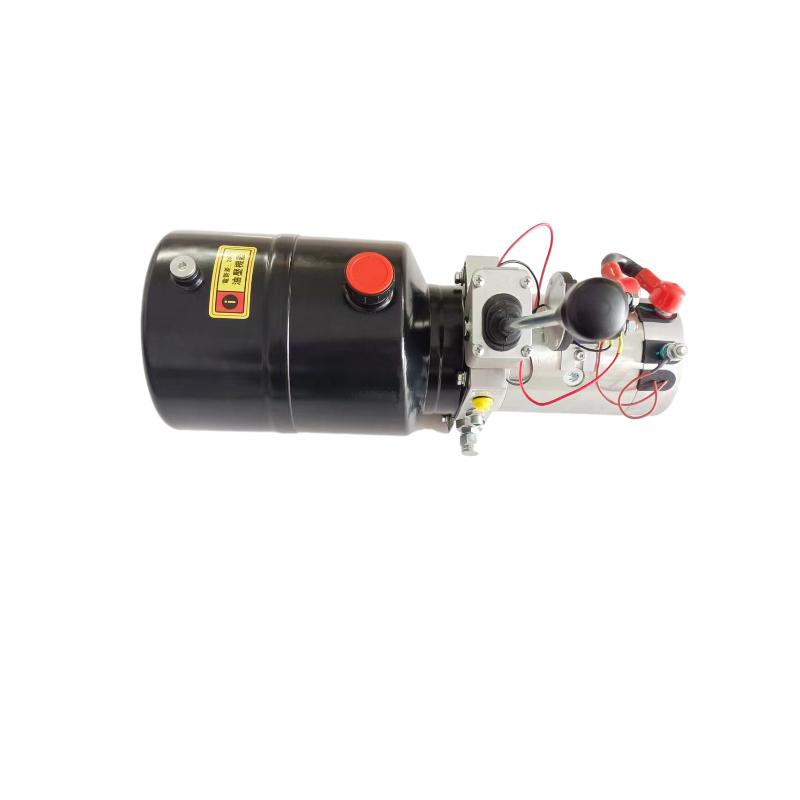
Materials: high-strength alloy steel for gear pump shafts, anodized aluminum or phosphate-coated steel manifold, nitrile or FKM seals depending on temp window. Methods: CNC manifold boring with deburr + flowbench verification, rotor/pump endplay set to micron tolerances, 100% leak testing.
- Pressure proof: 1.5× rated for 60–90 s (ISO 10771 guidance)
- Cycle endurance: ≥ 300k lift/lower cycles on representative load (internal lab, 2024)
- Cleanliness: target ISO 4406 18/16/13 or better at ship
- Electrical: DC motor dielectric per EN/IEC 60204-1; typical IP54 housing
- Service life: around 5–7 years in warehouse duty, assuming OEM maintenance
Where it works best
Walkie stackers, small counterbalance forklifts, order-pickers, AGV/AMR lift modules, and dock lifts. Cold-chain users often specify low-temperature seals; rental houses like the rugged tank and forgiving manual release. In fact, supervisors point to the smooth, controlled lowering as the “operator-calming” feature.
Trend watch
Electrification is old news—what’s new is smarter control. We’re seeing CAN-enabled relays, current-sensing to predict seal wear, and lithium-friendly duty cycles. Also, quieter DC motors (brush and BLDC) are edging in, especially for night-shift urban warehouses. Fork lift power units that keep descent speed constant under variable loads are winning safety votes with HSE managers.
Vendor snapshot (indicative)
| Vendor/Model | Rated Pressure | Customization | Lead Time | Notes |
|---|---|---|---|---|
| Hebei Shenghan Fork lift power units | ≈ 16–20 MPa | Ports, tanks, motors, seals | Around 2–4 weeks | Value-focused; PC flow control standard |
| Bucher Hydraulics (rep. power pack) | Up to ≈ 20 MPa | Wide options; global network | Varies by region | Premium tier; extensive documentation |
| Hengli compact unit | ≈ 18–21 MPa | OEM-oriented | 2–6 weeks | Strong domestic China supply |
| NACHI industrial pack | ≈ 16–20 MPa | Standardized options | Scheduled | Reputation for reliability |
Customization menu
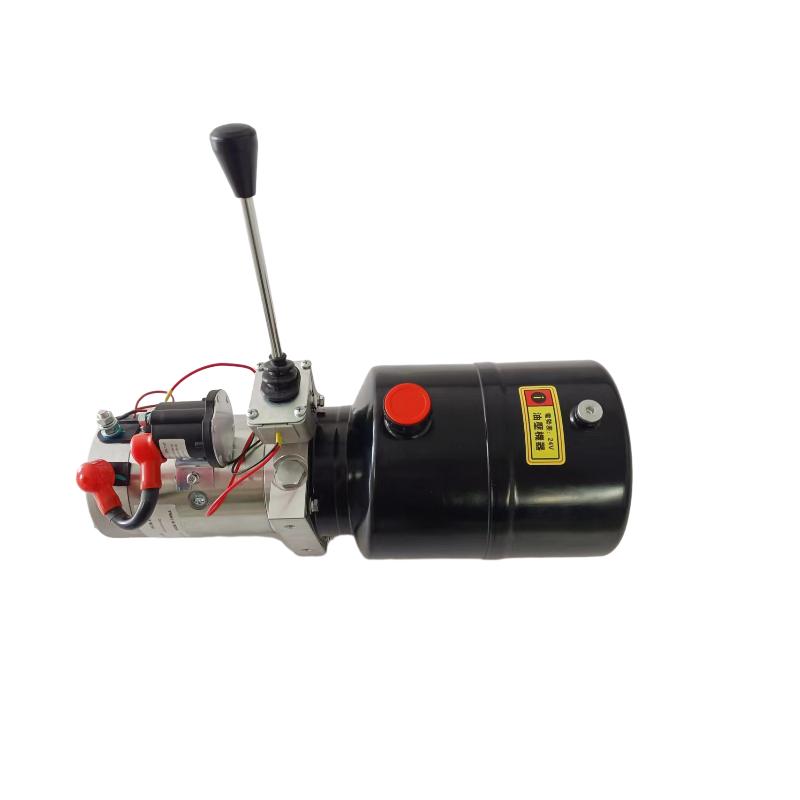
- Voltage: 12/24 VDC; optional BLDC
- Reservoir: 3–8 L; steel or aluminum
- Ports: BSPP/NPT; quick-coupler kits
- Seals: NBR/FKM; low-temp packages
- Controls: microswitch, limit valves, harness lengths, CAN-ready relay blocks
A quick case study
A Southeast Asia e-commerce DC retrofitted 42 walkie stackers with Fork lift power units. After a week of bedding-in, maintenance logged 18% lower motor current draw on average lifts and a 25% faster unload cycle. Operator notes? “Lowering feels steadier,” they said. Shipping from Hebei was straightforward; the team specced ISO VG 32 oil and low-temp seals for the night shift.
Compliance & references
Design and testing aligned with ISO 4413 (hydraulic safety), ISO 10771 (pressure testing), and forklift safety integration under ISO 3691-1. Typical export units ship with CE declaration to the Machinery Directive; UL/IEC electrical conformity available by request. Always match to site rules (OSHA 1910.178 in the U.S.).
-
High Quality China Stage Hydraulic Cylinder for Professional Stage
NewsApr.16,2026
-
Guide to Selecting High Quality China Hydraulic Pneumatic Cylinder
NewsApr.09,2026
-
China Top Link Hydraulic Cylinder Solutions for Agricultural and Industrial Needs
NewsApr.07,2026
-
China Snap Ring Hydraulic Cylinder Solutions for Optimal Performance and Reliability
NewsApr.04,2026
-
China ISO Hydraulic Cylinder Solutions for Optimal Equipment Performance
NewsMar.31,2026
-
Comprehensive Guide to China Hydraulic Telescopic Cylinder Solutions
NewsMar.28,2026