
Sep . 10, 2025 09:00 Back to list
Fork Lift Power Units - High Performance & Reliable Hydraulic Systems
Industry Trends in Fork lift power units
The market for fork lift power units is undergoing significant transformation, driven by demands for greater efficiency, sustainability, and operational intelligence. Key trends include the widespread adoption of electric and hybrid power systems, replacing traditional internal combustion engines. This shift is primarily fueled by stringent emission regulations and a growing emphasis on reducing carbon footprints in industrial operations. Advanced hydraulic systems are being integrated to optimize energy consumption, with features like regenerative braking and variable speed pump control becoming standard. Furthermore, digitalization plays a crucial role, with IoT-enabled sensors providing real-time data for predictive maintenance, performance monitoring, and enhanced safety protocols. The integration of robust control electronics and software allows for finer control over lifting and tilting operations, improving load stability and operational precision. The trend leans towards modular designs, enabling easier maintenance, faster component replacement, and adaptability to diverse forklift models and operational requirements. Manufacturers are also focusing on material innovation to enhance durability and reduce the overall weight of these units, contributing to better energy economy and longer service life.
Another emerging trend is the increasing demand for customized power solutions tailored to specific industry needs, whether it's for heavy-duty applications in steel mills or precision handling in pharmaceutical warehouses. This necessitates close collaboration between power unit manufacturers and forklift OEMs to integrate systems seamlessly. The drive for automation and autonomous forklifts also impacts power unit design, requiring reliable, high-density power delivery with sophisticated communication interfaces. These units are designed to withstand harsh industrial environments, offering features like enhanced ingress protection (IP ratings) against dust and moisture, and robust thermal management systems to ensure consistent performance under extreme operating conditions. This evolution underscores a commitment to delivering not just power, but integrated, intelligent energy management solutions.
Technical Specifications of Fork Lift Power Units
Understanding the technical specifications of fork lift power units is paramount for optimal system integration and performance. These units typically comprise an electric motor (DC or AC), a hydraulic pump, a reservoir, a manifold block with control valves, and various safety components. The motor, often a Permanent Magnet Synchronous Motor (PMSM) or a Brushless DC (BLDC) motor, provides high efficiency and compact design, crucial for limited space. Hydraulic pumps, such as gear pumps or vane pumps, are selected based on required flow rates and pressure, directly influencing lifting speed and capacity. The manifold block integrates critical functions like pressure relief, directional control, and flow regulation, ensuring precise and safe hydraulic operations.
Typical Product Specifications
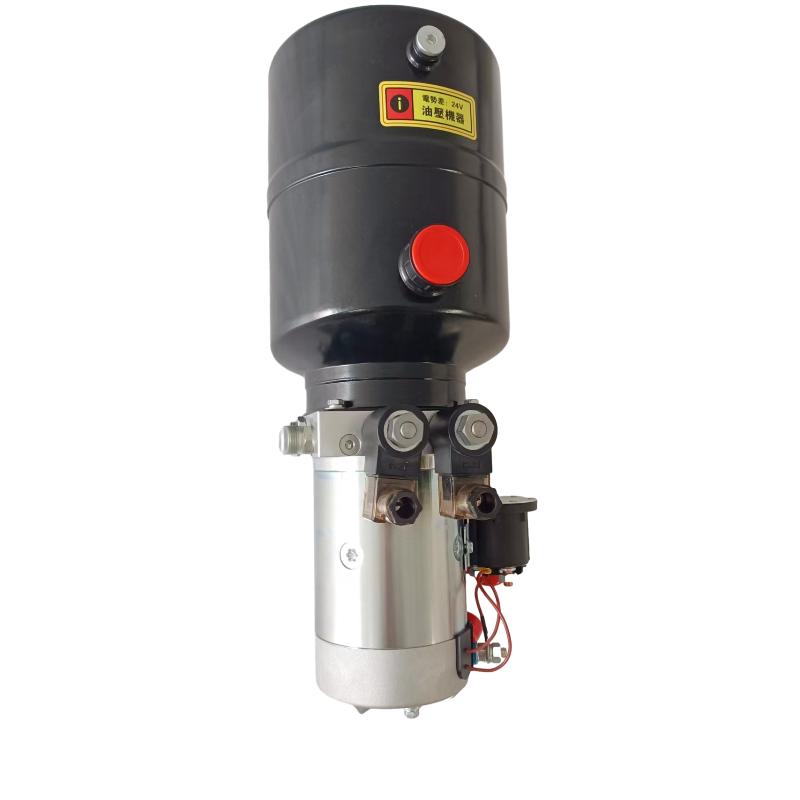
Materials used for hydraulic components typically include high-grade cast iron or aluminum alloys for pump bodies, and hardened steel for gears and shafts, ensuring longevity and resistance to wear. Seals are often made from NBR or Viton, selected based on fluid compatibility and temperature ranges. Electrical components adhere to international standards such as IEC and UL for safety and reliability. The choice of fluid, usually hydraulic oil, also impacts performance, with various viscosities and synthetic options available for specific operating conditions.
Manufacturing Process of Fork Lift Power Units
The manufacturing of fork lift power units is a highly precise and multi-stage process, designed to ensure robust performance and adherence to stringent quality controls. It involves specialized material selection, advanced machining, and rigorous testing protocols.
Process Flow Overview:
- Material Selection & Preparation: High-grade alloys such as ductile iron (for pump housings, manifold blocks) and high-strength steel (for motor shafts, gears) are sourced. Electrical components like copper windings for motors and specialized semiconductors for control units are also acquired. All materials undergo initial quality inspection for composition and integrity.
-
Component Manufacturing:
- Casting/Forging: Primary components like pump bodies and valve blocks are either precision cast (e.g., sand casting for complex shapes) or forged (for high-stress parts like shafts) to achieve desired metallurgical properties and initial form.
- CNC Machining: Components then proceed to advanced CNC machining centers. This stage ensures micron-level tolerances for critical interfaces, such as pump chambers, valve seats, and motor component alignment. Processes include turning, milling, and grinding to achieve precise dimensions and surface finishes.
- Heat Treatment: Steel components are heat-treated (e.g., carburizing, quenching, tempering) to enhance hardness, wear resistance, and fatigue strength, extending service life significantly.
- Surface Treatment: Corrosion-resistant coatings (e.g., zinc plating, phosphating) are applied to external metal parts, especially crucial for units operating in harsh or corrosive environments, enhancing durability and aesthetic appeal.
- Motor Winding & Assembly: Motor stators are precisely wound with high-grade copper wire, insulated, and then integrated with rotors and bearings.
- Sub-Assembly: Individual components like hydraulic pumps, manifold blocks, and motors are assembled as distinct modules. Seals, O-rings, and fasteners are added, maintaining strict cleanliness standards to prevent contamination.
- Final Assembly: The motor, pump, reservoir, manifold, and control electronics are meticulously integrated into the complete power unit. All electrical connections are secured, and hydraulic lines are fitted.
-
Testing and Quality Control:
- Functional Testing: Each unit undergoes comprehensive functional tests, including pressure holding, flow rate verification, motor performance (speed, torque, current draw), and valve operation.
- Leakage Testing: Hydraulic circuits are tested under peak operating pressure to detect any internal or external leaks.
- Endurance/Life Cycle Testing: Random samples undergo accelerated life cycle testing to simulate years of operation, verifying a service life often exceeding 10,000 hours under typical usage conditions.
- Environmental Testing: Units designed for specific conditions may undergo temperature, humidity, and vibration tests.
- Compliance Checks: Verification against standards such as ISO 9001 (Quality Management), ISO 14001 (Environmental Management), CE marking, and relevant ANSI/BIFMA standards for industrial equipment.
- Packaging and Shipment: Units are carefully cleaned, protected, and packaged for safe transit.
Schematic Representation of Manufacturing Flow:
1. Raw Material Sourcing & QC ↓ 2. Component Fabrication (Casting/Forging > CNC Machining > Heat Treatment > Surface Finish) ↓ 3. Motor Assembly ↓ 4. Hydraulic Sub-Assembly (Pump, Manifold, Reservoir) ↓ 5. Final Unit Assembly ↓ 6. Comprehensive Testing (Functional, Leakage, Endurance, Compliance) ↓ 7. Packaging & Logistics
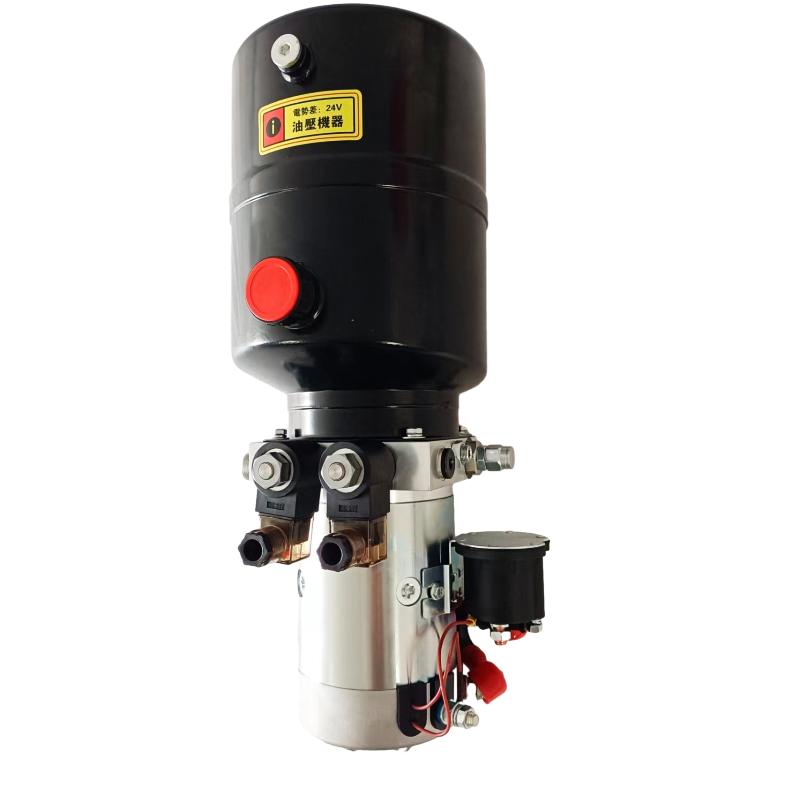
Target industries for these rigorously manufactured units include petrochemical, metallurgy, water supply & drainage, logistics, and automotive sectors. Advantages in typical application scenarios include significant energy saving through optimized hydraulic circuit designs and efficient motor control, often achieving a 15-20% reduction in power consumption compared to older designs. Enhanced corrosion resistance, achieved through advanced material coatings and sealing technologies, ensures reliable operation in demanding environments such as chemical plants or outdoor logistics hubs, extending the unit's operational lifespan and reducing maintenance frequency.
Application Scenarios and Technical Advantages
The versatility of modern fork lift power units allows their deployment across a broad spectrum of industrial and commercial applications. From the demanding conditions of manufacturing floors to the precise movements required in logistics and warehousing, these units are engineered for reliability and efficiency.
Typical Application Scenarios:
- Logistics & Warehousing: Essential for electric pallet trucks, stackers, and reach trucks, enabling efficient material handling, vertical storage, and order picking. Our units ensure smooth lifting and precise lowering, critical for fragile goods.
- Manufacturing & Assembly Lines: Powering AGVs (Automated Guided Vehicles) and smaller electric forklifts used for moving components, finished goods, and equipment within factory settings. Their compact design and quiet operation are ideal for indoor environments.
- Retail & Commercial: Utilized in showrooms, large retail stores, and distribution centers for stocking shelves, managing inventory, and handling incoming shipments. The reliability and low maintenance of these units minimize operational downtime.
- Food & Beverage Industry: Specifically designed units with enhanced corrosion resistance and food-grade hydraulic fluids can be deployed in cold storage facilities and processing plants, meeting strict hygiene standards.
- Construction Sites (Indoor/Light Duty): Used in electric scissor lifts and small forklifts for indoor finishing work, equipment positioning, and material distribution where emissions are a concern.
Technical Advantages:
- High Energy Efficiency: Employing high-performance permanent magnet motors and optimized hydraulic circuits to minimize energy loss. This results in longer battery life for electric forklifts and reduced operational costs. Many units achieve over 90% motor efficiency and up to 85% overall system efficiency.
- Precise Control & Smooth Operation: Advanced proportional valve technology and PWM (Pulse Width Modulation) motor control deliver exceptionally smooth lifting, lowering, and tilting movements. This prevents load shock, reduces wear on mechanical components, and enhances operator safety and comfort.
- Exceptional Durability & Longevity: Constructed with robust materials (e.g., high-strength steel, cast iron, specialized seals) and subjected to rigorous manufacturing processes (CNC precision, heat treatment), ensuring a long service life even under continuous heavy-duty cycles. Our units are engineered for a minimum operational life of 15,000 hours.
- Low Noise & Vibration: Optimized pump and motor designs, coupled with anti-vibration mounts, significantly reduce noise levels, creating a quieter and more ergonomic working environment. This is particularly beneficial for indoor applications and areas with strict noise regulations.
- Compact & Modular Design: Facilitates easy integration into various forklift chassis designs and allows for simplified maintenance and component replacement, reducing downtime and service costs.
- Enhanced Safety Features: Incorporate critical safety elements such as pressure relief valves, thermal overload protection for motors, and emergency stop circuits, complying with international safety standards like EN ISO 13849.
These advantages collectively contribute to a lower total cost of ownership (TCO) for forklift operators, combining reduced energy consumption, minimal maintenance requirements, and extended equipment lifespan. Our customers consistently report improved operational efficiency and enhanced safety, validating the technical superiority of our power units.
Vendor Comparison and Customized Solutions
Leading Vendor Comparison: Fork Lift Power Units
Selecting the right vendor for fork lift power units is crucial for ensuring long-term operational success. While many manufacturers offer standard products, key differentiators lie in efficiency, customization capabilities, after-sales support, and overall value. Below is a comparison table highlighting common attributes:
| Feature/Vendor | Hebei Shenghan (Our Offering) | Vendor A (Competitor) | Vendor B (Competitor) |
|---|---|---|---|
| Motor Efficiency | >90% (PMSM/BLDC) | ~85-88% (DC Series) | >88% (AC Induction) |
| Hydraulic Control | Proportional Valve, Flow Compensation | Fixed Solenoid Valve | Basic Solenoid Valve |
| Noise Level | <65 dB (A) | ~70 dB (A) | ~68 dB (A) |
| Corrosion Resistance | Standard (Zinc Plated), Optional (Marine Grade Coating) | Basic (Painted) | Standard (Painted) |
| Customization Options | High (Motor, Voltage, Tank, Valve Config) | Limited (Voltage, Tank) | Moderate (Motor, Tank) |
| Certifications | ISO 9001, CE, RoHS | CE | ISO 9001 |
| Warranty | 24 Months | 12-18 Months | 12 Months |
Customized Solutions: Tailored to Your Specific Needs
Recognizing that no two applications are identical, we specialize in providing highly customized fork lift power units. Our engineering team works closely with clients from conceptual design to final deployment, ensuring that every unit precisely meets the unique demands of their specific machinery and operational environment. Our customization capabilities include:
- Voltage & Power Configuration: Tailoring motor voltage (e.g., 12V, 24V, 48V, 80V) and power output (1.5 kW to 7.5 kW and beyond) to match forklift specifications and battery systems.
- Hydraulic Circuit Design: Customizing valve blocks for specific functions (e.g., single-acting, double-acting, proportional control for lift/tilt), flow rates, and pressure settings. This includes integration of specialized valves for regenerative lowering or emergency systems.
- Reservoir Capacity & Material: Offering various tank sizes and materials (e.g., steel, plastic, stainless steel for corrosive environments) to fit spatial constraints and environmental conditions.
- Environmental Protection: Providing enhanced IP ratings (e.g., IP65, IP67) for dust and water ingress, and specialized coatings or material selections for corrosion resistance in harsh industrial or outdoor settings.
- Integrated Control Systems: Developing specific wiring harnesses, sensor integrations (e.g., pressure sensors, temperature sensors), and compatible control interfaces for seamless communication with existing forklift control systems.
Our robust R&D department, with over 15 years of experience in hydraulic and electrical system integration, leverages advanced simulation tools (e.g., CFD for fluid dynamics, FEA for structural analysis) to optimize designs before physical prototyping. This ensures that customized solutions are not only precisely tailored but also thoroughly validated for performance and reliability, offering unparalleled fit and function for even the most challenging applications. We pride ourselves on rapid prototyping and efficient production cycles for custom orders, often delivering bespoke units within 4-6 weeks of design finalization.
Application Case Studies
Case Study 1: High-Efficiency Unit for Large-Scale Distribution Center
Client: Global Logistics Provider, operating a network of high-volume distribution centers.
Challenge: The client sought to upgrade its fleet of electric pallet trucks and reach trucks, aiming to reduce energy consumption by at least 15% and extend operational shifts without recharging. Their existing power units were nearing end-of-life and exhibited inconsistent performance under heavy load cycles.
Solution: We provided customized power units featuring 48V AC PMSM motors (3.0 kW) paired with high-efficiency gear pumps and intelligent proportional valve controls. These units were designed with an enhanced regenerative lowering function, feeding energy back into the battery during descent. Our engineering team worked with the client to integrate the units seamlessly into their existing forklift chassis, ensuring compatibility with their charging infrastructure.
Results: Post-implementation, the client reported an average 18% reduction in energy consumption per shift, directly translating to a 10-12% increase in operational time between charges. This led to a significant decrease in daily charging cycles and an estimated annual savings of over $50,000 across their upgraded fleet of 50 forklifts. The smoother operation also reduced product damage rates by 5%, further enhancing efficiency. The client praised the units' robust performance and the comprehensive technical support provided during the transition.
Case Study 2: Corrosion-Resistant Unit for Seafood Processing Plant
Client: Leading seafood processing and packaging facility, operating in a highly corrosive, humid, and low-temperature environment.
Challenge: Standard fork lift power units in their environment were failing prematurely due to corrosion of metal components and degradation of seals, leading to frequent maintenance and high replacement costs. They required units that could withstand constant exposure to saltwater, cleaning agents, and sub-zero temperatures.
Solution: We developed specialized power units with stainless steel reservoirs, marine-grade epoxy coatings on motor housings, and Viton seals throughout the hydraulic system. All external fasteners were made of marine-grade stainless steel. The units were also equipped with a specialized low-temperature hydraulic fluid to maintain viscosity and performance in cold conditions. Furthermore, the electrical connections received an IP67 rating for superior water and dust ingress protection.
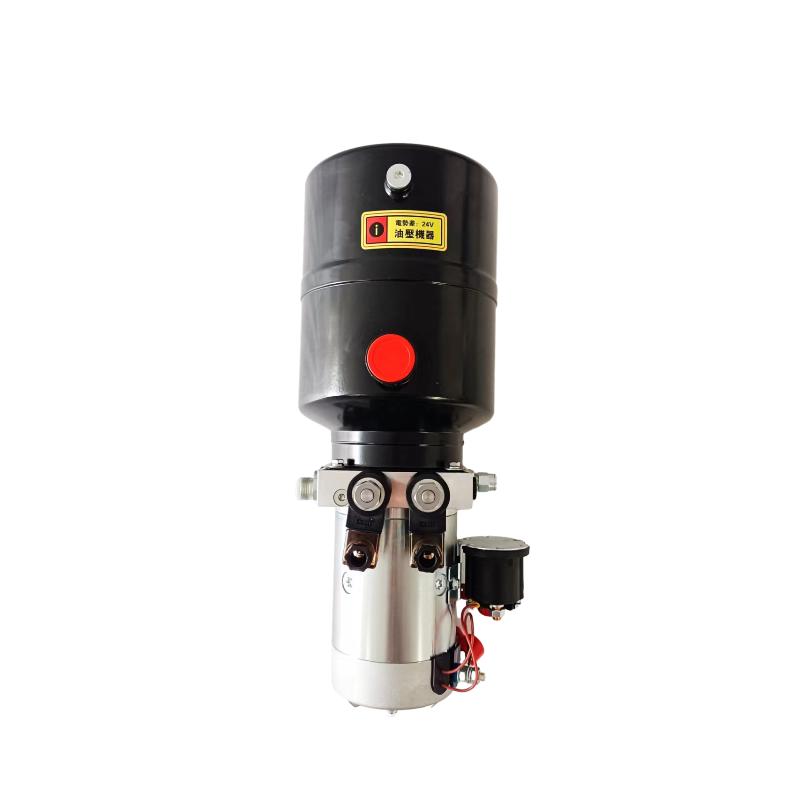
Results: After 24 months of operation, the customized power units showed no signs of external corrosion or internal leakage, a stark contrast to the 6-9 month lifespan of previous units. This extended lifespan resulted in a 75% reduction in annual maintenance costs related to power unit failures and a significant boost in operational uptime, contributing to uninterrupted production. The client lauded our ability to engineer a solution that truly understood and overcame their unique environmental challenges, affirming our expertise in bespoke hydraulic systems.
Frequently Asked Questions (FAQ)
Q: What is the expected service life of your fork lift power units?
A: Our power units are engineered for high durability, with an expected service life exceeding 15,000 operating hours under normal conditions. This is achieved through rigorous material selection, precision manufacturing, and comprehensive testing.
Q: Are your power units compatible with all major forklift brands?
A: While we offer standard units compatible with many common forklift models, our strength lies in customization. We can design and manufacture units to seamlessly integrate with virtually any forklift brand or specialized industrial equipment, adapting dimensions, mounting points, and control interfaces as needed.
Q: What kind of maintenance do these units require?
A: Our units are designed for minimal maintenance. Regular checks include hydraulic fluid level and quality, filter replacement, and inspection of electrical connections and seals. Detailed maintenance schedules are provided with each unit, typically aligning with standard forklift service intervals.
Q: What is your typical lead time for orders?
A: For standard configurations, our lead time is typically 2-4 weeks. For highly customized units, the lead time can range from 4-8 weeks, depending on the complexity of design and specific component sourcing. We provide clear lead time estimates upon quotation.
Q: What warranty do you offer on your power units?
A: We offer a comprehensive 24-month warranty on all our power units, covering manufacturing defects and material failures under normal operating conditions. Extended warranty options are available upon request.
Q: How do you handle after-sales support and spare parts?
A: Our dedicated after-sales support team is available via phone, email, and online portal for technical assistance and troubleshooting. We maintain a comprehensive inventory of spare parts, ensuring prompt delivery to minimize downtime. On-site technical support can also be arranged for complex issues.
Contact & Authoritative References
For detailed inquiries, customized solutions, or to request a quotation, please visit our website or contact our sales and engineering team directly. With over 15 years of industry experience, a commitment to ISO 9001 certified quality management, and a track record of serving prominent clients across various industrial sectors, Hebei Shenghan is your trusted partner for high-performance hydraulic solutions.
We invite you to explore our full range of products and technical capabilities at www.hebeishenghan.com.
Authoritative References:
- ISO 9001:2015 Quality Management Systems – Requirements. International Organization for Standardization.
- European Standard EN ISO 13849-1:2015, Safety of machinery – Safety-related parts of control systems.
- National Fluid Power Association (NFPA) Technical Standards.
- Hydraulics & Pneumatics Magazine, Industry Insights and Technical Articles.
- Electric Forklift Power Trends: A Global Market Analysis, 2023.
-
High Quality China Stage Hydraulic Cylinder for Professional Stage
NewsApr.16,2026
-
Guide to Selecting High Quality China Hydraulic Pneumatic Cylinder
NewsApr.09,2026
-
China Top Link Hydraulic Cylinder Solutions for Agricultural and Industrial Needs
NewsApr.07,2026
-
China Snap Ring Hydraulic Cylinder Solutions for Optimal Performance and Reliability
NewsApr.04,2026
-
China ISO Hydraulic Cylinder Solutions for Optimal Equipment Performance
NewsMar.31,2026
-
Comprehensive Guide to China Hydraulic Telescopic Cylinder Solutions
NewsMar.28,2026