
Sep . 19, 2025 10:25 Back to list
Durable Auto Hoist Power Units | Hydraulic Lift Pumps
Navigating the Landscape of Auto Hoist Power Units: Trends and Innovations
In the automotive service industry, the reliability and efficiency of lifting equipment are paramount. At the heart of most hydraulic lifting systems, particularly vehicle hoists, lies the Auto hoist power units. These essential components are undergoing significant evolution, driven by demands for increased safety, energy efficiency, and operational precision.
Current industry trends highlight a shift towards more compact, quieter, and digitally integrated power units. Manufacturers are focusing on advanced motor technologies, such as IE3/IE4 efficiency rated electric motors, to reduce energy consumption and operational costs. Furthermore, the integration of smart control systems allows for finer control over lifting and lowering speeds, enhancing safety and preventing wear on mechanical components. The global market for hydraulic power units, including those for auto hoists, is projected to grow steadily, reflecting continued investment in automotive infrastructure and maintenance facilities worldwide, with a compound annual growth rate (CAGR) of around 4-5% through 2028, driven by advancements in automation and material handling.
Material science also plays a crucial role, with developments in corrosion-resistant materials for reservoirs and high-pressure components ensuring extended service life, especially in demanding workshop environments where exposure to various chemicals and moisture is common. The emphasis on user-friendly interfaces and modular designs further facilitates easier installation, maintenance, and potential upgrades, making modern power units a more adaptable solution for diverse lifting applications.
Technical Specifications and Components of Auto Hoist Power Units
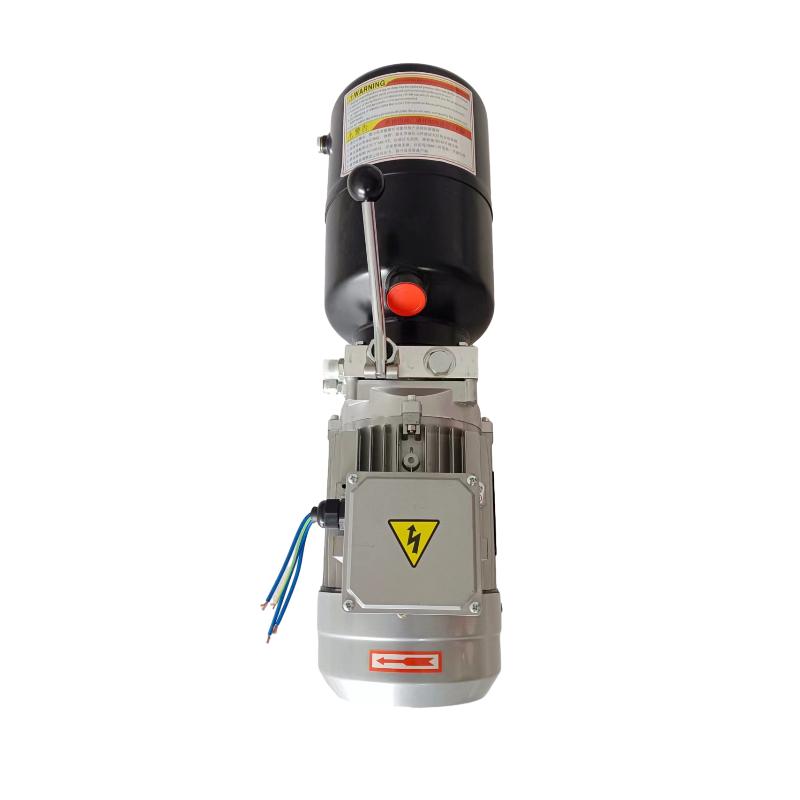
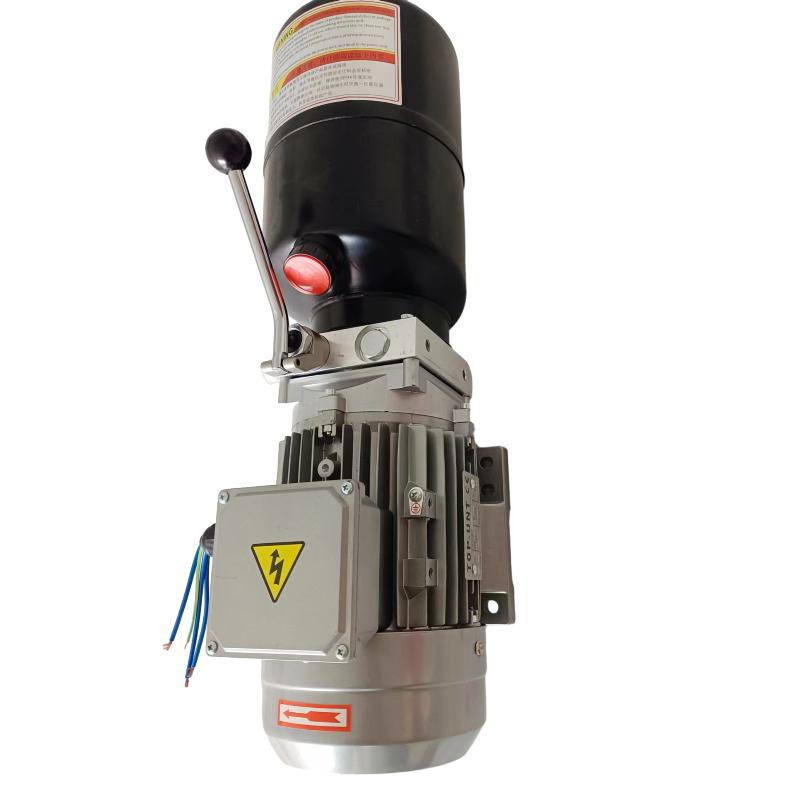
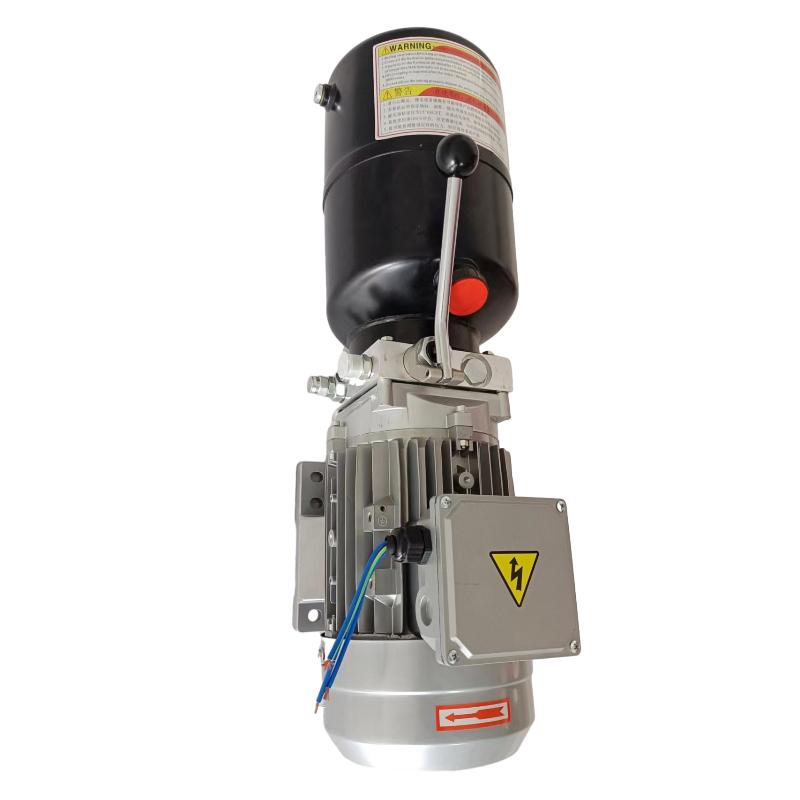
A comprehensive understanding of the technical specifications and core components is vital for selecting the appropriate Auto hoist power units. These units typically consist of an electric motor, a hydraulic pump, a fluid reservoir, and a valve manifold.
- Electric Motor: The prime mover, converting electrical energy into mechanical energy. Common specifications include horsepower (HP), voltage (V), phase (single or three), and frequency (Hz). Modern units often feature totally enclosed, fan-cooled (TEFC) motors for durability and reduced noise.
- Hydraulic Pump: Usually a gear pump or vane pump, responsible for converting mechanical energy into hydraulic energy by creating fluid flow. Key parameters are flow rate (GPM - gallons per minute or LPM - liters per minute) and maximum operating pressure (PSI - pounds per square inch or bar).
- Fluid Reservoir: Stores the hydraulic fluid. Capacity is crucial for heat dissipation and accommodating fluid volume changes during operation. Materials are often steel or high-density polyethylene (HDPE) for corrosion resistance.
- Valve Manifold: An integrated block containing various control valves (e.g., relief valve for pressure regulation, check valve for preventing backflow, directional control valves for lifting/lowering) that manage fluid flow and system pressure.
- Filtration System: Often includes suction strainers and return line filters to maintain fluid cleanliness, extending the life of hydraulic components.
The interaction of these components ensures the precise and powerful operation required for safely lifting heavy vehicles. Engineers and technicians assess these parameters to match the power unit with the hoist's load capacity and operational cycle requirements.
Typical Product Specification Table
The Precision Manufacturing Process of Auto Hoist Power Units
The manufacturing of high-quality Auto hoist power units is a multi-stage process, meticulously controlled to ensure durability, performance, and compliance with international standards. Each step is critical for the long service life and reliable operation of the final product.
Manufacturing Process Flow:
- Material Selection and Sourcing:
- Motors: High-efficiency copper windings, robust cast iron or aluminum housings.
- Pumps: High-grade steel or aluminum for gears/vanes, precision-machined casings.
- Reservoirs: Heavy-gauge steel (cold-rolled or stainless) for durability and corrosion resistance (e.g., ANSI 304/316 for stainless), or durable polymers.
- Valves: Forged brass or steel, heat-treated for wear resistance.
Schematic: `[Raw Materials (Steel, Copper, Aluminum, Polymers)] -> [Quality Inspection]`
- Component Fabrication:
- Casting/Forging: For pump housings, valve bodies, and some motor components. This process imparts superior strength and grain structure.
- CNC Machining: Precision machining of pump gears, valve spools, motor shafts, and manifold blocks. Tolerances are often within microns to ensure optimal hydraulic sealing and efficiency.
- Reservoir Fabrication: Cutting, bending, and welding of steel sheets, followed by thorough cleaning and often powder coating for enhanced corrosion resistance.
Schematic: `[Casting/Forging] -> [CNC Machining] -> [Welding/Assembly (Sub-components)]`
- Assembly:
- Integration of motor, pump, reservoir, and valve manifold.
- Installation of pressure gauges, fluid level indicators, and electrical wiring.
- Careful sealing to prevent leaks.
Schematic: `[Motor Assembly] + [Pump Assembly] + [Reservoir] + [Valve Manifold] -> [Final Assembly]`
- Testing and Quality Assurance:
- Performance Testing: Each unit undergoes rigorous testing for flow rate, pressure output, motor RPM, and noise levels under various load conditions.
- Leakage Testing: Pressure holding tests to detect any hydraulic fluid leaks.
- Electrical Safety Tests: Insulation resistance, ground continuity, and functional tests according to standards like UL, CE, and ISO.
- Durability & Life Cycle Testing: Random batch testing for extended operational cycles to predict and ensure a minimum service life, typically projecting 10-15 years under normal operating conditions.
Schematic: `[Performance Test] -> [Leakage Test] -> [Electrical Test] -> [Final QC]`
- Surface Treatment and Packaging:
- Protective coatings, such as powder coating or industrial paints, are applied for enhanced corrosion resistance, especially vital for units exposed to harsh automotive fluids or outdoor conditions.
- Units are carefully packaged to prevent damage during transit, often using custom-fit foam or robust crating.
Schematic: `[Surface Treatment (e.g., Powder Coating)] -> [Packaging]`
These processes adhere strictly to international manufacturing and quality standards such as ISO 9001 for quality management systems and ANSI/UL standards for safety and electrical compliance. The target industries for these robust power units extend beyond general automotive service to specialized applications in sectors like petrochemicals (for controlled fluid transfer systems), metallurgy (for heavy-duty material handling equipment), and water supply & drainage (for operating large valve systems), where their reliability and specific advantages such as superior corrosion resistance and energy-saving designs are highly valued. For instance, in an energy-intensive metallurgical plant, an optimized Auto hoist power units designed for high efficiency can reduce energy consumption by up to 15% compared to older models, leading to significant operational cost savings over its extended service life.
Versatile Application Scenarios for Auto Hoist Power Units
The adaptability of Auto hoist power units makes them indispensable across a broad spectrum of lifting and material handling applications. While their primary association is with vehicle service, their robust hydraulic capabilities translate to many other industrial settings.
Key Application Areas:
- Automotive Service & Repair Shops: The most common application, powering two-post, four-post, and scissor lifts for vehicle maintenance, inspections, and repairs. The units ensure quick, smooth, and safe elevation and lowering of vehicles.
- Heavy Vehicle & Fleet Maintenance: Larger, more robust power units are deployed for lifting trucks, buses, and specialized fleet vehicles. These units are designed for continuous duty cycles and heavier loads.
- Material Handling & Logistics: Integrated into hydraulic lift tables, pallet stackers, and dock levelers. They provide the necessary force for precise positioning and elevation of goods, enhancing operational efficiency and worker safety in warehouses and distribution centers.
- Industrial Manufacturing: Powering custom hydraulic presses, assembly line lifts, and jigs. Their controlled force and precise movement are critical in manufacturing processes requiring exact positioning.
- Construction Equipment: While often integrated directly into machinery, standalone units can power hydraulic cylinders for temporary lifting or support structures on job sites.
In typical scenarios, the advantages are multifold. For example, in a high-volume automotive repair shop, an energy-saving Auto hoist power units equipped with an efficient motor can reduce electricity consumption for hoist operations by up to 20%, translating to significant savings over a year. For applications in car washes or outdoor service bays, models designed with enhanced corrosion resistance (e.g., stainless steel reservoirs and epoxy-coated components) withstand harsh environments, drastically extending their operational lifespan compared to standard units. Customer feedback from large auto service chains consistently highlights improved uptime and reduced maintenance costs when transitioning to advanced power unit designs.
Technical Advantages and Performance Excellence
The inherent design and engineering of modern Auto hoist power units offer a suite of technical advantages critical for operational excellence and safety in demanding environments.
- Superior Durability & Reliability: Constructed from robust materials like heavy-gauge steel for reservoirs, precision-machined cast iron or aluminum for pump bodies, and industrial-grade electric motors, these units are designed for long-term, heavy-duty use. This ensures minimal downtime and a significantly extended operational lifespan.
- Precision Control: Advanced valve manifolds with high-quality check, relief, and lowering valves enable precise control over lifting and lowering speeds. This minimizes shock loads, protects mechanical components, and enhances operator safety.
- Enhanced Safety Features: Integrated pressure relief valves prevent system over-pressurization, protecting both the unit and the hoist. Optional emergency stop buttons and manual lowering functions provide additional safety measures in power outage scenarios.
- Energy Efficiency: Utilization of high-efficiency IE3/IE4 electric motors and optimized pump designs minimizes energy consumption. This translates into lower operating costs and a reduced carbon footprint for businesses, aligning with modern sustainability goals.
- Reduced Noise Operation: Improved motor and pump designs, coupled with effective dampening techniques, lead to significantly quieter operation. This contributes to a more comfortable and compliant working environment, especially in enclosed service bays.
- Ease of Maintenance: Modular construction, easily accessible components, and clear fluid level indicators simplify routine maintenance tasks such as fluid checks and filter replacements, reducing service intervals and costs.
These technical advantages are not merely theoretical; they translate directly into tangible operational benefits. Businesses using advanced power units report fewer breakdowns, lower energy bills, and a safer working environment, contributing directly to their bottom line and adherence to stringent industry standards like ANSI/ALI ALCTV for car lifts.
Vendor Comparison and Customized Solutions
Choosing the right vendor for Auto hoist power units involves evaluating several critical factors beyond initial price. Performance, reliability, support, and the ability to customize are paramount for long-term operational success.
Key Considerations for Vendor Selection:
- Product Quality & Certifications: Look for vendors with ISO 9001 certified manufacturing, CE, ETL, or UL certifications on their products, ensuring adherence to rigorous quality and safety standards.
- Technical Support & Warranty: Assess the depth of pre-sales consultation and post-sales support, including parts availability and warranty duration. A strong warranty (e.g., 2-5 years) signifies manufacturer confidence.
- Customization Capabilities: The ability to tailor units to specific operational requirements is a significant differentiator.
- Reputation & Industry Experience: Vendors with a long history and positive client testimonials demonstrate proven reliability and expertise.
Hypothetical Vendor Comparison Table
Customized Solutions
For specialized industrial applications or unique hoist designs, standard off-the-shelf Auto hoist power units may not suffice. Leading manufacturers offer extensive customization options, including:
- Voltage & Phase Configuration: Adapting to diverse global electrical standards (e.g., 50Hz/60Hz, various single and three-phase voltages).
- Flow Rate & Pressure Adjustment: Tailoring pump output to achieve specific lift speeds and load capacities.
- Reservoir Size & Material: Custom capacities for unique stroke lengths or specific fluid types (e.g., bio-degradable hydraulic fluids) and materials for extreme environments (e.g., stainless steel for food processing or marine applications).
- Control Systems: Integration with specific PLC systems, wireless remote controls, or advanced safety interlocks.
- Environmental Adaptations: Special coatings, sealed enclosures, or low-temperature hydraulic fluids for operation in harsh climates or corrosive industrial settings.
Engaging with a vendor capable of such bespoke solutions ensures optimal performance and seamless integration with existing infrastructure, maximizing operational efficiency and minimizing potential compatibility issues.
Application Case Studies: Real-World Performance
Real-world application case studies demonstrate the tangible benefits and reliability of high-quality Auto hoist power units in diverse operational contexts.
Case Study 1: Large Automotive Dealership Service Center
A major automotive dealership group, operating a network of 15 service centers, faced increasing energy costs and hoist downtime with their aging hydraulic power units. They transitioned to a new line of energy-efficient 3HP, 220V three-phase units featuring IE3 motors and enhanced valve manifolds. Over 12 months, the group reported a 15% reduction in electricity consumption specifically for hoist operations across their network, equating to an estimated annual saving of over $50,000. Furthermore, hoist uptime improved by 8%, attributed to the new units' superior reliability and precision control, reducing wear on the hoist mechanisms. Maintenance technicians noted easier fluid checks and filter changes due to intelligent design.
Case Study 2: Industrial Parts Manufacturing Facility
An industrial facility producing heavy metal components utilized custom hydraulic lift tables integrated into their assembly line. The existing power units struggled with continuous heavy loads and showed signs of rapid corrosion due to coolant exposure. They opted for customized power units with stainless steel reservoirs, IP65-rated motors, and specialized corrosion-resistant coatings. The new units significantly extended the service life of the hydraulic systems by preventing premature wear from corrosion and contamination. After two years of continuous operation, these units showed minimal degradation, whereas previous units required significant overhaul or replacement every 12-18 months. The facility observed a 30% reduction in maintenance-related downtime for these critical lifting points.
Case Study 3: Municipal Water Treatment Plant
A municipal water treatment plant required reliable hydraulic power for large flow control valve actuators and emergency sluice gate operations. These applications demanded robust units capable of consistent operation in a damp, chemically active environment. They implemented specialized power units with enhanced moisture protection, high-grade sealing, and marine-grade protective coatings. The units integrated seamlessly with the plant's SCADA system for remote monitoring and control. Post-installation, the plant reported zero operational failures related to the power units over three years, significantly improving the reliability of critical infrastructure control and ensuring uninterrupted service to the community. The system's ability to operate in highly corrosive conditions, resistant to various wastewater chemicals, proved invaluable.
Ensuring Trust: Certifications, Support, and Guarantees
Establishing trust and ensuring long-term satisfaction for B2B clients demands more than just a quality product. It requires robust certifications, clear commitments on lead times, comprehensive warranty, and reliable customer support.
Authoritative Compliance & Certifications
Our manufacturing processes and Auto hoist power units adhere to stringent international standards, underpinning their quality and reliability:
- ISO 9001:2015 Certified: Demonstrates our commitment to a robust quality management system across all stages, from design to after-sales service.
- CE Compliant: All units meet the essential health and safety requirements for products sold within the European Economic Area.
- ETL Listed/UL Compliant: Products designed for North American markets comply with rigorous electrical safety standards.
- Experienced Partner Clients: Our units are trusted by leading automotive service chains, industrial equipment manufacturers, and municipal facilities worldwide, leveraging over 20 years of industry experience.
Frequently Asked Questions (FAQ)
- Q: How do I select the correct power unit for my hoist?
- A: Selection depends on your hoist's lifting capacity, required lift speed, reservoir capacity, and available electrical supply (voltage, phase). Consult your hoist manufacturer's specifications or contact our technical support for tailored guidance.
- Q: What maintenance is required for a hydraulic power unit?
- A: Regular maintenance includes checking the hydraulic fluid level and quality, inspecting for leaks, cleaning filters, and periodically checking electrical connections. Refer to the specific product manual for detailed schedules.
- Q: Can your power units operate in extreme temperatures?
- A: Standard units operate effectively in typical workshop temperatures. For extreme hot or cold environments, we offer customized solutions with specialized hydraulic fluids and robust enclosures. Please discuss your specific needs with our sales team.
- Q: What is the typical service life of your power units?
- A: With proper installation and routine maintenance, our Auto hoist power units are engineered for a service life of 10-15 years, often exceeding this in less demanding applications.
Lead Time & Fulfillment
We maintain an efficient manufacturing and supply chain to ensure timely delivery. Standard units typically have a lead time of 2-4 weeks from order confirmation. Customized units may require 6-8 weeks, depending on complexity and component availability. Expedited options are available upon request to meet urgent project deadlines.
Warranty Commitments
All our Auto hoist power units come with a comprehensive 2-year warranty against manufacturing defects and material failures. Extended warranty options up to 5 years are available for critical industrial applications, providing our clients with unparalleled peace of mind and protection for their investment. Our warranty terms are transparent and fully supported by our dedicated service team.
Customer Support & After-Sales Service
Our commitment extends beyond product delivery. We offer:
- Dedicated Technical Assistance: Expert engineers available to provide installation guidance, troubleshooting, and operational support.
- Genuine Spare Parts: A readily available inventory of genuine components ensures quick repairs and minimal operational interruptions.
- Service Network: Access to a network of certified service partners for on-site support and maintenance.
- Training & Documentation: Comprehensive manuals and training resources to empower your team for optimal unit performance and longevity.
Conclusion
The modern Auto hoist power units represent a critical investment for any business relying on hydraulic lifting. Through rigorous manufacturing, adherence to global standards, and continuous innovation in efficiency and durability, these units deliver not only the essential power for operation but also significant advantages in safety, cost-effectiveness, and environmental responsibility. Partnering with a reputable manufacturer that prioritizes customization and robust after-sales support ensures optimal performance and a maximized return on investment for years to come.
References
- ISO. (2015). ISO 9001:2015 Quality management systems — Requirements. International Organization for Standardization.
- MarketsandMarkets. (2023). Hydraulic Power Unit Market - Global Forecast to 2028.
- Automotive Lift Institute (ALI). (2022). ANSI/ALI ALCTV Standard for Automotive Lifts - Safety Requirements for Construction, Testing, and Validation.
-
High Quality China Stage Hydraulic Cylinder for Professional Stage
NewsApr.16,2026
-
Guide to Selecting High Quality China Hydraulic Pneumatic Cylinder
NewsApr.09,2026
-
China Top Link Hydraulic Cylinder Solutions for Agricultural and Industrial Needs
NewsApr.07,2026
-
China Snap Ring Hydraulic Cylinder Solutions for Optimal Performance and Reliability
NewsApr.04,2026
-
China ISO Hydraulic Cylinder Solutions for Optimal Equipment Performance
NewsMar.31,2026
-
Comprehensive Guide to China Hydraulic Telescopic Cylinder Solutions
NewsMar.28,2026