Top Tips for Choosing High Quality Hydraulic Cylinder Suppliers
Identifying reliable partners in the hydraulic industry requires a deep understanding of how precision components translate to machine uptime. For OEMs in the agricultural and automotive sectors, the difference between a standard component and a high-performance actuator lies in the microscopic tolerances of the grinding tube and the chemical integrity of the surface plating. When searching for high quality hydraulic cylinder suppliers, procurement managers must look beyond simple catalog specifications and examine the actual manufacturing processes that ensure longevity in harsh environments, such as paddy fields or mining sites.
Hebei Shenghan Hydraulic Machinery Co., Ltd. addresses these critical needs by integrating diversified production capabilities with a focus on custom engineering. Whether it is the specialized demands of a sanitation truck's lifting system or the precise force required for a forklift clamp, the synergy between material selection and sealing technology determines the operational lifecycle of the equipment. This guide examines the technical benchmarks and application-specific requirements essential for selecting industrial-grade hydraulic solutions.

Precision Engineering Standards for Industrial Hydraulic Actuators
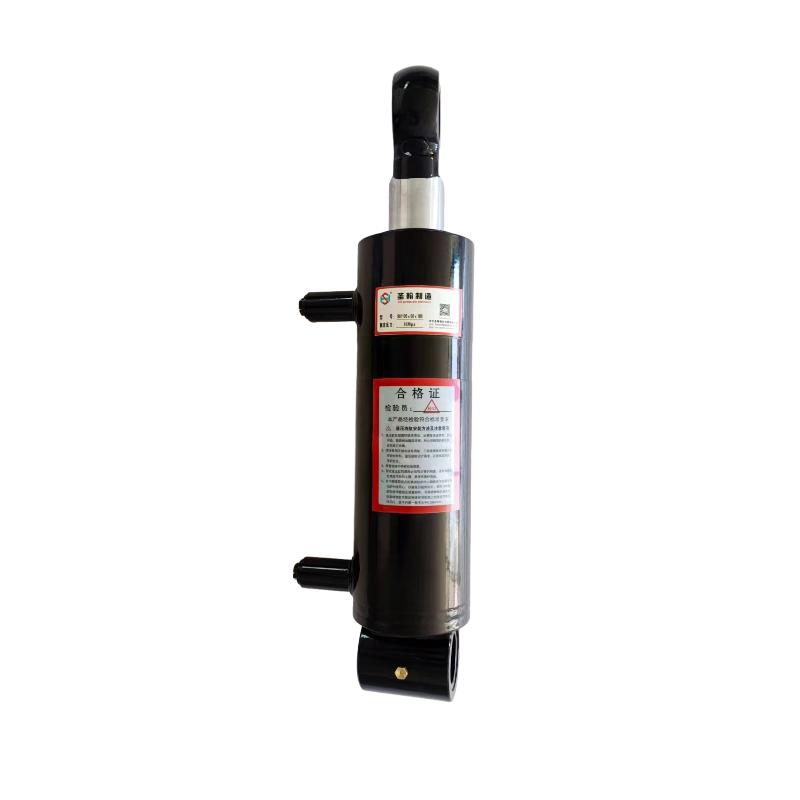
The reliability of a hydraulic cylinder is fundamentally rooted in its internal geometry and surface treatment. High-performance cylinders utilize precision grinding tubes to ensure a perfect seal and minimal friction during the stroke. A critical technical detail often overlooked is the unilateral chrome plating, typically maintained at a 0.02mm tolerance, which prevents premature wear and protects the piston rod from corrosive elements in the field.
Beyond the rod, the piston and guide sleeves undergo rigorous steel parts processing to maintain concentricity. The integration of Indel seals provides a robust barrier against leakage, which is the most common cause of system failure in hydraulic power units. To further enhance durability, the product surface is treated with spray alcohol and a protective gray paint layer, ensuring that the exterior remains resilient against oxidation and physical impact in heavy-duty industrial applications.
Customization is not merely an option but a necessity in the modern manufacturing landscape. By adjusting the piston rod and grinding tube specifications, engineers can tailor the cylinder to meet specific load-bearing requirements and stroke lengths, ensuring that the actuator operates within its optimal efficiency window while reducing the risk of mechanical fatigue.

Diverse Application Scenarios Across Agricultural and Special Vehicle Sectors
Hydraulic cylinders serve as the muscular system for a vast array of machinery. In the agricultural sector, specialized cylinders are deployed for paddy field flat oil systems, ground preparation, and cotton picking. These environments are particularly demanding due to the presence of moisture, soil, and organic debris, which necessitate superior sealing and corrosion resistance to prevent internal contamination.
The versatility of these components extends into the logistics and sanitation industries. Key applications include:
- Sanitation Trucks: Heavy-duty cylinders for waste compression and lifting.
- Automotive Logistics: Tail plate and flying wing system actuators for efficient loading/unloading.
- Material Handling: Forklift appliance cylinders and clamps for precise load manipulation.
- Mining and Construction: Gravel and mining cylinders designed for extreme pressure and abrasive environments.
Each of these scenarios requires a different approach to hydraulic design. For instance, a flying wing car system prioritizes smooth, synchronized movement, whereas a mining cylinder prioritizes raw force and structural rigidity. This diversity underscores the importance of working with a manufacturer capable of producing both the actuator and the supporting power unit to ensure total system compatibility.
Critical Maintenance and Installation Protocols for System Longevity
Even the highest quality cylinder can fail if installation and maintenance protocols are ignored. The primary enemy of any hydraulic system is contamination. It is imperative that the surrounding environment and the fuel tank remain sealed to prevent the ingress of iron oxide, skin debris, or other particulates. When cleaning components, only lint-free cloth or special industrial paper should be used; the use of hemp thread or adhesive as sealing material is strictly prohibited as these can degrade and enter the fluid stream.
Mechanical alignment is equally critical. The base of a fixed hydraulic cylinder must possess sufficient stiffness; otherwise, the cylinder body may bow, leading to piston rod bending and catastrophic seal failure. Furthermore, the central axis of a moving cylinder must be perfectly concentric with the load force's middle line. Any lateral force introduced through misalignment will cause accelerated seal wear and piston damage.
Industry standards suggest that parallelism between the cylinder and the moving object on the rail surface should not exceed 0.05mm per meter. Maintaining this precision, along with monitoring oil temperature and pressure changes according to design requirements, ensures that the equipment operates safely and reaches its intended service life without unplanned downtime.
Technical Evaluation Matrix for Hydraulic Cylinder Selection
| Application Type | Key Requirement | Material Focus | Critical Tolerance |
|---|---|---|---|
| Agricultural Machinery | Corrosion Resistance | Chrome Plating / Indel Seals | High (Environmental) |
| Mining Equipment | Structural Rigidity | Heavy-wall Steel Tubing | Extreme Load Bearing |
| Logistics Tail-lifts | Cycling Frequency | Precision Ground Tubes | 0.05mm/m Parallelism |
| Sanitation Trucks | Pressure Stability | Industrial Gray Coating | High Seal Integrity |
| Custom OEM Projects | Design Flexibility | Custom Alloy Steel | Application-Specific |
Evaluating Supplier Capabilities for OEM Long-term Partnerships
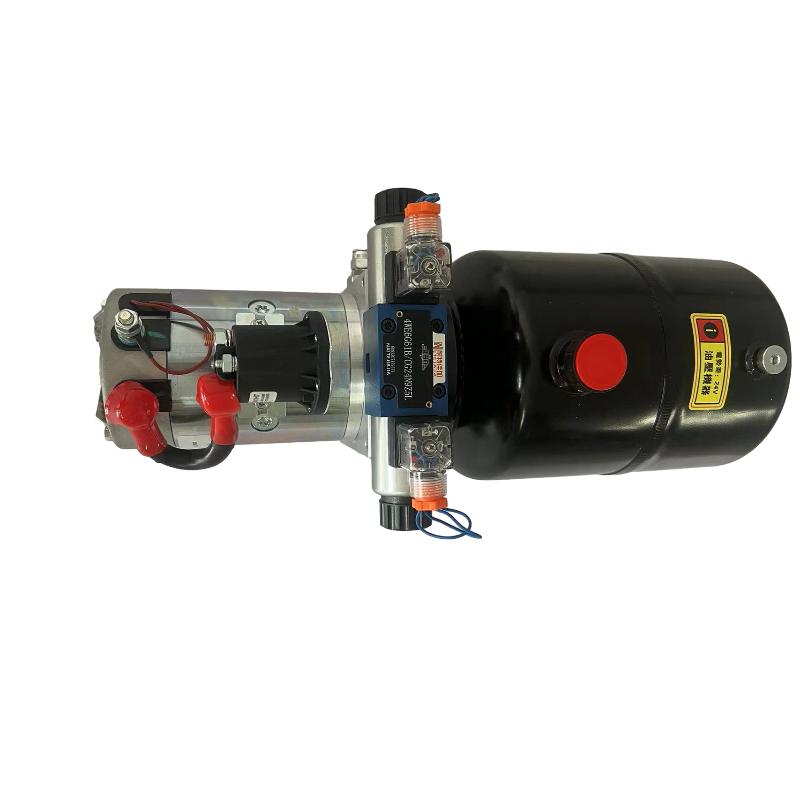
For OEMs, selecting from high quality hydraulic cylinder suppliers involves more than comparing price points. The ability of a supplier to act as a technical partner is paramount. A manufacturer that produces both the cylinder and the power unit—such as the tailplate, flying wing, or snow plow power units—can optimize the entire hydraulic circuit, reducing energy loss and improving response times.
Key indicators of a capable supplier include their experience with diversified product lines and their track record with OEM integration. The capacity to handle specialized production—ranging from small diamond power units to complex three-dimensional garage systems—demonstrates a level of engineering maturity that is essential for customized projects. When the supplier understands the interplay between the power unit's output and the cylinder's resistance, the result is a more stable and efficient machine.
Furthermore, a supplier's regional reputation and distribution reach often reflect their quality consistency. A company that has successfully penetrated multiple provinces and municipalities typically has a refined quality control process that can withstand the scrutiny of various industrial standards, providing the peace of mind necessary for long-term procurement contracts.
Future Directions in Hydraulic Actuation and System Integration
The hydraulic industry is moving toward higher integration and smarter control. We are seeing a shift where the "complete set" approach—combining the cylinder, the power unit, and the control valves into a single modular system—is becoming the standard for vehicle modification and specialized machinery. This reduces installation errors and simplifies the maintenance cycle for the end-user.
Material science continues to evolve, with a growing emphasis on reducing the weight of the cylinder body without sacrificing pressure ratings. The adoption of more advanced sealing materials and improved chrome-plating techniques is extending the service intervals of actuators used in extreme environments, such as the arctic conditions faced by snow plow power units or the abrasive dust of mining sites.
For buyers, the focus is shifting toward "total cost of ownership" rather than initial purchase price. By investing in cylinders with superior grinding tolerances and professional surface treatments, companies can significantly reduce the cost of unplanned repairs and increase the resale value of their machinery. The future of the industry lies in this marriage of precision manufacturing and application-specific engineering.
Technical FAQ and Procurement Insights
What is the significance of the 0.02mm chrome plating on the piston rod?
The 0.02mm unilateral chrome plating provides a hard, smooth surface that reduces friction against the seals and protects the underlying steel from oxidation and corrosion. This precision ensures a tight seal and prevents fluid leakage even under high-pressure cycles.
How does lateral force affect the lifespan of a hydraulic cylinder?
Lateral force occurs when the load is not concentric with the cylinder's axis. This creates uneven pressure on the seals and the piston, leading to accelerated wear, potential rod bending, and premature seal failure. Maintaining parallelism within 0.05mm/m is critical to avoid this.
Can hydraulic cylinders be customized for specific OEM machinery?
Yes, cylinders can be customized regarding the grinding tube dimensions, piston rod length, sealing materials, and surface coatings to meet the specific mechanical requirements of different applications, such as cotton pickers or forklift clamps.
Why is it prohibited to use hemp thread or adhesive for sealing?
Hemp thread and adhesive can break down over time or shed particles into the hydraulic oil. These contaminants can clog valves, damage the precision-ground surfaces of the cylinder, and cause the seals to fail, leading to system-wide inefficiency.
What is the advantage of sourcing both the power unit and the cylinder from one supplier?
Sourcing both ensures complete system compatibility. The supplier can match the power unit's flow rate and pressure output exactly to the cylinder's requirements, optimizing performance and reducing the likelihood of integration errors during assembly.
How should the installation base be prepared for a fixed hydraulic cylinder?
The base must have sufficient stiffness to prevent any bowing of the cylinder body. If the base flexes under load, it can induce bending in the piston rod, which will rapidly destroy the internal seals and potentially seize the actuator.
Technical References and Industry Standards
- ISO Standards for Hydraulic Fluid Power
- National Fluid Power Association Technical Guidelines
- ASME Codes for Pressure Piping and Vessels
- Research on Hydraulic Seal Wear and Tribology
Selecting the right hydraulic components is a balance of technical specification and manufacturing reliability. By focusing on precision tolerances and strict installation protocols, operators can maximize the efficiency and lifespan of their machinery.
Related Hydraulic Solutions