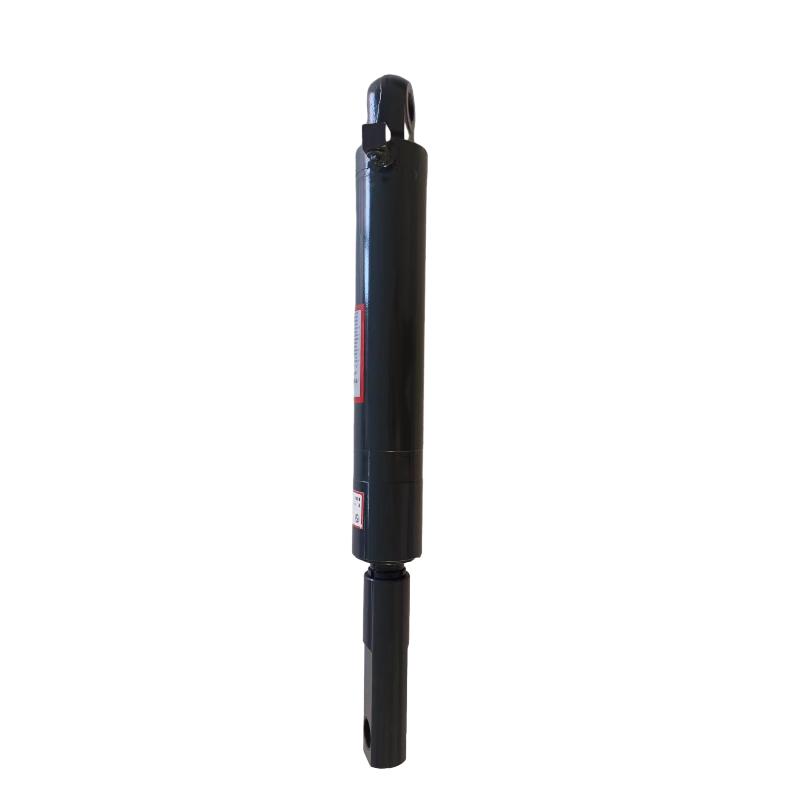
Get the Best High Quality Hydraulic Cylinder Price and Performance
Finding the right balance between performance and budget often comes down to evaluating the high quality hydraulic cylinder price relative to the specific engineering demands of your machinery. Whether you are modifying a commercial vehicle or maintaining heavy industrial equipment, the integrity of the piston rod and the precision of the seals determine the operational lifespan of the entire system. In hydraulic power transmission, a slight deviation in concentricity or a poor choice in surface finish can lead to premature seal failure and costly downtime.
At Hebei Shenghan Hydraulic Machinery, we focus on the synergy between high-grade steel processing and meticulous finishing. By utilizing grinding pipes and precision-processed round steel for piston rods, our cylinders are designed to handle the rigorous cycles of industries ranging from mining to urban sanitation. Understanding the technical variables that influence cost and quality is essential for procurement managers seeking long-term reliability over short-term savings.

Engineering Precision in Cylinder Construction and Surface Treatment
The durability of a hydraulic cylinder is fundamentally rooted in its material selection and the precision of its machining processes. Our production approach emphasizes a grinding pipe architecture combined with high-strength round steel for the piston rod, ensuring that the cylinder can withstand significant pressure fluctuations without deformation. The piston and guide sleeves undergo rigorous steel parts processing to achieve tight tolerances, which is critical for preventing internal leakage and maintaining consistent force output.
Surface integrity is another pillar of our quality standard. Every product surface is polished to a smooth finish to reduce friction and wear on the seals. To protect the steel from environmental corrosion, we apply a specialized gray paint coating. This combination of internal precision and external protection ensures that the equipment remains operational even in harsh outdoor environments, such as those found in agricultural field preparation or mining operations.
Furthermore, the sealing system is integrated using premium inlet materials, specifically chosen to match the hydraulic fluid properties and the expected temperature range. By focusing on these core engineering details, we provide cylinders that maintain their structural integrity under heavy loads, reducing the frequency of replacement and overall maintenance costs for the end-user.

Diverse Application Scenarios from Agriculture to Vehicle Modification
Hydraulic cylinders serve as the muscle of modern machinery, and their design must vary based on the specific load and movement requirements of the application. Our product range covers a vast spectrum of industrial needs, ensuring that the mechanical advantage is optimized for every task. In the agricultural sector, we provide specialized oil cylinders for paddy field flattening, ground preparation, and cotton picking, where resistance to soil and moisture is paramount.
In the realm of specialized vehicle modification, our components are widely integrated into sanitation trucks, forklift clamps, and automotive tail-lift systems. For example, flying wing car systems and tail-plate lifting mechanisms require smooth, synchronized movement and high safety factors to prevent accidents during loading. The ability to customize the cylinder length, bore size, and mounting style allows OEMs to integrate our products seamlessly into their chassis designs.
Beyond vehicles, our hydraulic solutions extend to mining equipment and food machinery. In mining, the cylinders must handle abrasive environments and extreme pressures, whereas food machinery requires precision and cleanliness. By diversifying our production capabilities, Hebei Shenghan supports a wide array of industrial sectors across more than 20 provinces, providing a versatile range of power units and cylinders tailored to specific operational challenges.
Critical Installation Guidelines for Optimizing System Longevity
Even the highest quality cylinder can fail if the installation process ignores fundamental hydraulic principles. One of the most critical factors is the cleanliness of the surrounding environment. Contamination is the primary enemy of hydraulic systems; therefore, fuel tanks must be sealed, and pipelines must be thoroughly cleaned to prevent iron oxide or debris from entering the system and scoring the cylinder walls.
Engineering alignment is equally vital. For fixed cylinders, the base must possess sufficient stiffness to prevent the cylinder body from bowing, which would inevitably lead to piston rod bending. For moving cylinders, the central axis must remain concentric with the load force line. Any lateral force introduced by misalignment can cause rapid seal wear and damage the piston, significantly shortening the service life of the component.
To ensure peak performance, we recommend the following operational practices:
- Parallelism: Maintain a parallelism deviation of no more than 0.05mm/m relative to the moving object's rail surface.
- Cleaning Materials: Use only lint-free cloth or specialized paper; avoid hemp thread or adhesive sealing materials.
- Fluid Management: Use hydraulic oil that strictly adheres to the design requirements and monitor oil temperature and pressure changes.
- Connection Security: Ensure all pipe connections are tightened securely to prevent air ingress or fluid leaks.
Technical Selection and Application Matrix
| Application Field | Key Technical Requirement | Recommended Material Focus | Critical Performance Metric |
|---|---|---|---|
| Agricultural Machinery | Debris Resistance | High-grade Sealants | Environmental Durability |
| Automotive Tail-plates | Smooth Actuation | Polished Piston Rods | Cycle Consistency |
| Mining Equipment | High Load Bearing | Reinforced Steel Tubing | Structural Stiffness |
| Sanitation Trucks | Frequent Cycling | Wear-resistant Guide Sleeves | Seal Longevity |
| Forklift Clamps | Precision Control | Grinding Pipe Bore | Response Accuracy |
Evaluating Procurement Value and Supplier Capabilities
When procurement managers analyze the cost of hydraulic components, the focus should shift from the initial purchase price to the total cost of ownership (TCO). A cheaper cylinder that requires replacement every six months is significantly more expensive than a high-quality unit that lasts several years. The value lies in the manufacturer's ability to provide consistent quality through deep industry experience and specialized production bases, such as the Ningjin hydraulic hub.
Customization is another key value driver. Standard off-the-shelf cylinders rarely meet the exact needs of a complex OEM project. The capability to adjust the piston rod diameter, stroke length, and mounting configurations allows for a more efficient system design, reducing the need for external adapters and decreasing the number of potential leak points in the hydraulic circuit.
A reliable supplier should be viewed as a technical partner rather than a mere vendor. By supporting OEMs with long-term partnerships, Hebei Shenghan Hydraulic Machinery ensures that the products provided are not just components, but integrated solutions that align with the client's overall machinery goals. This partnership approach reduces the risks associated with product incompatibility and streamlines the supply chain for vehicle modification and industrial equipment assembly.
Future Trends in Hydraulic Power and Customization
The hydraulic industry is moving toward higher integration and smarter control systems. We are seeing a growing demand for integrated power units that combine the pump, reservoir, and valves into a compact footprint, specifically for three-dimensional garages and lifting platforms. This trend reduces installation complexity and improves the efficiency of energy transmission from the power source to the cylinder.
Furthermore, the shift toward more sustainable and precise agricultural machinery is driving the need for cylinders that can operate with higher efficiency and lower fluid leakage. The development of customized oil cylinders for specialized harvesters and ground preparation tools reflects a broader industry move toward "precision hydraulics," where the movement is tailored to the specific biological or geological requirements of the task.
As we look forward, the integration of advanced coatings and new sealing materials will continue to push the boundaries of how these components perform in extreme conditions. For businesses investing in new fleets or designing new machinery, prioritizing suppliers who embrace these technical advancements while maintaining rigorous manufacturing standards is the only way to ensure competitive advantage in a demanding global market.
Technical Frequently Asked Questions
What factors most significantly influence the price of a high-quality hydraulic cylinder?
The cost is primarily driven by the grade of steel used for the piston rod, the precision of the bore grinding, the type of sealing materials selected for the environment, and the level of customization required for the mounting and stroke length.
How does the surface finish of the piston rod affect the cylinder's lifespan?
A polished and smooth surface reduces friction and prevents the seals from being abraded. This minimizes internal leakage and prevents contaminants from adhering to the rod, which is crucial for maintaining pressure and preventing seal failure.
Why is concentricity so important during the installation of a moving cylinder?
If the cylinder is not concentric with the load force, it creates lateral force on the piston rod. This side-loading leads to uneven wear on the seals and can eventually cause the piston rod to bend, resulting in catastrophic system failure.
Can these hydraulic cylinders be customized for specific industrial applications?
Yes, we offer comprehensive customization for various needs, including specific dimensions for sanitation trucks, flying wing systems, and mining equipment, ensuring the product fits the exact engineering requirements of the OEM.
What is the best way to prevent contamination in a hydraulic system?
Ensure the fuel tank is sealed and all pipelines are cleaned before use. Use lint-free cloths for cleaning and avoid using hemp thread or adhesive as sealing materials, as these can introduce particles into the hydraulic fluid.
What are the typical applications for a hydraulic power unit?
Power units are used to drive cylinders in various systems, such as tail-plate lifts, snow plows, lifting platforms, and small diamond processing equipment, providing the necessary pressurized fluid for actuation.
Technical References and Resources
- ISO Standards for Hydraulic Fluid Power
- NFPA Hydraulic Institute Guidelines
- ASME Pressure Vessel and Piping Codes
- Industrial Hydraulic System Maintenance Best Practices
For technical inquiries regarding custom specifications or to request a detailed quote for your project, please contact our engineering team to ensure your system is optimized for maximum efficiency and durability.
Industry Insights and Technical Guides