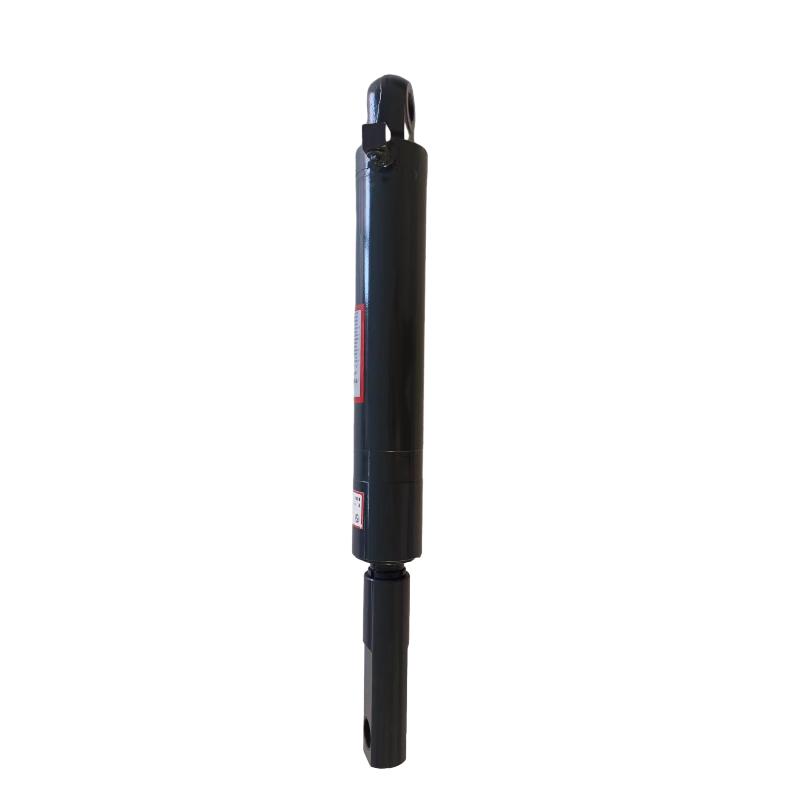
Get the Best High Quality Double Acting Hydraulic Cylinder Price
For procurement managers and mechanical engineers, securing a reliable power transmission system often comes down to the precision of the actuator. A high-performance double acting cylinder allows for controlled movement in both extension and retraction, making it indispensable for heavy-duty industrial automation. However, when evaluating the high quality double acting hydraulic cylinder price, the focus must shift from the initial cost to the total cost of ownership, including durability, seal longevity, and energy efficiency.
Whether you are integrating these components into agricultural harvesters or specialized mining equipment, the synergy between the cylinder and the hydraulic power unit is critical. Hebei Shenghan Hydraulic Machinery specializes in creating this balance, offering diversified solutions that range from simple paddy field oil cylinders to complex integrated power systems for vehicle modification, ensuring that every stroke is precise and every seal is secure.

The Engineering Logic Behind Double Acting Hydraulic Actuators
Unlike single-acting cylinders that rely on gravity or springs for retraction, double acting cylinders utilize hydraulic pressure for both directions of travel. This dual-port design allows for superior control over the load, providing a constant force throughout the entire stroke. In the context of general equipment manufacturing, this capability is essential for applications like forklift clamps and automobile tail plates, where precise positioning and lifting are non-negotiable safety requirements.
The efficiency of these systems is heavily dependent on the quality of the internal seals and the smoothness of the cylinder bore. High-grade materials prevent internal leakage, which otherwise would lead to "drift" or loss of pressure. By optimizing the interaction between the piston and the cylinder wall, manufacturers can ensure that the actuator delivers maximum force with minimal energy loss, directly impacting the operational efficiency of the overall machine.
- Bidirectional Control: Active power for both extending and retracting phases.
- Load Stability: Maintains precise positioning under varying pressure loads.
- Versatility: Applicable across agriculture, mining, and vehicle modification sectors.

Integrating Power Units for Optimal Cylinder Performance
A hydraulic cylinder is only as effective as the power unit driving it. For those seeking the best high quality double acting hydraulic cylinder price, it is vital to consider the pump displacement and motor power of the accompanying unit. For instance, units designed for sanitation trucks or lifting platforms require specific flow rates and overflow valve pressures to prevent system failure during peak loads.
Proper integration involves matching the motor voltage (such as 24V) and pump displacement (e.g., 0.5ml/r to 0.75ml/r) to the required cylinder speed and force. Moreover, the duty cycle is a critical technical constraint; many standard power units operate on an S3 duty cycle (intermittent operation), typically requiring a 1-minute "on" period followed by a 9-minute "off" period to prevent overheating and oil degradation.
Maintenance of the hydraulic fluid is equally important. Using recommended oils, such as N46 with a viscosity between 15-68 cst, ensures that the components remain lubricated and free from impurities. Regular oil changes—initially after 100 hours and every 3,000 hours thereafter—are essential to maintain the integrity of the pump and the precision of the cylinder movement.
Industry-Specific Applications and Selection Criteria
Different sectors demand different cylinder specifications. In agriculture, paddy field and harvester oil cylinders must withstand corrosive environments and debris. In contrast, aviation-style "flying wing" car systems or automotive tailboards require compact designs with high reliability for repeated daily cycles. The ability to customize these parameters is what separates a generic component from a professional engineering solution.
When selecting a cylinder for a specific project, engineers should evaluate the following factors:
- Environmental Exposure: Does the cylinder need special coatings for mining or sanitation work?
- Cycle Frequency: Will the unit operate continuously or intermittently (S3 duty)?
- Required Force: Is the bore size sufficient to handle the load at the available pump pressure?
- Space Constraints: Is the stroke length and collapsed length compatible with the vehicle chassis?
By aligning the product specifications with the actual operational scenario—whether it be a small diamond power unit for precision work or a heavy-duty gravel oil cylinder—companies can avoid premature wear and reduce long-term maintenance costs.
Technical Specification Matrix for Hydraulic Power Units
| Motor Voltage/Power | Pump Displacement | Overflow Pressure | Tank Capacity |
|---|---|---|---|
| 24V / 0.8KW | 0.5 ml/r | 16 Mpa | 1.0L |
| 24V / 0.63KW | 0.5 ml/r | 16 Mpa | 1.5L |
| 24V / 0.63KW | 0.75 ml/r | 16.5 Mpa | 1.0L |
| Customized | Application-dependent | Variable | Custom |
| Intermittent (S3) | Precision-matched | Regulated | Standardized |
Evaluating Supplier Capabilities for OEM Partnerships
For OEM partners, the ability of a manufacturer to scale production while maintaining strict quality tolerances is paramount. A supplier located in a national hydraulic machinery parts base, such as Ningjin, often benefits from a diversified ecosystem of raw materials and specialized processing. This proximity allows for faster prototyping and more reliable quality control across different product lines, from forklift appliance cylinders to mining actuators.
True expertise is demonstrated through the ability to support customized system parameters. Instead of offering "off-the-shelf" products, a high-value partner provides technical guidance on pump pressure, motor power, and manual emergency oil release options. This collaborative approach ensures that the final assembly is optimized for the end-user's specific operational needs, reducing the risk of field failures and improving brand reputation.
Future Trends in Hydraulic Actuation and Procurement
The industry is moving toward smarter, more efficient hydraulic systems. We are seeing an increase in the demand for "intelligent" power units that can monitor oil levels and temperature in real-time. As vehicle modification becomes more complex—particularly in the realm of specialized sanitation and logistics trucks—the requirement for ultra-compact, high-pressure double acting cylinders continues to grow.
From a procurement perspective, the trend is shifting toward long-term strategic partnerships rather than transactional buying. Buyers are now prioritizing suppliers who can offer a complete set of solutions—such as combined flying wing systems—rather than individual components. This holistic approach reduces integration errors and streamlines the supply chain, ensuring that the hydraulic systems are synchronized and durable for the long haul.
Frequently Asked Questions About Hydraulic Systems
What is the primary difference between a single and double acting cylinder?
A single acting cylinder is powered in one direction and returns via a spring or gravity, whereas a double acting cylinder uses hydraulic pressure to both extend and retract the piston, providing more control and force in both directions.
How often should I change the hydraulic oil in my power unit?
It is recommended to perform the first oil change after the initial 100 operation hours, and subsequently every 3,000 hours to ensure the system remains free of impurities and maintains proper viscosity.
What does an S3 duty cycle mean for a power unit?
An S3 duty cycle refers to intermittent operation. For example, a typical unit might be designed to run for 1 minute and then remain off for 9 minutes to prevent overheating.
Can these cylinders be customized for specialized vehicle modifications?
Yes, specifications such as flow pump pressure, motor power, and displacement can be adjusted. Manual emergency oil release options can also be specified during the ordering process.
Which hydraulic oil is recommended for these systems?
N46 hydraulic oil is generally recommended, provided it has a viscosity between 15-68 cst and is clean and free of impurities.
What is the importance of mounting the power unit vertically?
Vertical mounting ensures optimal oil suction for the pump and prevents air entrapment in the system, which is critical for maintaining smooth cylinder operation and avoiding cavitation.
Technical References and Industry Standards
- ISO International Standards for Hydraulic Fluid Power
- NFPA Hydraulic Component Standards
- ASME Pressure Vessel and Piping Codes
- Industrial Hydraulic Design Principles
Finding the right balance between technical specifications and budget is key to operational success. Whether you need a tailored power unit or a heavy-duty actuator, focusing on precision and manufacturer experience ensures long-term reliability.
Related Technical Insights