
Sep . 01, 2025 02:20 Back to list
Robust Double Acting Power Units for Powerful Hydraulic Control
The Core of Industrial Hydraulics: double acting power unit
In the vast landscape of industrial automation and heavy machinery, the reliable and precise control of hydraulic systems is paramount. At the heart of many such applications lies the double acting power unit. This specialized hydraulic system is engineered to provide powerful and bidirectional movement, enabling the extension and retraction of a hydraulic cylinder with controlled force and speed. Essential across diverse sectors, these units are critical for operations demanding robust, consistent, and finely tuned hydraulic pressure, ensuring operational efficiency and safety.
This comprehensive overview delves into the intricate world of double acting power units, exploring their technical intricacies, applications, manufacturing processes, and the significant advantages they offer in modern industrial environments. We will also address key considerations for procurement, including vendor comparison and custom solutions, alongside real-world case studies demonstrating their transformative impact.
Industry Trends and Market Dynamics
The global hydraulic power unit market is experiencing sustained growth, driven by increasing automation in manufacturing, infrastructure development, and the burgeoning demand for heavy machinery. Key trends impacting the design and adoption of double acting power unit include:
- Energy Efficiency: A strong push towards more efficient hydraulic systems, incorporating variable frequency drives (VFDs) and load-sensing pumps to reduce energy consumption and operational costs.
- Smart Hydraulics & IoT Integration: Integration of sensors and data analytics for real-time monitoring, predictive maintenance, and remote diagnostics, enhancing system reliability and uptime.
- Compact Design: Miniaturization efforts to create more compact power units without compromising performance, ideal for space-constrained applications.
- Environmental Regulations: Growing emphasis on using biodegradable hydraulic fluids and designs that minimize leakage and environmental impact.
- Customization: Increased demand for tailor-made solutions to meet specific pressure, flow, and control requirements of diverse industrial applications.
These trends underscore the evolving landscape of industrial hydraulics, where performance, efficiency, and intelligence are becoming increasingly critical for competitive advantage.
Understanding the Double Acting Power Unit: Technical Specifications & Operating Principles
A double acting power unit is a self-contained system comprising a motor, pump, fluid reservoir, and control valves designed to supply hydraulic fluid under pressure to a double-acting hydraulic cylinder. Unlike single-acting units that only push in one direction (with gravity or a spring for return), double-acting units provide controlled force for both extension and retraction strokes.
Key Components:
- Electric Motor: Drives the hydraulic pump, converting electrical energy into mechanical energy. Common types include AC and DC motors, selected based on application requirements (e.g., continuous operation, battery power).
- Hydraulic Pump: Generates fluid flow, converting mechanical energy from the motor into hydraulic energy. Gear pumps are common for their robustness and cost-effectiveness, while piston pumps offer higher pressure capabilities and efficiency.
- Hydraulic Reservoir (Tank): Stores the hydraulic fluid, allowing it to cool, settle impurities, and de-aerate. Size is critical for heat dissipation and system longevity.
- Directional Control Valve (DCV): A critical component that directs the flow of hydraulic fluid to either side of the double-acting cylinder, controlling its extension or retraction. Typically, a 4-way, 3-position valve is used.
- Pressure Relief Valve: Protects the system from over-pressurization by diverting excess fluid back to the reservoir.
- Filter: Removes contaminants from the hydraulic fluid, protecting components from wear and prolonging system life.
- Pressure Gauge: Monitors the system pressure, essential for operation and troubleshooting.
Operating Principle:
When the motor activates the pump, hydraulic fluid is drawn from the reservoir and pressurized. For extension, the directional control valve routes this pressurized fluid to the cap end of the double-acting cylinder, simultaneously allowing fluid from the rod end to return to the reservoir. For retraction, the valve shifts, directing pressurized fluid to the rod end, pushing the piston back, while fluid from the cap end returns. This precise control over both movements is fundamental to its versatility.
Typical Technical Parameters:
| Parameter | Typical Range/Value | Unit |
|---|---|---|
| Motor Power | 0.75 - 30 | kW |
| Operating Pressure (Max) | 160 - 250 | Bar |
| Flow Rate | 5 - 100 | L/min |
| Reservoir Capacity | 10 - 500 | Litres |
| Voltage Options | AC: 230V, 400V; DC: 12V, 24V | Volts |
| Duty Cycle | S1 (Continuous), S3 (Intermittent) | N/A |
| Operating Temperature | -20 to +70 | °C |
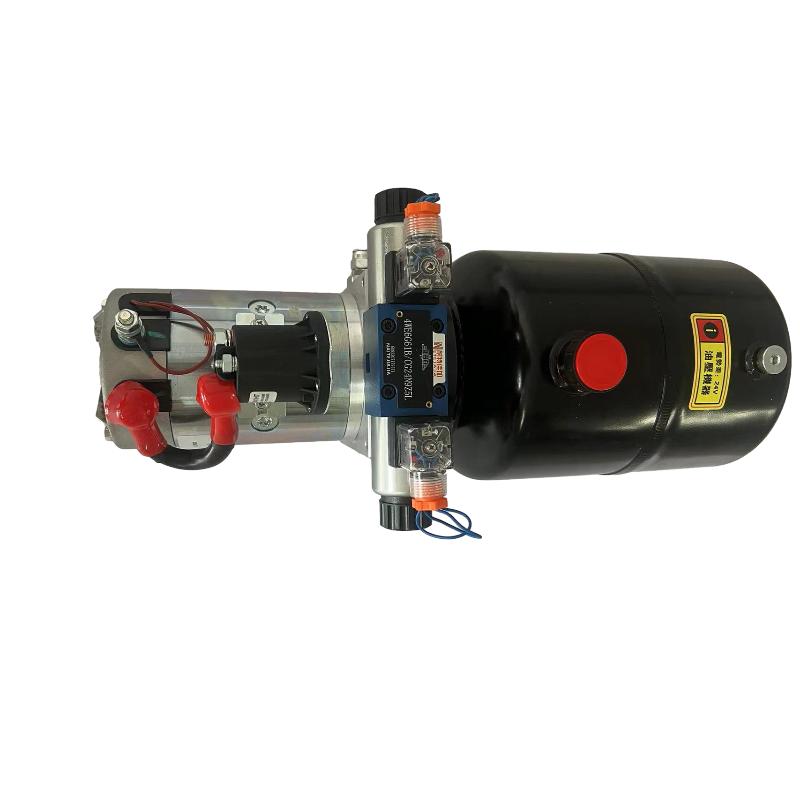
Figure 1: Schematic representation of a typical double acting power unit configuration.
Manufacturing Excellence: Process Flow & Quality Assurance
The production of a high-quality double acting power unit involves a meticulous process, from raw material selection to final testing, ensuring durability, performance, and compliance with stringent industrial standards.
Materials Selection:
Critical components are manufactured from high-grade materials:
- Reservoirs: Typically heavy-gauge steel, sometimes stainless steel for corrosive environments.
- Manifolds: High-strength aluminum alloys or ductile iron for complex internal porting.
- Pump & Valve Housings: Cast iron, aluminum, or specialized alloys chosen for wear resistance and pressure capabilities.
- Seals: Viton, Buna-N, or PTFE, selected based on temperature range, fluid compatibility, and chemical resistance requirements.
Manufacturing Processes:
- Component Fabrication:
- Casting/Forging: Primary shaping for pump housings, valve bodies, and manifolds to achieve initial structural integrity.
- CNC Machining: Precision machining of critical internal passages, valve seats, and mounting surfaces to micron-level tolerances. This ensures optimal flow dynamics, minimal leakage, and consistent performance.
- Welding: High-integrity welding for reservoir construction and mounting brackets, adhering to AWS standards.
- Surface Treatment: Components undergo rigorous cleaning, deburring, and protective coatings (e.g., phosphating, powder coating, electroplating) to enhance corrosion resistance and aesthetic appeal, particularly for units destined for harsh environments.
- Assembly: Skilled technicians assemble the motor, pump, manifold, valves, and reservoir. All connections are torque-controlled, and sealing elements are carefully installed to prevent leaks.
- Pre-testing & Calibration: Each unit undergoes initial functional checks, including pump performance, valve actuation, and pressure relief settings, followed by system calibration.
- Final Performance Testing: Units are subjected to full load cycle testing, pressure holding tests, and noise level measurements to ensure they meet specified performance parameters and operational stability.
Testing Standards & Quality Control:
Adherence to international standards is a hallmark of quality. Manufacturers typically follow:
- ISO 4406: For hydraulic fluid cleanliness.
- ISO 9001: Quality Management Systems for the entire manufacturing process.
- ANSI/NFPA standards: For hydraulic component design and testing.
- CE Marking: For units sold in the European Economic Area, indicating conformity with health, safety, and environmental protection standards.
Service Life and Target Industries:
With proper maintenance and operating conditions, a well-engineered double acting power unit can achieve a service life of 10-15 years, often longer for critical components. These units are indispensable in:
- Petrochemical: For valve actuation, material handling, and process control systems, where robust, explosion-proof units may be required.
- Metallurgy: Powering presses, furnace doors, ladle tilting mechanisms, and rolling mill equipment, demanding high force and precision.
- Water Supply & Drainage: Actuating large sluice gates, penstocks, and pumping station valves, often in demanding outdoor or submerged conditions.
- Construction & Mining: For heavy lifting, excavation, and drilling equipment.
- Marine & Offshore: Deck machinery, steering gears, and offshore platform actuation, requiring corrosion resistance and reliability in harsh saline environments.
Advantages in typical application scenarios include significant energy saving through efficient pump-motor combinations and superior corrosion resistance when specified with appropriate materials and coatings, leading to reduced downtime and lower total cost of ownership.
Application Scenarios & Technical Advantages
The versatility of the double acting power unit allows for its deployment across a myriad of industrial applications. Its ability to generate precise, bidirectional force makes it indispensable for tasks requiring controlled movement in both directions.
Key Application Scenarios:
- Industrial Presses: From manufacturing components to forging metals, double-acting units provide the intense, sustained pressure required for both the pressing stroke and controlled return.
- Material Handling Systems: Actuating conveyors, lift tables, clamp mechanisms, and sorting equipment in logistics and production lines.
- Mobile Equipment: Powering the booms, blades, and outriggers of construction vehicles, agricultural machinery, and utility trucks.
- Machine Tools: Clamping workpieces, operating fixtures, and controlling feed movements in various machining operations.
- Waste Management: Operating compactors, balers, and container111 lifting mechanisms.
- Energy Sector: For wind turbine pitch control systems, hydroelectric gate control, and subsea valve actuation.
Technical Advantages:
- Precision Control: Modern units, especially those with proportional valves, offer exceptional control over speed, acceleration, and deceleration, enabling smooth and accurate positioning.
- High Power Density: Hydraulics inherently provide immense force from relatively compact components, making them ideal for heavy-duty applications where space is at a premium.
- Durability & Robustness: Designed to operate reliably in harsh industrial environments, tolerating high loads, shock, and vibration that would quickly damage other power transmission methods.
- Self-Lubricating: The hydraulic fluid continuously lubricates internal components, reducing wear and extending the lifespan of the system.
- Safety Features: Integrated safety features like pressure relief valves, thermal protection, and emergency stop functions enhance operational security.
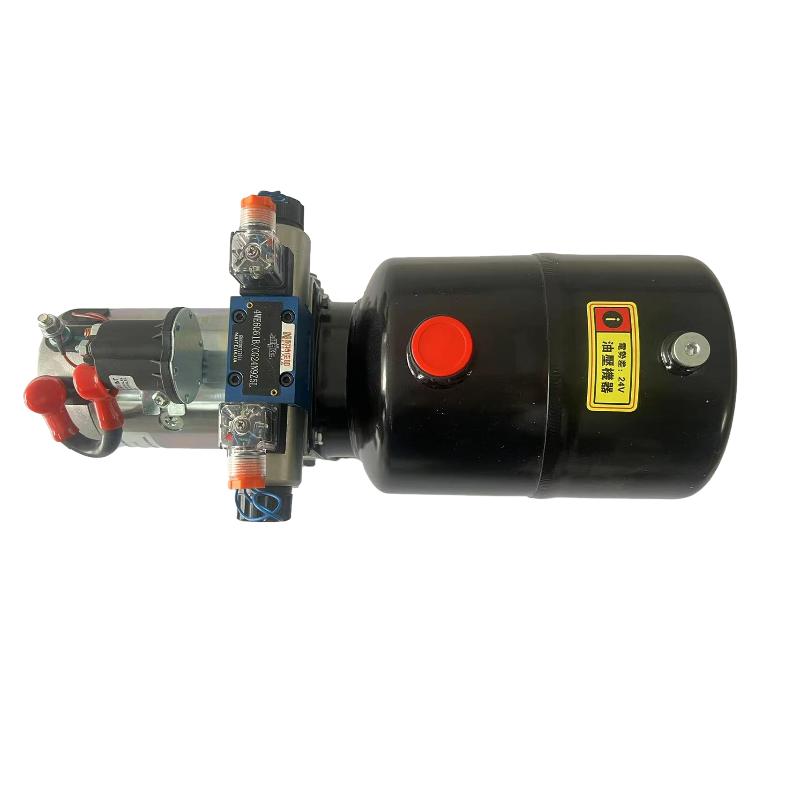
Figure 2: A double acting power unit integrated into a heavy industrial machine.
Comparative Analysis: Choosing the Right Double Acting Power Unit Vendor
Selecting the right vendor for your double acting power unit is a critical decision that impacts not only initial investment but also long-term operational costs and system reliability. Key factors to evaluate include product quality, customization capabilities, after-sales support, and industry reputation.
Vendor Comparison Table:
| Feature/Service | Vendor A (e.g., Hebei Shenghan) | Vendor B (Competitor 1) | Vendor C (Competitor 2) |
|---|---|---|---|
| Product Quality & Materials | High-grade steel/aluminum, precision CNC machined. ISO 9001 certified. | Standard industrial grade, some proprietary components. | High-grade, focus on specific niche. ISO 9001, AS9100. |
| Customization Capabilities | Extensive: reservoir size, motor type, valve configurations, sensor integration. | Moderate: limited options for standard models. | Full customization, including specialized fluids and extreme environment readiness. |
| Technical Support & Expertise | Dedicated engineering support, application consultation, 24/7 hotline. | Standard support hours, online knowledge base. | Premium support, on-site diagnostics, training programs. |
| Warranty & Service Life | 2-year warranty, 10-15 year design life. | 1-year warranty, 7-10 year design life. | 3-year warranty, 15+ year design life. |
| Lead Time (Standard Unit) | 3-5 weeks | 6-8 weeks | 4-6 weeks |
| Certifications | ISO 9001, CE, ATEX (optional) | ISO 9001 | ISO 9001, CE, Lloyd's Register (Marine) |
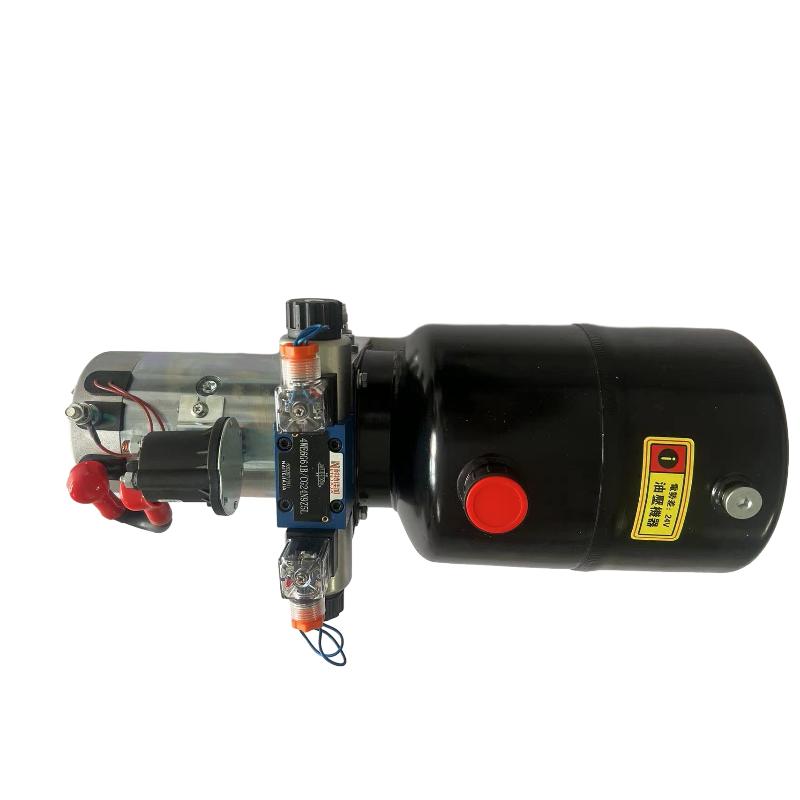
Figure 3: A specialized double acting power unit designed for heavy industrial use.
Customized Solutions: Tailoring for Specific Needs
While standard configurations meet many requirements, the strength of leading manufacturers lies in their ability to provide bespoke solutions. Customization ensures that the double acting power unit precisely matches the unique demands of an application, optimizing performance and integration.
Areas of Customization:
- Reservoir Design: Tailored capacity, shape, material (carbon steel, stainless steel), internal baffling, and mounting options for specific space or environmental constraints.
- Motor & Pump Selection: Choice of AC/DC, single/three-phase motors, specific power ratings, and various pump types (gear, vane, piston) to achieve desired flow, pressure, and efficiency.
- Valve Manifold & Control Systems: Integration of specific directional, pressure, and flow control valves, including proportional valves for fine control, and integration with PLC/HMI systems.
- Filtration & Cooling: Advanced filtration stages, heat exchangers (air-oil, water-oil), and chillers for extreme temperature applications or extended duty cycles.
- Environmental Adaptations: Explosion-proof (ATEX certified) components, marine-grade coatings, corrosion-resistant materials, and specific IP ratings for dusty or wet environments.
- Instrumentation & Sensors: Integration of advanced pressure transducers, temperature sensors, flow meters, and fluid level indicators for comprehensive monitoring and diagnostic capabilities.
This level of customization, backed by robust engineering expertise, ensures that each unit delivers optimal performance and reliability for its intended purpose.
Real-World Application Case Studies
Case Study 1: Large Sluice Gate Actuation in a Hydroelectric Dam
Client: Major National Hydroelectric Power Corporation
Challenge: The client required a reliable and powerful hydraulic system to actuate massive sluice gates, controlling water flow for power generation and flood management. The system needed precise control, robust performance against high hydrostatic pressures, and extreme weather resilience.
Solution: We designed and supplied a custom double acting power unit with a high-capacity reservoir (500L), dual redundant piston pumps driven by 30 kW motors, and marine-grade stainless steel components for superior corrosion resistance. The control manifold incorporated proportional directional valves for fine control of gate opening and closing speeds, integrated with the dam's SCADA system for remote monitoring and operation. Advanced cooling systems were included to maintain optimal fluid temperature during prolonged operation.
Results: The customized power unit provided consistent, high-force actuation, enabling precise water flow regulation. The robust design ensured uninterrupted operation even in freezing temperatures and high humidity, significantly enhancing the dam's operational efficiency and safety protocols. The client reported a 15% reduction in maintenance cycles due to system reliability and an estimated 5% improvement in energy generation efficiency through optimized gate control.
Case Study 2: Automated Steel Production Line Clamp System
Client: Leading Steel Manufacturer
Challenge: The existing hydraulic system for their automated steel sheet clamping mechanism in a hot rolling mill was prone to overheating and frequent seal failures due to continuous high-temperature operation and aggressive particulate contamination. This led to significant production downtime.
Solution: We engineered a compact, high-pressure double acting power unit featuring a sealed, forced-air-cooled reservoir, high-temperature Viton seals, and a multi-stage filtration system with real-time contamination monitoring. The unit's pump and motor combination was optimized for continuous duty (S1), providing constant pressure to the clamping cylinders. A quick-disconnect feature was also integrated for rapid maintenance.
Results: The new power unit drastically reduced overheating incidents and eliminated seal failures, cutting unscheduled downtime by 70%. The improved reliability and rapid maintenance capabilities contributed to a 10% increase in overall equipment effectiveness (OEE) for the rolling mill, resulting in substantial cost savings from increased production and reduced maintenance.
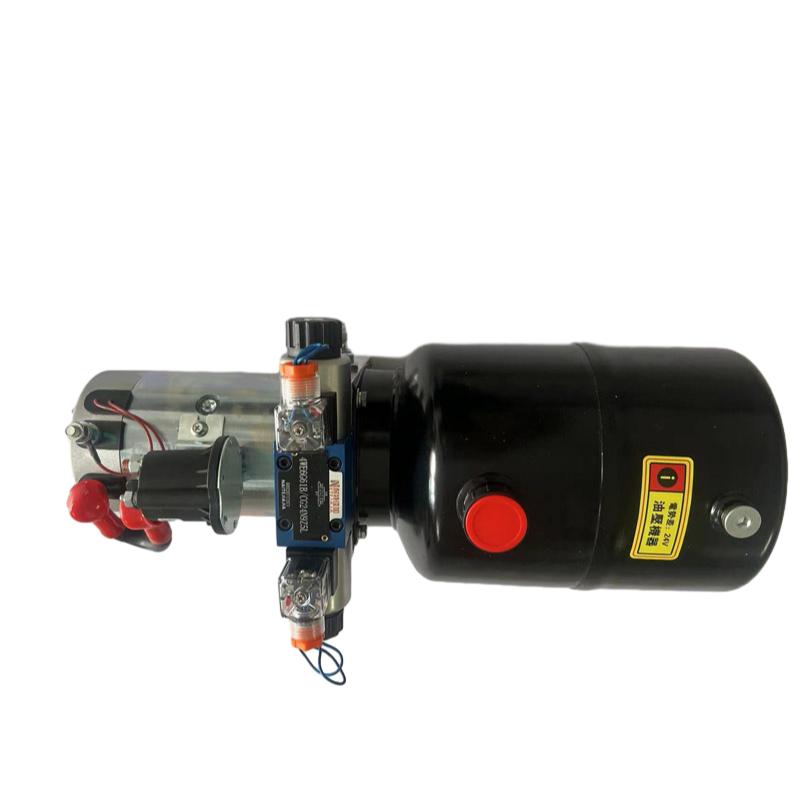
Figure 4: A custom-designed double acting power unit ready for integration.
Authoritativeness & Trustworthiness
Our commitment to quality and customer satisfaction is built on a foundation of industry certifications, robust partnerships, and transparent service policies. As a manufacturer, we adhere to:
- ISO 9001:2015 Certification: Demonstrating a consistent commitment to quality management systems across all manufacturing and operational processes.
- CE Marking: All relevant products comply with European health, safety, and environmental protection directives.
- Industry Partnerships: Collaborations with leading component suppliers (e.g., Bosch Rexroth, Parker Hannifin, Danfoss) ensure access to cutting-edge technology and reliable parts.
- Years of Service: With over [X, e.g., 20] years of experience in hydraulic system design and manufacturing, we bring unparalleled expertise to every project.
Lead Time & Fulfillment:
Standard double acting power units typically have a lead time of 3-5 weeks from order confirmation to dispatch. Custom configurations may require 6-10 weeks, depending on complexity and material sourcing. We maintain strong supply chain relationships to ensure timely delivery and transparent communication throughout the fulfillment process.
Warranty Commitments:
All our double acting power units come with a comprehensive 2-year warranty against manufacturing defects and material faults, commencing from the date of shipment. Extended warranty options are available upon request for critical applications.
Customer Support:
Our dedicated technical support team is available to assist with installation guidance, troubleshooting, and maintenance inquiries. We offer:
- 24/7 online and phone support.
- On-site technical assistance and commissioning services.
- Comprehensive documentation, including manuals and spare parts lists.
- Training programs for client personnel on hydraulic system operation and maintenance.
Frequently Asked Questions (FAQ):
Q: What is the main advantage of a double acting power unit over a single acting one?
A: A double acting power unit provides controlled hydraulic force for both the extension and retraction of a cylinder, enabling precise movement in both directions. Single acting units only provide force in one direction, relying on gravity or a spring for the return stroke.
Q: How do I choose the correct motor and pump for my application?
A: Selection depends on required pressure, flow rate, duty cycle, and available power supply. Our engineering team can assist in calculating the optimal motor power (kW/HP) and pump displacement (cc/rev) based on your specific application parameters, such as cylinder size, load, and desired speed.
Q: What type of hydraulic fluid is recommended?
A: We generally recommend high-quality mineral-based hydraulic oils (e.g., ISO VG 32, 46, or 68) with anti-wear additives. For environmentally sensitive areas or specific temperature ranges, biodegradable fluids or synthetic oils may be recommended. Always consult the product manual or our technical team for specific recommendations.
Q: Can these units operate in extreme temperatures?
A: Yes, with appropriate customization. This may include specialized low-viscosity fluids for cold environments, high-temperature seals, and integrated cooling systems (heat exchangers) for hot environments. Our design team can configure units for operating temperatures ranging from -40°C to +80°C.
Conclusion
The double acting power unit stands as a foundational technology in industrial hydraulics, embodying the fusion of power, precision, and reliability. Its capacity for controlled bidirectional force makes it indispensable across a spectrum of heavy-duty applications, from the meticulous movements in manufacturing to the robust demands of construction and energy. As industries continue to evolve, the drive for enhanced efficiency, intelligent integration, and sustainable operations will further propel advancements in hydraulic power unit technology. Partnering with experienced manufacturers committed to quality, customization, and comprehensive support ensures that businesses can leverage these powerful units to achieve operational excellence and secure long-term success.
References
- ISO 4406:2017, Hydraulic fluid power — Fluids — Method for coding level of contamination by solid particles. International Organization for Standardization.
- ISO 9001:2015, Quality management systems — Requirements. International Organization for Standardization.
- National Fluid Power Association (NFPA) Technical Standards and Specifications.
- Merritt, H. E. (1989). Hydraulic Control Systems. John Wiley & Sons.
- Watton, J. (2007). Fluid Power Systems: Modeling, Simulation, Analog and Digital Control. Prentice Hall.
-
High Quality China Stage Hydraulic Cylinder for Professional Stage
NewsApr.16,2026
-
Guide to Selecting High Quality China Hydraulic Pneumatic Cylinder
NewsApr.09,2026
-
China Top Link Hydraulic Cylinder Solutions for Agricultural and Industrial Needs
NewsApr.07,2026
-
China Snap Ring Hydraulic Cylinder Solutions for Optimal Performance and Reliability
NewsApr.04,2026
-
China ISO Hydraulic Cylinder Solutions for Optimal Equipment Performance
NewsMar.31,2026
-
Comprehensive Guide to China Hydraulic Telescopic Cylinder Solutions
NewsMar.28,2026