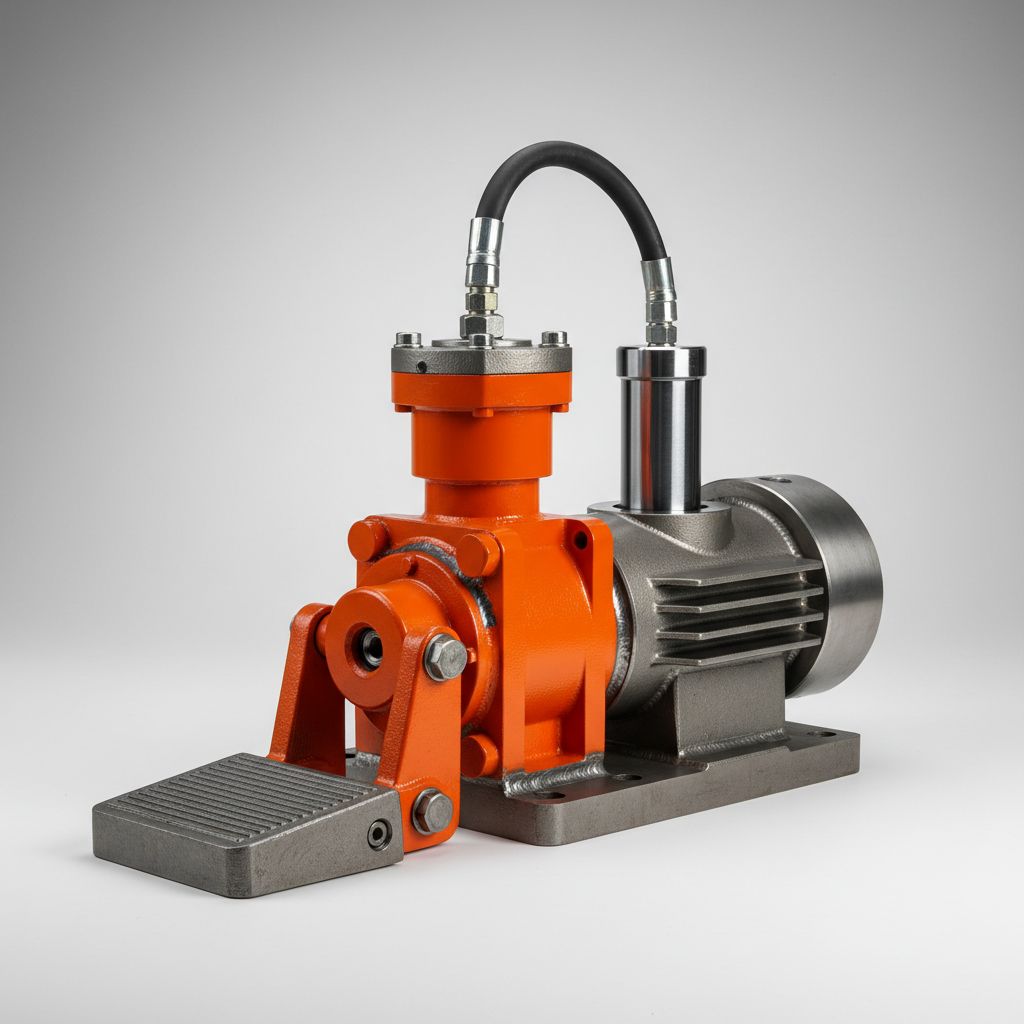
Integrating structural support and hydraulic movement often creates a design conflict, especially when piping or mechanical shafts must pass through the center of an actuator. This is precisely where a through hole hydraulic cylinder becomes an indispensable engineering solution, allowing for a more compact and streamlined machinery layout.
In the current industrial landscape, the demand for space-efficiency in heavy machinery—from agricultural harvesters to specialized mining equipment—has pushed manufacturers to refine the precision of these specialized components. The ability to route lines internally reduces the risk of external hose damage and minimizes the overall footprint of the hydraulic system.
For procurement managers and engineers seeking a china through hole hydraulic cylinder, understanding the intersection of material science and installation precision is critical to ensuring long-term operational reliability.


The fundamental purpose of a through hole cylinder is to allow a secondary element—such as a drive shaft, electrical cabling, or hydraulic lines—to pass through the center of the piston and cylinder barrel. This removes the need for bulky external routing, which is often a primary point of failure in harsh environments due to abrasion or snagging.
From an engineering perspective, this requires a precise balance between the wall thickness of the cylinder and the diameter of the through hole. Maintaining structural integrity under high pressure while providing a clear passage is the primary technical challenge.
High-quality manufacturing begins with the tube processing. For instance, utilizing grinding tubes ensures a superior internal finish, which is critical for seal longevity. To prevent corrosion and wear, the piston rod side is typically treated with chrome plating to a precise thickness, such as 0.02mm, providing a hard, smooth surface that resists environmental degradation.
The internal components, including the piston and guide sleeves, undergo rigorous steel parts processing to ensure tight tolerances. Sealing is perhaps the most critical point of failure; using recognized sealing systems, such as Indel seals, ensures that the internal pressure is maintained without leakage, even under fluctuating loads.
Final finishing involves a protective spray of gray paint on the product surface, providing a baseline of corrosion resistance. Because every industrial application differs, the ability to customize these parameters—from stroke length to hole diameter—is essential for matching the cylinder to the specific needs of the machinery.
The operational lifespan of a hydraulic cylinder is directly tied to its installation precision. When a cylinder is fixed, the base must possess sufficient stiffness. If the base is inadequate, the cylinder barrel can bow, leading to piston rod bending and premature seal failure.
The central axis of a moving cylinder must be concentric with the middle line of the load force. Any lateral force introduces side-loading, which accelerates seal wear and can permanently damage the piston.
To maintain this alignment, parallelism with the moving object on the rail surface should generally not exceed 0.05mm per meter. Furthermore, cleanliness is paramount; the fuel tank must be sealed and pipelines cleaned to prevent iron oxide or debris from entering the system, which would otherwise act as an abrasive against the precision-ground surfaces.
When evaluating the quality of a hydraulic cylinder, engineers look beyond simple pressure ratings. The relationship between seal material, surface finish, and alignment tolerance determines the "Mean Time Between Failures" (MTBF). A cylinder with a higher precision grinding finish and superior sealing will naturally exhibit a lower leakage rate and higher efficiency.
The following index illustrates the relative importance of various technical factors in maintaining the long-term stability of a through hole system, where concentricity and surface finish are prioritized to avoid the complexities of lateral force.
In a typical industrial setting, such as a vehicle modification shop or a food machinery plant, through hole cylinders are used to create compact lifting mechanisms. For example, in automotive tailboard systems or "flying wing" car modifications, the through hole allows hydraulic lines to be tucked away, protecting them from road debris and reducing the risk of snagging during operation.
Similarly, in agricultural equipment like cotton pickers or harvesters, these cylinders facilitate complex movements in tight spaces where a standard cylinder would obstruct the machine's frame. In these scenarios, the customizability of the cylinder becomes a key advantage, allowing the actuator to fit perfectly within the existing chassis architecture.
The industry is moving toward "intelligent hydraulics," where sensors are integrated directly into the cylinder housing. The through hole design is perfectly suited for this transition, as it provides a protected conduit for electronic sensor wiring to reach the center of the actuator without exposing cables to the external environment.
Another emerging trend is the use of advanced composite materials for the cylinder barrel to reduce weight without sacrificing pressure capacity. While steel remains the standard for heavy-duty mining and gravel applications, the shift toward lightweighting in mobile machinery is driving innovation in surface treatments and alloy selections.
Ultimately, the goal is to reduce the overall system complexity. By integrating power, control, and structural support into a single component, manufacturers can reduce the number of external connections, thereby reducing the total number of potential leak points in the system.
Choosing the right cylinder requires a trade-off analysis between hole diameter and pressure rating. A larger through hole necessarily reduces the wall thickness of the cylinder, which can lower the maximum safe operating pressure. Engineers must calculate the exact load requirements before specifying the hole size.
Maintenance protocols also differ based on the environment. In mining or sanitation truck applications, the emphasis is on seal robustness and external plating, whereas in food machinery, the focus shifts to non-toxic coatings and sterilization-friendly surfaces.
The following framework provides a relative suitability guide based on common industrial requirements, helping buyers determine which technical priority should lead their selection process.
| Application Type | Primary Requirement | Critical Constraint | Recommended Priority |
|---|---|---|---|
| Mobile Equipment | Compactness | Vibration/Shock | Seal Durability |
| Precision Machinery | Accuracy | Lateral Force | Concentricity |
| Heavy Mining | Force Output | Abrasive Dust | Surface Hardness |
| Agriculture | Versatility | Environmental Dirt | Custom Fit |
| Food Industry | Hygiene | Chemical Wash | Coating Type |
| Logistics/Lifts | Cycle Speed | Space Limits | Internal Routing |
The primary advantage is the ability to route mechanical shafts, hydraulic hoses, or electrical wiring through the center of the cylinder. This allows for a more compact machine design, protects the routed lines from external damage, and eliminates the need for complex external piping that could interfere with the machine's range of motion.
A through hole reduces the cross-sectional area of the cylinder wall. Depending on the diameter of the hole relative to the barrel size, this can reduce the maximum allowable operating pressure. It is critical to perform a structural analysis to ensure the wall thickness can withstand the intended hydraulic pressure without deformation.
The most common cause is side-loading, which occurs when the load is not perfectly concentric with the cylinder's central axis. This creates lateral force that pushes the piston against the sleeve, wearing down the seals unevenly. Contamination in the hydraulic oil—such as iron oxide or debris—also acts as an abrasive, significantly shortening seal life.
Yes, customization is standard for high-end industrial cylinders. Parameters such as the through hole diameter, stroke length, bore size, and surface treatment (e.g., specific chrome plating thickness or paint colors) can be adjusted. This ensures the component integrates seamlessly into the specific mechanical architecture of the OEM machinery.
Regularly checking the parallelism of the installation (within 0.05mm/m) and ensuring the base stiffness remains intact are crucial. Additionally, keeping the hydraulic system sealed to prevent pollution and using professional cleaning materials—avoiding hemp thread or adhesive for sealing—prevents internal contamination and leakage.
Seal selection should be based on the operating temperature, fluid type, and pressure cycles. High-performance seals, such as those from Indel, are preferred for industrial applications because they offer a balance of friction reduction and leak prevention, which is essential when the cylinder is subject to the unique stresses of a through-hole design.
The adoption of a through hole hydraulic cylinder is more than a simple part replacement; it is a strategic design choice that enables greater mechanical efficiency and system protection. By prioritizing concentricity, material precision, and strict installation standards, operators can leverage these components to build more resilient and compact machinery.
As the industry evolves toward more integrated and sensor-driven systems, the importance of precision manufacturing in the hydraulic sector will only grow. Ensuring that every component—from the ground tube to the Indel seals—meets rigorous standards is the only way to guarantee performance in the most demanding industrial environments.