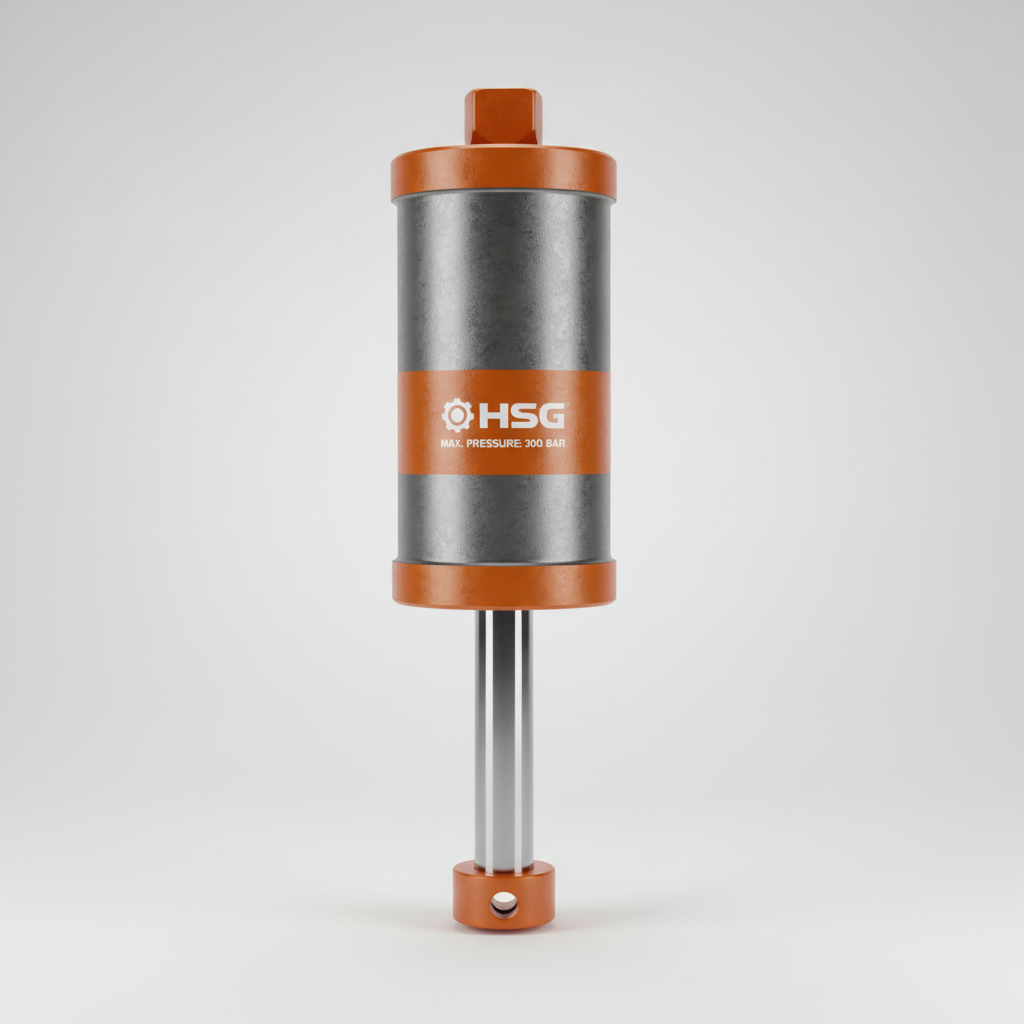
Understanding the high quality single acting hydraulic cylinder price requires a look beyond the initial sticker cost, focusing instead on the total cost of ownership and operational efficiency. A single-acting cylinder, which uses hydraulic pressure for one direction of movement and a spring or gravity for return, is a cornerstone of industrial lifting and clamping systems.
In the competitive landscape of hydraulic machinery, procurement teams often struggle to balance budget constraints with the need for reliability. Low-cost alternatives frequently lead to premature seal failure and unplanned downtime, making the investment in high-grade components a strategic operational decision rather than a mere expense.
This guide provides a technical and commercial analysis of high-quality single-acting cylinders, examining how material selection, precision machining, and supplier expertise influence both the price and the long-term performance of your hydraulic systems.

1Fundamentals of Single Acting Hydraulic Cylinders

A single-acting hydraulic cylinder is designed to generate force in only one direction. The extension is powered by hydraulic fluid pumped into the cylinder, while the retraction is typically achieved by an internal spring or an external load, such as gravity. This simplicity reduces the complexity of the hydraulic circuit, requiring fewer hoses and valves compared to double-acting systems.
When analyzing the high quality single acting hydraulic cylinder price, it is essential to recognize that the "simplicity" of the design does not mean a lack of engineering. High-end cylinders utilize superior metallurgy and tight tolerances to ensure that the single-direction force is consistent and the return stroke is smooth.
For many enterprises, selecting these cylinders is a matter of matching the mechanical return capability with the application requirements. Failure to properly calculate the return spring rate or gravity load can lead to incomplete retraction, impacting the entire production cycle.
2Core Technical Features Influencing Quality
Quality in hydraulic cylinders is defined by the precision of the bore and the integrity of the sealing system. High-quality units often feature honed tubing with a mirror-like finish, which reduces friction and prevents the rapid wear of seals. This attention to detail is a primary driver of the price difference between economy and premium grades.
Sealing technology is another critical factor. Premium cylinders utilize advanced polymers and Viton seals that can withstand extreme temperature fluctuations and high pressure without leaking. Leaks not only waste fluid but can cause catastrophic system failure in heavy-duty machinery.
Furthermore, the quality of the raw materials used in the cylinder head and base determines the component's ability to withstand fatigue. High-grade forged steel is preferred over cast iron for applications involving high-frequency cycling to prevent stress cracking over time.
3Primary Industrial Applications and Use Cases
Single-acting cylinders are ubiquitous in industries where vertical movement is the primary requirement. In automotive tail-lift systems and flying wing car modifications, these cylinders provide the necessary lift, while the weight of the platform ensures a controlled descent. This makes them highly efficient for logistics and transport vehicle modifications.
In the agricultural sector, specifically in paddy field flat oil cylinders and harvester components, the ability to withstand contaminants like mud and dust is paramount. High-quality cylinders in these scenarios are equipped with robust wipers and dust seals to protect the internal hydraulic oil from pollution.
Mining and gravel processing also rely on these components for heavy-duty pressing and lifting. In these high-impact environments, the quality of the cylinder's structural reinforcement determines whether the equipment lasts for months or years, directly impacting the ROI of the machinery.
4Performance Analysis and Cost Correlation
There is a direct correlation between the initial investment in a high quality single acting hydraulic cylinder price and the reduction in operational expenditure (OPEX). While a premium cylinder may cost more upfront, the increase in mean time between failures (MTBF) significantly reduces the cost of emergency repairs and lost production time.
Analyzing performance metrics shows that premium cylinders maintain pressure stability far longer than low-cost alternatives. Pressure drops in lower-grade cylinders often result from internal leakage across the piston seal, leading to "drift" where the load slowly sinks during operation.
high quality single acting hydraulic cylinder price Performance Metrics
As demonstrated in the data, the performance gap becomes most evident in seal longevity and maintenance intervals. High-quality components typically offer a 40% to 60% increase in operational lifespan, which outweighs the initial price premium within the first year of heavy use.
5Strategic Procurement and Selection Criteria
When sourcing hydraulic components, procurement teams should focus on a technical specification matrix rather than price alone. Key criteria include the rated pressure (Mpa), the displacement (ml/r), and the material grade of the cylinder walls. Verifying these specs ensures the component can handle the actual peak loads of the application.
Compatibility with the existing power unit is also vital. For instance, ensuring the solenoid valve voltage (e.g., 24V or 220V) and motor power (e.g., 2.2KW or 3KW) are aligned with the cylinder's flow requirements prevents system overheating and pump cavitation.
Finally, evaluating the supplier's industry experience is a proxy for quality. Companies located in dedicated hydraulic machinery bases often have better access to precision tooling and specialized raw materials, leading to more consistent product quality across large orders.
6Operational Constraints and Maintenance Needs
No hydraulic component is maintenance-free. The primary constraint for single-acting cylinders is the dependency on the return mechanism. If a return spring loses tension or a gravity load is insufficient, the cylinder will fail to retract, halting the operational workflow.
Oil viscosity is a critical operational variable. Using oil outside the recommended range (typically 15-68 cst) can lead to increased friction and accelerated seal wear. Using N46 hydraulic oil is generally recommended for balanced performance across various temperatures.
Contamination remains the leading cause of hydraulic failure. Implementing a strict cleaning protocol for all hydraulic parts before mounting the power unit can extend the life of the cylinder by preventing abrasive particles from scratching the cylinder bore.
7Comparing Quality Tiers for Decision Making
Choosing the right cylinder requires a comparison between different quality tiers based on the specific needs of the machinery. For critical safety applications, such as lifting platforms, the highest quality tier is non-negotiable due to the risk associated with seal failure.
In contrast, for simple, low-frequency applications like occasional clamping, a mid-tier cylinder may provide sufficient service without the premium cost of extreme-duty components.
| Quality Tier | Material Spec | Expected Lifespan | Best Use Case |
|---|---|---|---|
| Economy | Standard Steel | 6-12 Months | Low-load, Rare use |
| Standard | Hardened Steel | 1-2 Years | General Industrial |
| Premium | Forged Alloy | 3-5 Years | Heavy Duty / Mining |
| Ultra-High | Special Alloy | 5+ Years | Critical Infrastructure |
| Custom | Application-Specific | Variable | OEM Special Needs |
| Industrial Grade | Precision Honed | 2-4 Years | Automotive / Logistics |
Ultimately, the high quality single acting hydraulic cylinder price reflects the reduction in risk. By investing in premium materials and precision engineering, enterprises ensure that their equipment remains operational, safe, and efficient over a much longer time horizon.
Frequently Asked Questions
Conclusion
Investing in a high quality single acting hydraulic cylinder price is an investment in operational stability and long-term cost reduction. By prioritizing material integrity, precision machining, and reputable sourcing, companies can avoid the hidden costs of downtime and frequent replacements that plague budget-grade installations.
For procurement professionals and engineers seeking reliable hydraulic solutions, we recommend evaluating components based on their total lifecycle value. For detailed specifications and available product options, you may explore the technical resources available at www.hebeishenghan.com.