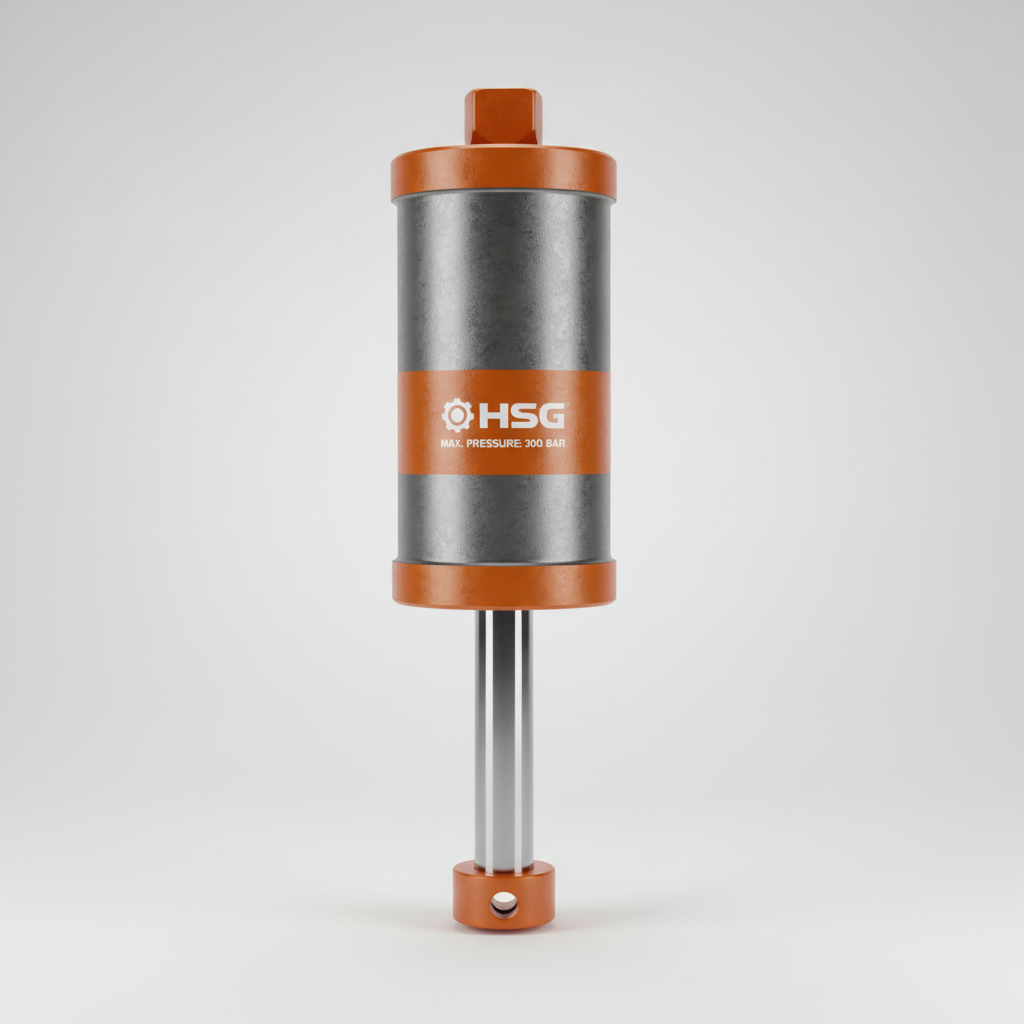
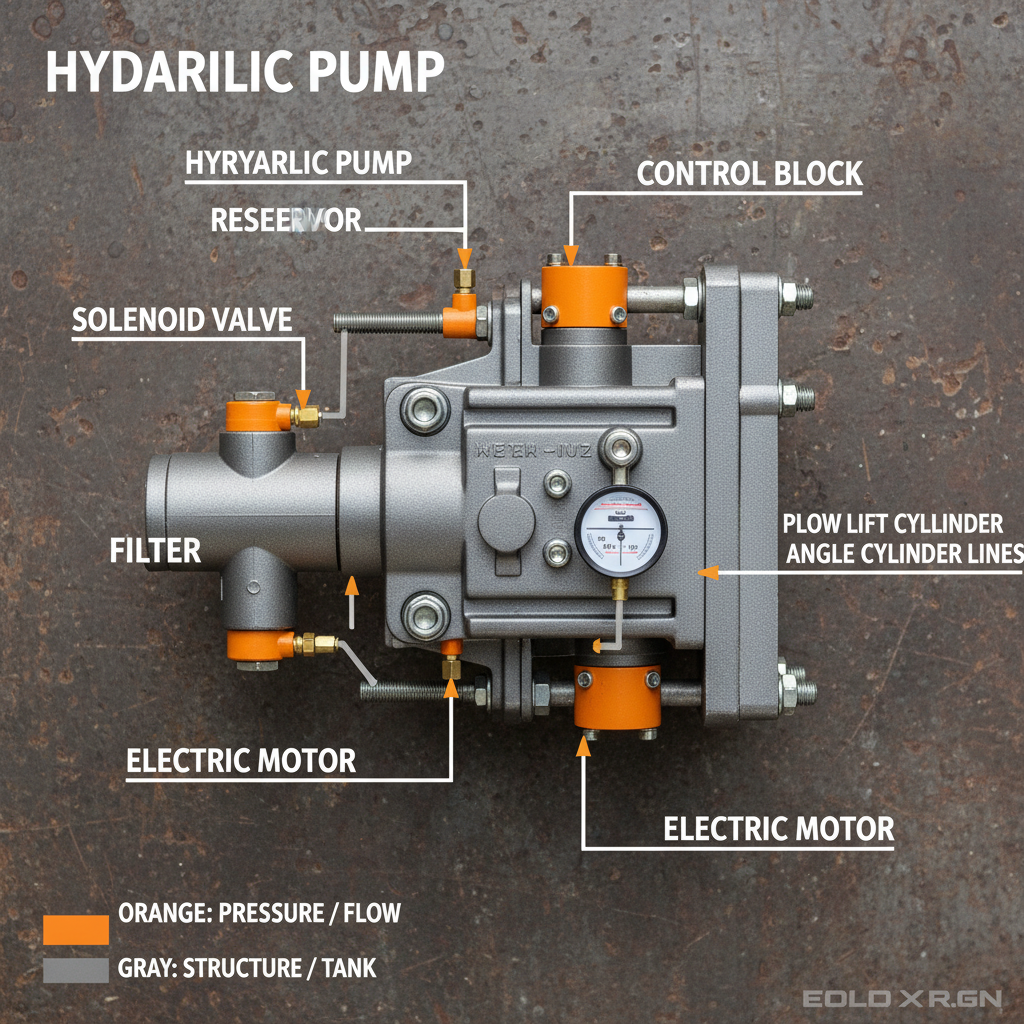
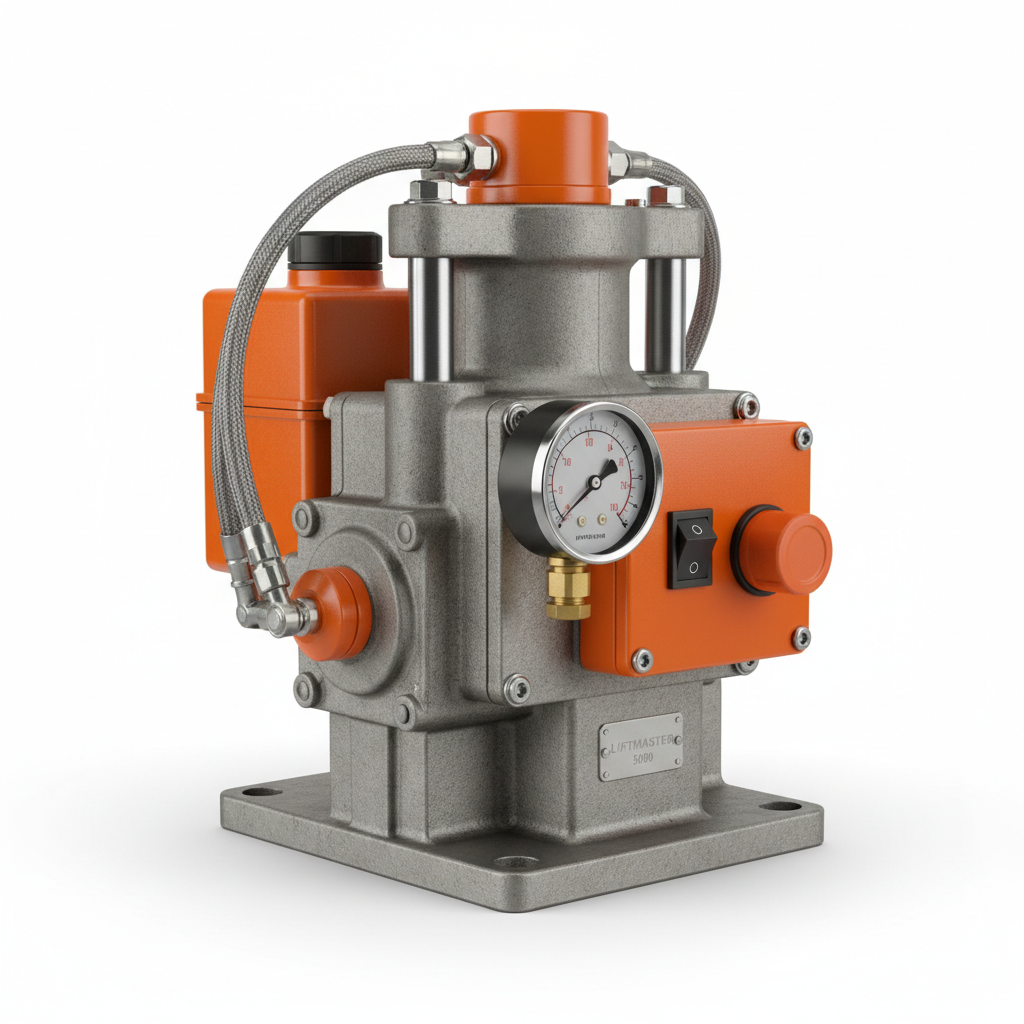
In the modern landscape of industrial automation, the demand for compact yet powerful actuation has led to the widespread adoption of the high quality mini electric hydraulic cylinder system. These integrated power units provide a seamless bridge between electrical energy and fluid power, allowing for precise movement in spaces where traditional large-scale hydraulic stations are impractical. By combining a DC or AC motor with a specialized gear pump and solenoid valves, these units offer a reliable solution for lifting, clamping, and positioning tasks across various manufacturing sectors.
The global shift toward miniaturization in machinery design means that efficiency is no longer just about output, but about the ratio of power to footprint. A high quality mini electric hydraulic cylinder power unit ensures that operators can achieve high pressures—up to 22 Mpa in some configurations—without requiring massive infrastructure. This technological evolution supports a broader trend of "smart" factories where agility and modularity are key to maintaining a competitive edge in the global market.
Understanding the technical nuances of these units, from the duty cycle (S3) to the specific viscosity requirements of hydraulic oil, is essential for ensuring long-term operational stability. Whether it is a 12V system for mobile equipment or a 380V unit for heavy industrial lines, the synergy between the motor, the overflow valve, and the fuel tank defines the system's overall performance. Investing in a high quality mini electric hydraulic cylinder setup reduces downtime and increases the safety and precision of mechanical movements.
Global Relevance of Mini Electric Hydraulic Systems
On a global scale, the transition toward automated production has increased the reliance on compact power solutions. According to industry trends aligned with ISO standards for fluid power, the integration of electric motors with hydraulic pumps allows for a drastic reduction in energy waste and a significant decrease in the physical footprint of machinery. This makes the high quality mini electric hydraulic cylinder an indispensable tool for SMEs (Small and Medium Enterprises) that cannot afford sprawling hydraulic installations.
Furthermore, the versatility of voltage options—ranging from 12V DC for portable devices to 380V AC for factory floors—allows these systems to be deployed in diverse environments, from remote agricultural sites to high-tech urban laboratories. The challenge of achieving high force in a small package is solved by the precision engineering of the gear pump and the efficient management of the overflow valve, ensuring that the system remains stable even under peak loads.
Defining the High Quality Mini Electric Hydraulic Cylinder
In simple technical terms, a high quality mini electric hydraulic cylinder power unit is an electro-hydraulic assembly designed to generate fluid pressure for the operation of hydraulic actuators. Unlike massive industrial pumps, these "mini" units integrate the motor, reservoir, pump, and valves into a single, compact chassis. This integration eliminates the need for complex external piping and reduces the risk of leakages, making the system far more efficient for specialized tasks.
Modern industry requires these units to be not only powerful but also controllable. The use of double-action solenoid valves allows for bidirectional control, meaning the cylinder can extend and retract with high precision. This is critical for applications such as precision lifting tables or automated clamping mechanisms where a fraction of a millimeter can determine the quality of a finished part.
Beyond the hardware, the "quality" aspect refers to the adherence to strict duty cycles and material standards. For instance, a high-quality unit is designed with an S3 duty cycle (30 seconds on, 270 seconds off), which prevents motor burnout and ensures that the thermal expansion of the hydraulic oil is managed effectively, prolonging the life of the internal seals and the pump assembly.
Core Components and Technical Synergy
The heart of a high quality mini electric hydraulic cylinder system is the synergy between the DC/AC motor and the gear pump. The motor provides the rotational energy required to drive the pump, which in turn displaces hydraulic fluid from the tank into the system. Displacement values (e.g., 2.1ml/r to 4.2ml/r) are carefully calibrated to balance the speed of the cylinder's movement with the pressure required for the load.
Crucial to the system's safety is the overflow valve and the oil absorption filter screen. The overflow valve acts as a pressure relief mechanism, preventing the system from exceeding its rated Mpa (typically between 15 and 22 Mpa), while the filter screen ensures that no impurities enter the gear pump, which would otherwise cause catastrophic scoring and efficiency loss in a high quality mini electric hydraulic cylinder.
Finally, the tank capacity—varying from 3L to 25L—plays a vital role in thermal management. A larger tank allows the oil to cool more effectively between cycles, which is essential for maintaining the viscosity of the N46 hydraulic oil. This combination of a robust motor, precise solenoid valves, and a properly sized reservoir ensures that the unit delivers consistent force throughout its operational life.
Performance Metrics and Power Scaling
Selecting the right high quality mini electric hydraulic cylinder power unit requires a deep dive into the relationship between voltage, power, and pressure. For lightweight, mobile applications, 12V or 24V DC motors (1.5KW to 2.0KW) are ideal, providing sufficient displacement (2.1-2.5ml/r) to handle small loads. As the demand for force increases, the transition to 220V or 380V systems allows for higher power outputs (up to 3.0KW) and larger tank capacities, which are necessary for continuous industrial operations.
The efficiency of these systems is often measured by their ability to maintain stable pressure while minimizing energy consumption. By optimizing the gear pump displacement and the overflow valve settings, these units can achieve high-pressure outputs (up to 22 Mpa) without overloading the motor, provided the S3 duty cycle is strictly observed.
Performance Rating of Mini Electric Hydraulic Configurations
Industrial Applications and Use Cases
The versatility of the high quality mini electric hydraulic cylinder makes it a staple in diverse fields. In the automotive sector, these units are frequently used in compact vehicle lifts and specialized workshop equipment where space is at a premium. The ability to use a 12V or 24V system allows these power units to be integrated directly into a vehicle's electrical system, enabling on-the-go hydraulic operation for tail lifts or tipping mechanisms.
Beyond automotive, these units are essential in the medical and laboratory sectors for height-adjustable surgical tables and precise sample positioning systems. In these environments, the noise reduction of a well-engineered gear pump and the smooth transition provided by the solenoid valve are critical for maintaining a professional and sterile atmosphere. Whether it is used in a small-scale factory in Southeast Asia or a high-precision lab in Europe, the reliability of the high quality mini electric hydraulic cylinder remains constant.
Long-Term Value and Operational Reliability
The long-term value of investing in a high quality mini electric hydraulic cylinder lies in its ability to minimize total cost of ownership (TCO). By utilizing durable components like the double-action solenoid valve and high-grade gear pumps, users reduce the frequency of unplanned breakdowns. The inherent reliability of these systems provides peace of mind to operators, knowing that the equipment will perform consistently under the specified S3 duty cycle.
From a sustainability perspective, the high efficiency of modern electric motors reduces energy consumption compared to older, less optimized hydraulic systems. Additionally, the compact design reduces the amount of raw material required for installation and housing, contributing to a smaller industrial footprint. This aligns with global initiatives to create more sustainable and "lean" manufacturing processes.
Ultimately, trust in a hydraulic system is built on safety. The inclusion of an overflow valve ensures that the high quality mini electric hydraulic cylinder will not catastrophically fail if a load exceeds the system's limits. This logical safety layer, combined with the precision of electric control, ensures a safe working environment for personnel while maximizing the output of the machinery.
Maintenance Standards for Maximum Longevity
To maintain the peak performance of a high quality mini electric hydraulic cylinder, strict adherence to maintenance protocols is non-negotiable. First and foremost, the hydraulic oil viscosity must be kept between 15-68 cst, with N46 oil being the recommended standard. Contamination is the primary enemy of hydraulic systems; therefore, ensuring that the oil is clean and free of impurities is essential to prevent gear pump wear.
Oil change intervals are another critical factor. It is recommended to change the oil after the initial 100 hours of operation to remove any microscopic debris from the manufacturing process. Following this, a regular change every 3000 hours ensures that the lubrication properties of the oil remain intact and that oxidation does not compromise the internal valves.
Finally, the physical installation of the high quality mini electric hydraulic cylinder must be horizontal. Mounting the unit at an angle can lead to oil aeration and inconsistent priming of the pump, which can cause cavitation and permanent damage to the pump internals.
Technical Specification Analysis for Mini Electric Hydraulic Units
| Voltage Class |
Max Pressure (Mpa) |
Power Output (KW) |
Typical Tankage (L) |
| 12V DC |
20 Mpa |
1.5 KW |
3L - 6L |
| 24V DC |
20 Mpa |
2.0 KW |
5L - 16L |
| 220V AC |
22 Mpa |
1.5 KW |
6L - 12L |
| 380V AC (Std) |
20 Mpa |
3.0 KW |
20L |
| 380V AC (High) |
16 Mpa |
3.0 KW |
25L |
| Custom Industrial |
18-22 Mpa |
2.2 KW |
14L - 16L |
FAQS
The S3 duty cycle specifies that the motor is designed for intermittent operation. In the context of our high quality mini electric hydraulic cylinder units, this means the motor should run for a maximum of 30 seconds, followed by a resting period of 270 seconds. This cycle prevents the motor from overheating and ensures the hydraulic oil maintains a stable temperature, which is critical for preserving the integrity of the seals and the pump's efficiency.
We strongly recommend using N46 hydraulic oil. The oil must have a viscosity between 15-68 cst and be completely free of impurities. Using the correct oil grade ensures optimal lubrication of the gear pump and efficient operation of the solenoid valves, preventing premature wear and ensuring that the high quality mini electric hydraulic cylinder system operates smoothly.
No, the power unit must be mounted horizontally. Vertical installation can lead to issues with oil suction, as the pump may not be fully primed, leading to aeration or cavitation. This can cause loud noise, vibration, and permanent damage to the internal gear pump, compromising the performance of your high quality mini electric hydraulic cylinder system.
For new installations, the first oil change should occur after the first 100 hours of running to remove any initial break-in particles. After the first change, you should replace the oil every 3000 hours of operation. Regular oil changes are essential to maintain the purity of the fluid and the efficiency of the high quality mini electric hydraulic cylinder power unit.
The overflow valve serves as a critical safety mechanism. It prevents the system from building up pressure beyond the rated limit (e.g., 20 or 22 Mpa). If the cylinder hits a hard stop or an overload occurs, the valve opens to redirect fluid back into the tank, protecting the motor and pump from catastrophic failure and ensuring the safe operation of the high quality mini electric hydraulic cylinder.
Yes, these units are equipped with double-action solenoid valves. This allows the operator to control the flow of oil in two directions, enabling the hydraulic cylinder to both extend and retract. This makes the high quality mini electric hydraulic cylinder an ideal choice for applications requiring precise, bidirectional movement, such as lifting and lowering platforms.
Conclusion
The high quality mini electric hydraulic cylinder power unit represents a perfect balance of compact design and industrial-grade power. By integrating a DC or AC motor with precision gear pumps and solenoid valves, these systems provide the flexibility and force required for modern automation. From the strict adherence to the S3 duty cycle to the use of N46 hydraulic oil, the longevity and reliability of these units are rooted in technical precision and consistent maintenance.
As industries continue to evolve toward smaller, smarter, and more sustainable machinery, the role of integrated electro-hydraulic solutions will only grow. We encourage engineers and procurement specialists to prioritize units that offer adjustable voltage and tank capacities to match their specific application needs. For those seeking a reliable, efficient, and compact power solution, visiting our website at www.hebeishenghan.com is the first step toward optimizing your hydraulic infrastructure.