
Mar . 06, 2026 02:45 Back to list
China Hydraulic Cylinder Relief Valve A Comprehensive Guide To Selection
China Hydraulic Cylinder Relief Valve: A Comprehensive Guide
Hydraulic systems are the backbone of many industries, and the reliability of their components is paramount. Among these components, the china hydraulic cylinder relief valve plays a critical role in protecting the system from overpressure. This article delves into the function, types, applications, and selection criteria for these essential valves, providing a detailed overview for engineers, technicians, and anyone involved in hydraulic systems. Understanding these valves is crucial for ensuring the longevity and safety of hydraulic machinery.
Understanding the Function of a Hydraulic Cylinder Relief Valve
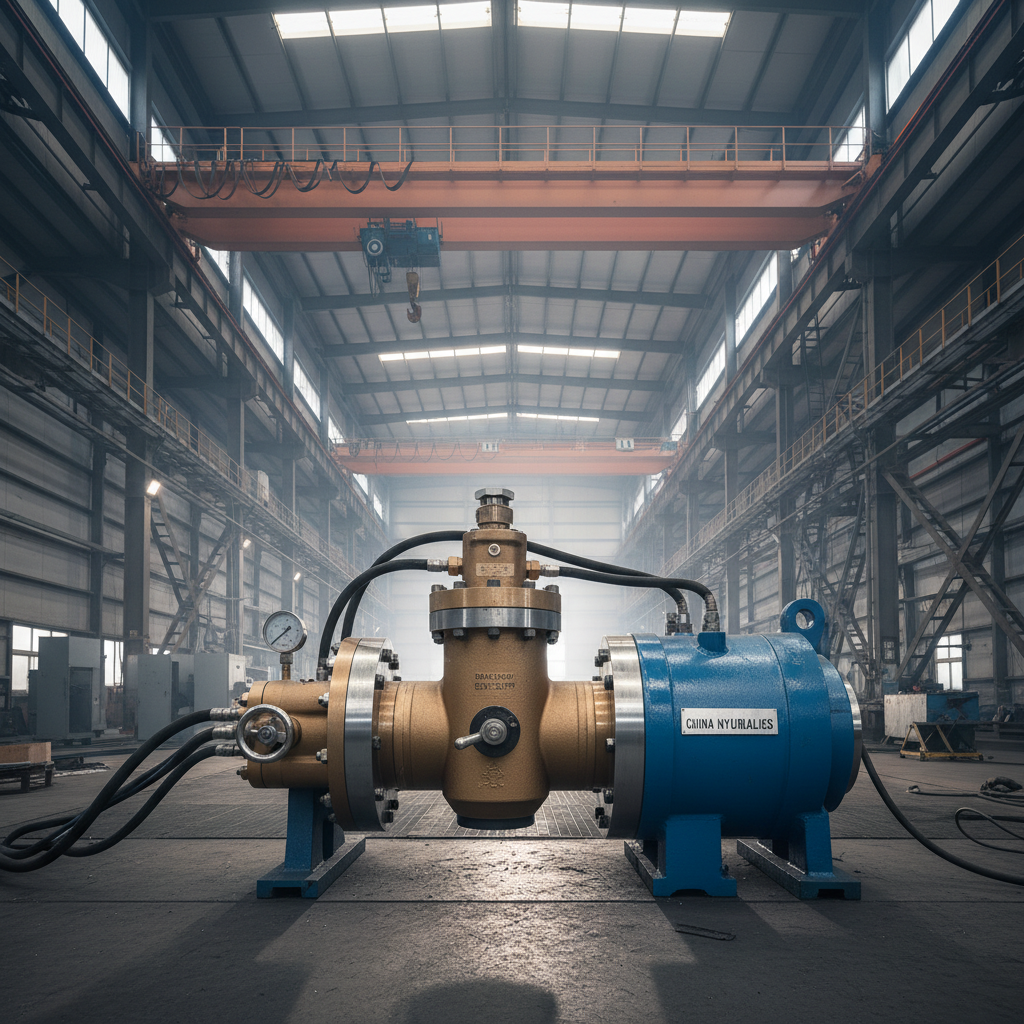
A hydraulic cylinder relief valve is a safety device designed to limit the maximum pressure in a hydraulic system. When the pressure exceeds a predetermined set point, the valve opens, diverting excess fluid back to the reservoir, thereby preventing damage to the system components, including the hydraulic cylinder, pump, and hoses. This protection is vital for maintaining operational efficiency and preventing costly repairs. Relief valves are typically spring-loaded, with the spring tension determining the pressure at which the valve opens. The relief valve acts as a crucial safeguard against unexpected pressure surges.
Key Benefits: Protecting hydraulic system components, preventing damage, ensuring operational efficiency, and improving safety.
Types of China Hydraulic Cylinder Relief Valves
Several types of relief valves are available, each suited for specific applications. Direct-acting relief valves open directly in response to pressure, offering fast response times. Pilot-operated relief valves utilize a pilot valve to control the main valve, allowing for lower cracking pressures and higher flow capacities. Another common type is the cartridge relief valve, which is compact and easy to integrate into manifold blocks. The choice of valve type depends on factors such as system pressure, flow rate, and required response time. Hebei Shenghan offers a wide array of these options.
Relief Valve Types:
• Direct-Acting
• Pilot-Operated
• Cartridge
Comparing Direct-Acting vs. Pilot-Operated Relief Valves
Choosing between direct-acting and pilot-operated relief valves requires careful consideration of the application’s needs. Direct-acting valves are simpler and more responsive, making them suitable for systems with rapidly changing pressures. However, they require higher operating pressures to initiate opening. Pilot-operated valves offer lower cracking pressures and can handle higher flow rates, making them ideal for large hydraulic systems. They are less responsive due to the pilot valve’s operation. The following table summarizes the key differences:
Applications of Hydraulic Cylinder Relief Valves
These valves are vital across numerous industries. In construction equipment like excavators and bulldozers, they protect hydraulic cylinders from overpressure during digging and lifting operations. In agricultural machinery, they safeguard hydraulic systems in tractors and harvesters. Industrial presses, injection molding machines, and other manufacturing equipment rely on relief valves for safe and reliable operation. China hydraulic cylinder relief valves are increasingly used in robotics and automation systems due to their precision and reliability.
Selecting the Right Relief Valve: Key Considerations
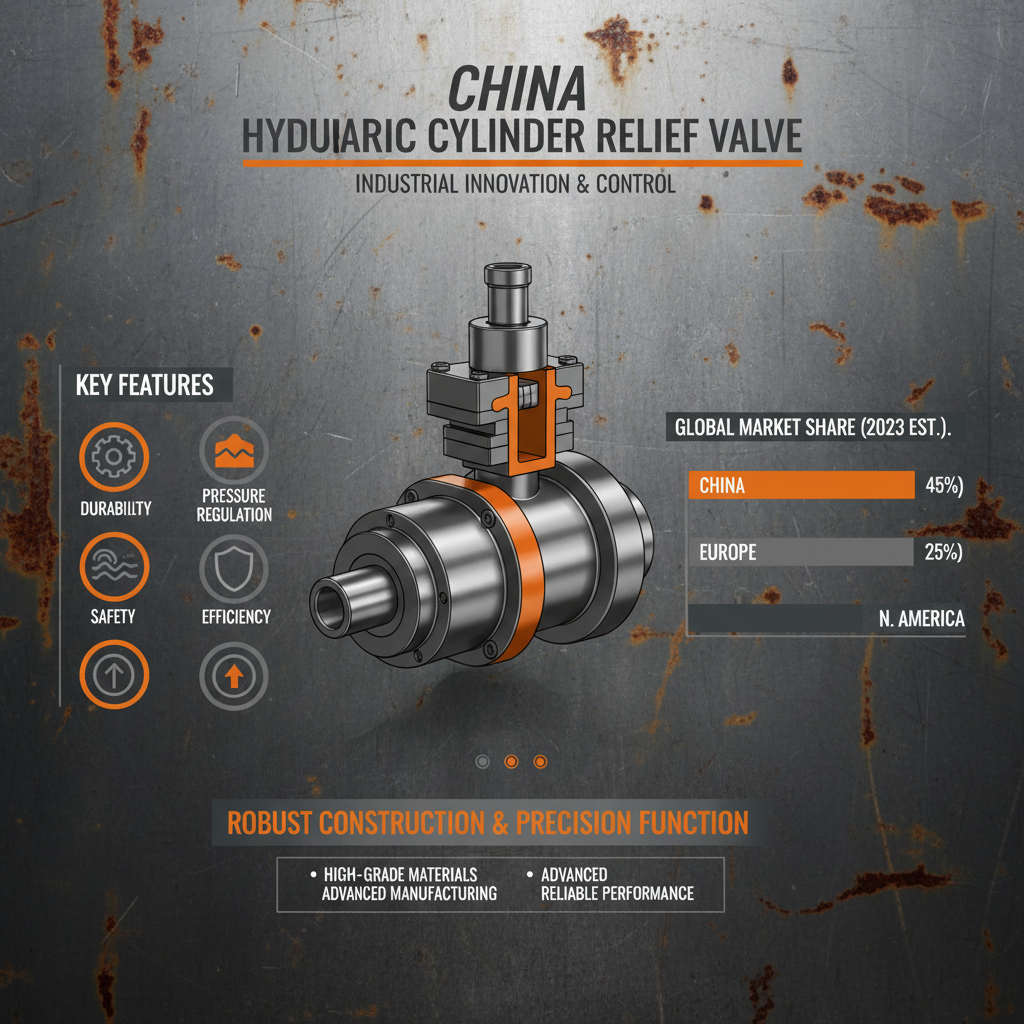
Selecting the appropriate relief valve requires careful consideration of several factors. The maximum system pressure, flow rate, fluid type, and operating temperature are crucial parameters. The valve’s material compatibility with the hydraulic fluid is also essential to prevent corrosion and ensure long-term reliability. Ensure the valve meets relevant industry standards and certifications. Partnering with a reputable supplier like Hebei Shenghan can provide expert guidance in selecting the optimal valve for your specific application.
Conclusion: Ensuring Hydraulic System Reliability
Investing in high-quality china hydraulic cylinder relief valves is crucial for protecting your hydraulic systems, preventing costly downtime, and ensuring operational safety. By understanding the different types of valves and their applications, you can make informed decisions that optimize performance and longevity. Don't compromise on quality – choose a reliable supplier and prioritize safety.
Frequently Asked Questions (FAQs)
What is the typical lifespan of a hydraulic relief valve?
The lifespan of a hydraulic relief valve varies based on operating conditions, fluid cleanliness, and maintenance. However, a well-maintained valve can typically last for 5-10 years. Regular inspection for signs of wear, leakage, or corrosion is essential. Contaminated hydraulic fluid is a major contributor to valve failure, so maintaining proper filtration is crucial. Scheduled preventative maintenance, including cleaning and testing, can significantly extend the valve's lifespan.
How do I adjust the pressure setting on a relief valve?
Adjusting the pressure setting typically involves turning an adjustment screw or knob on the valve. Before making any adjustments, ensure the hydraulic system is depressurized. Turning the screw clockwise usually increases the pressure setting, while turning it counterclockwise decreases it. Make small adjustments and monitor the system pressure with a gauge. Always refer to the manufacturer’s instructions for specific guidance on adjusting the pressure setting for your particular valve model.
What causes a relief valve to leak?
Several factors can cause a relief valve to leak. Common causes include worn or damaged seals, debris lodged in the valve seat, improper adjustment, or excessive system pressure. Contaminated hydraulic fluid can also damage the valve's internal components, leading to leakage. Regular inspection and maintenance, including fluid filtration and seal replacement, can help prevent leakage.
Are relief valves compatible with all types of hydraulic fluid?
Not all relief valves are compatible with all types of hydraulic fluid. It’s crucial to ensure the valve’s materials are compatible with the fluid being used to prevent corrosion, swelling, or degradation of the seals. Commonly used hydraulic fluids include mineral oil, synthetic fluids, and water-glycol mixtures. Check the valve manufacturer’s specifications to confirm compatibility before installation.
-
High Quality China Stage Hydraulic Cylinder for Professional Stage
NewsApr.16,2026
-
Guide to Selecting High Quality China Hydraulic Pneumatic Cylinder
NewsApr.09,2026
-
China Top Link Hydraulic Cylinder Solutions for Agricultural and Industrial Needs
NewsApr.07,2026
-
China Snap Ring Hydraulic Cylinder Solutions for Optimal Performance and Reliability
NewsApr.04,2026
-
China ISO Hydraulic Cylinder Solutions for Optimal Equipment Performance
NewsMar.31,2026
-
Comprehensive Guide to China Hydraulic Telescopic Cylinder Solutions
NewsMar.28,2026