
Sep . 29, 2025 05:45 Back to list
1.5 Ton Lifting Cylinder-Hebei Shenghan|Precision Engineering&Durability
Introduction
The 1.5-ton lifting cylinder is a high-performance hydraulic component designed for industrial lifting and positioning applications. Manufactured by Hebei Shenghan Hydraulic Machinery Co., Ltd., this product combines advanced engineering with robust materials to deliver reliability and precision. Whether in automotive, construction, or manufacturing settings, this cylinder ensures efficient operation under demanding conditions.
Key Features and Advantages
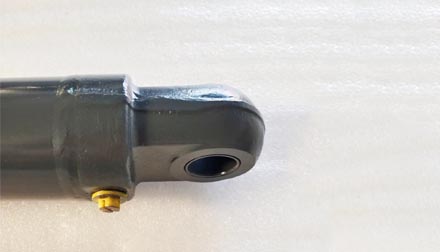
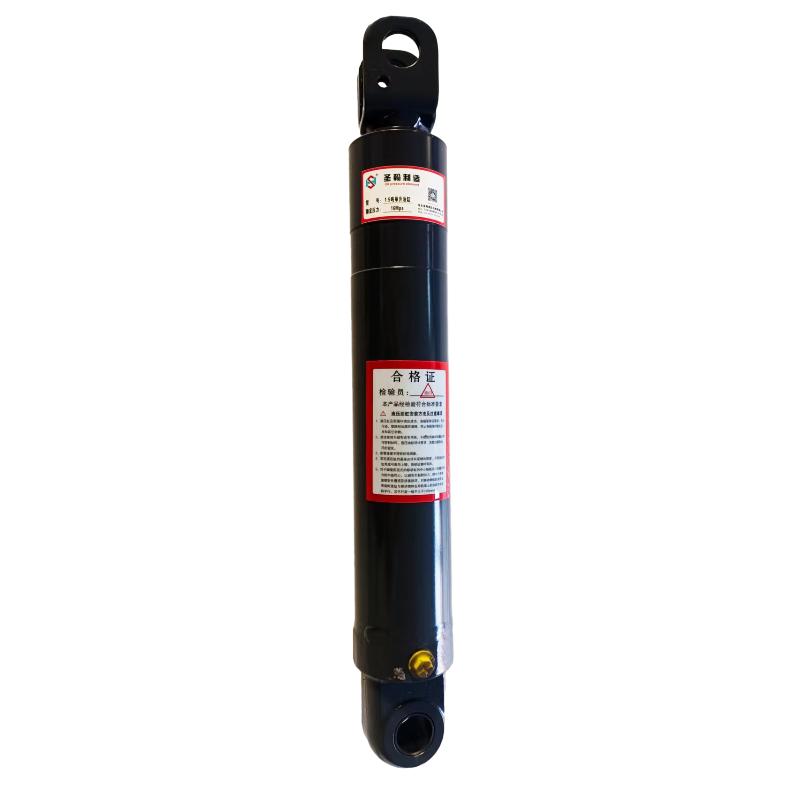
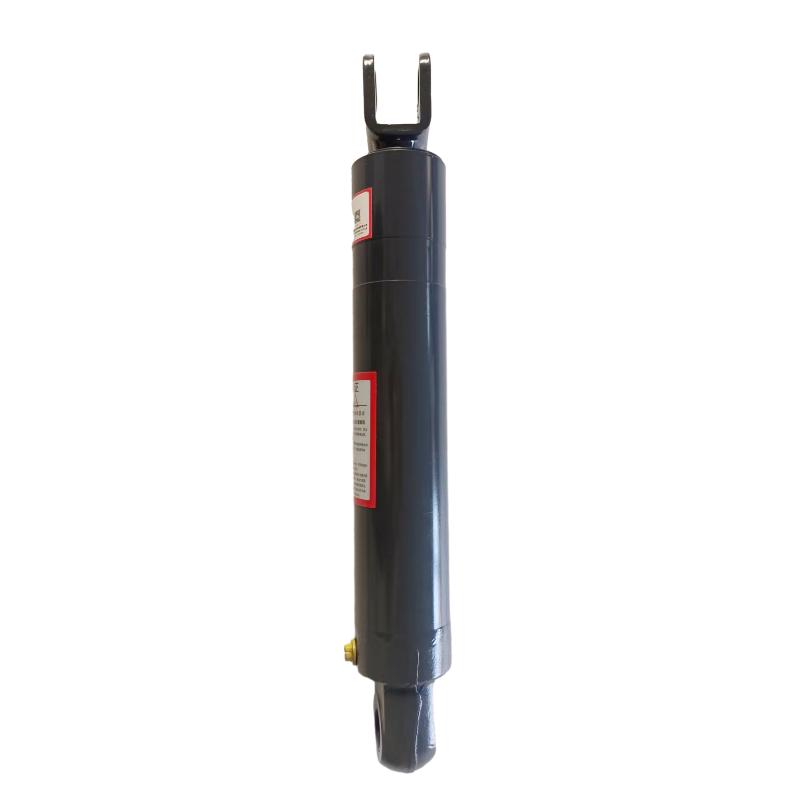
The 1.5-ton lifting cylinder 70/82-40-290-535 is engineered to meet the rigorous demands of modern industrial applications. Below are its core features and advantages:
- High-Strength Construction: The cylinder is made from 20 carbon steel, ensuring durability and resistance to wear. The piston rod, crafted from 45 carbon steel with a chrome-plated surface, enhances corrosion resistance and longevity.
- Advanced Sealing Technology: Seals are designed by Indel, a leader in sealing solutions, ensuring minimal leakage and optimal performance under high pressure.
- Customization Options: The product can be tailored to specific requirements, making it adaptable for diverse applications.
- Surface Protection: A gray baking paint finish provides additional protection against environmental factors, extending the cylinder's service life.
- Compatibility: The G3/8 oil port and 30×34×45 oil-free bearings ensure seamless integration with existing hydraulic systems.

Technical Specifications
| Parameter | Details |
|---|---|
| Load Capacity | 1.5 tons |
| Cylinder Type | 70/82 inner wall grinding tube |
| Piston Rod | 40mm diameter, 45 carbon steel, chrome-plated |
| Oil Port | G3/8 |
| Seals | Indel brand |
| Surface Finish | Gray baking paint |
| Mounting Components | 30×34×45 oil-free bearings |
Application Scenarios
The 1.5-ton lifting cylinder is ideal for applications requiring precise vertical movement and heavy lifting. Common use cases include:
- Automotive Industry: Used in vehicle lifting systems for maintenance and repair tasks.
- Construction Equipment: Integrates into cranes and hoists for material handling.
- Manufacturing: Supports automated machinery for positioning and assembly processes.
- Material Handling: Enhances efficiency in warehouses and logistics operations.
Installation and Maintenance Guidelines
To ensure optimal performance and longevity, follow these critical guidelines:
- Cleanliness: Keep the hydraulic cylinder and surroundings free from debris. Seal the fuel tank to prevent contamination.
- Material Selection: Use non-velvet cloths or special paper for cleaning. Avoid hemp thread or adhesive as sealing materials.
- Oil Management: Adhere to design specifications for hydraulic oil. Monitor oil temperature and pressure regularly.
- Mounting Stability: Ensure the base has sufficient stiffness to prevent bending of the piston rod.
- Alignment: Maintain concentricity between the cylinder's central axis and load force direction to avoid lateral forces.
About Hebei Shenghan Hydraulic Machinery Co., Ltd.
Hebei Shenghan Hydraulic Machinery Co., Ltd. is a leading manufacturer of hydraulic components, specializing in hydraulic lift cylinders and hydraulic hoist cylinders. With years of experience, the company combines innovation and quality to deliver solutions that meet global standards. Their commitment to precision and reliability has established them as a trusted name in the industry.
Why Choose This Lifting Cylinder?
The 1.5-ton lifting cylinder 70/82-40-290-535 stands out for its combination of durability, precision, and adaptability. Key benefits include:
- Enhanced Safety: The robust design minimizes risks of failure during critical operations.
- Cost-Effectiveness: Long service life reduces the need for frequent replacements.
- Customization: Tailored solutions for unique application requirements.
- Compliance: Adheres to industry standards for hydraulic systems.
References and Authoritative Citations
According to the National Institute of Standards and Technology (NIST), precision in hydraulic systems is critical for ensuring safety and efficiency in industrial applications. NIST's research on measurement standards highlights the importance of high-quality components like the 1.5-ton lifting cylinder in maintaining operational integrity (NIST, 2025).
Additionally, the NIST emphasizes the role of standardized testing in validating the performance of hydraulic components, ensuring they meet the demands of modern engineering (NIST, 2025).
-
High Quality China Stage Hydraulic Cylinder for Professional Stage
NewsApr.16,2026
-
Guide to Selecting High Quality China Hydraulic Pneumatic Cylinder
NewsApr.09,2026
-
China Top Link Hydraulic Cylinder Solutions for Agricultural and Industrial Needs
NewsApr.07,2026
-
China Snap Ring Hydraulic Cylinder Solutions for Optimal Performance and Reliability
NewsApr.04,2026
-
China ISO Hydraulic Cylinder Solutions for Optimal Equipment Performance
NewsMar.31,2026
-
Comprehensive Guide to China Hydraulic Telescopic Cylinder Solutions
NewsMar.28,2026