
Oct . 21, 2025 11:50 Back to list
1.5 Ton Flipping Oil Cylinder 70/82-40-217-720 | Heavy-Duty
I spent a few days in Ningjin County, Hebei—East Village, Dongzao Village to be precise—where machine shops still smell like coolant and gray baking paint. That’s where I first handled the 1.5 Ton Flipping Oil Cylinder 70/82-40-217-720. It looks modest, but in real-world lifting jigs and flip tables, this unit is the quiet muscle in the back room.
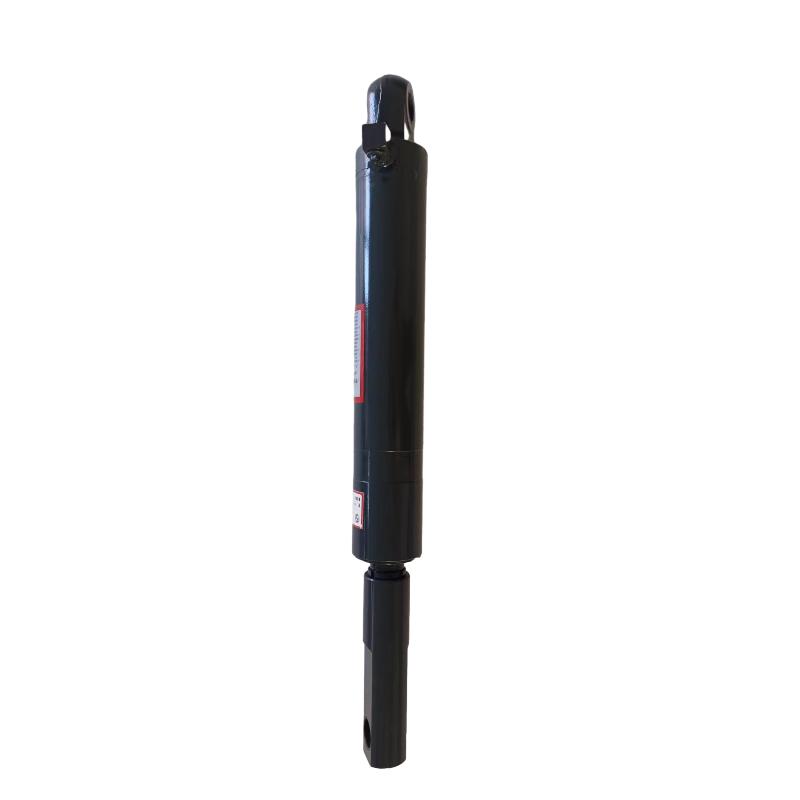
Under the paint, the cylinder body uses a 70/82 inner-wall grinding tube made from 20# carbon steel, while the piston rod is 40 mm diameter 45# carbon steel with a hard-chrome finish. Oil-free bearings (30×34×45) sit at the base, the oil port is G3/8, and the surface is a resilient gray baking paint. Simple on paper, sure, but the finishing quality matters more than the brochure admits.
Why this model is trending
Factories are consolidating SKUs and asking for cylinders that slip into conveyors, compact dump fixtures, agricultural hatches, or small tipping carriages without endless adapters. The 1.5 Ton Flipping Oil Cylinder 70/82-40-217-720 aligns with that: metric tube, G-thread ports, and chromed rod that resists pitting in dusty, slightly humid shops. Many customers say it “just fits,” which, to be honest, is half the battle.
Key specs (field-proven)
| Parameter | Value |
|---|---|
| Rated load | ≈ 1.5 ton (real-world use may vary) |
| Cylinder tube | 20# carbon steel, ID ≈ 70 mm / OD ≈ 82 mm, honed |
| Piston rod | Ø40 mm, 45# steel, hard chrome |
| Port | G3/8 |
| Stroke (code) | ≈ 720 mm (per 70/82-40-217-720 series) |
| Bearings | Oil-free 30×34×45 |
| Finish | Gray baking paint |
| Proof/pressure test | Typically 1.5× rated pressure; leakage within ISO acceptance |
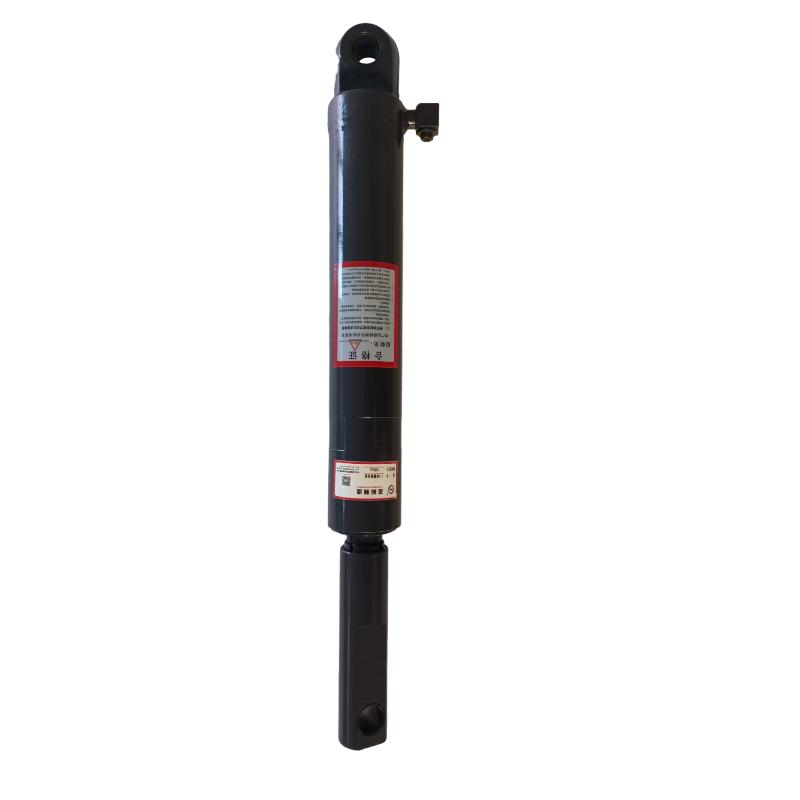
Process flow (what’s behind the paint)
Materials: 20# tube (GB/T 699) honed to low Ra; 45# rod induction-treated then hard-chrome plated (ASTM B456) to fight wear.
Methods: precision honing, CNC turning of glands, seal-groove control, press-fit oil-free bearings, controlled bake-curing.
Testing: ISO 10100 acceptance—hydrostatic pressure, external leakage, stroke verification; safety per ISO 4413 shop rules.
Service life: field reports indicate >200,000 cycles in moderate duty. I guess heavier loads or dusty abrasives can shorten that—maintenance is king.
Where it gets used
Flip fixtures, light dump trolleys, pallet rotators, agricultural bin tipping, and compact OEM machinery where space and clean porting matter. Surprisingly, some integrators drop the 1.5 Ton Flipping Oil Cylinder 70/82-40-217-720 into older jigs without changing hoses—G3/8 helps.
Real feedback
Installers like the smooth rod finish and forgiving seal stack; maintenance teams mention predictable wear patterns. A Hebei grain co-op ran a pair for 11 months straight on a 6-day schedule—only swapped wipers once.
Customization options
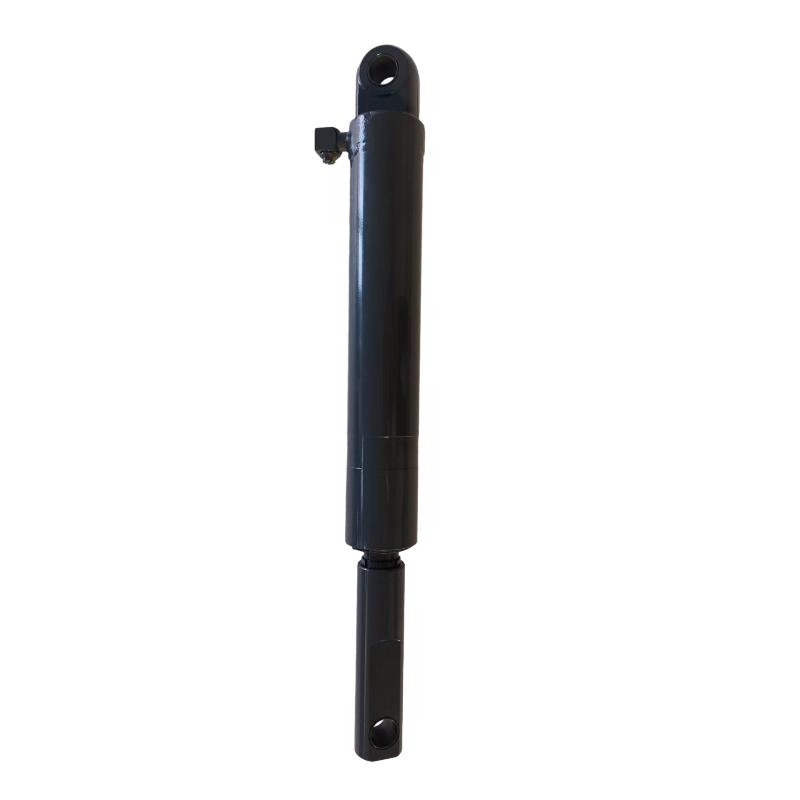
Rod ends (clevis/eye), custom strokes (±1 mm), alternative seals (NBR/FKM for temperature or oil type), paint colors, and ports (BSPP/Metric). Documentation can include pressure test sheets and material certs on request.
Vendor comparison (what I’m seeing)
| Vendor | Strengths | Considerations |
|---|---|---|
| Hebei maker (origin site) | Tight honing; solid chrome; flexible customization; quick lead times | Documentation sometimes basic unless requested |
| Generic Supplier A | Low unit cost; wide stock | Chrome thickness varies; seals may be commodity grade |
| Brand B (import) | Robust QA; rich datasheets; ISO-centric docs | Higher price; longer lead on custom strokes |
Mini case study
A packaging plant swapped two legacy cylinders for the 1.5 Ton Flipping Oil Cylinder 70/82-40-217-720 on a bin-flip station. Result: ≈12% faster cycle due to smoother extension and fewer micro-leaks. Downtime dropped because the porting matched existing hoses—no adapters, no thread drama.
Compliance and standards
Designers usually reference ISO 4413 for safety, ISO 10100 for acceptance tests, ISO 6022/6020 for interfaces, plus GB/T 699 for steel and ASTM B456 for chrome plating. If your auditor asks, keep the test sheet handy.
- ISO 4413:2019 Hydraulic fluid power — General rules and safety requirements
- ISO 10100 Hydraulic fluid power — Cylinders — Acceptance tests
- ISO 6020-1:2015 Mounting dimensions for hydraulic cylinders and ISO 6022
- ASTM B456-21 Electrodeposited nickel/chromium coatings
- GB/T 699-2015 High quality carbon structural steels (incl. 20#, 45#)
-
High Quality China Stage Hydraulic Cylinder for Professional Stage
NewsApr.16,2026
-
Guide to Selecting High Quality China Hydraulic Pneumatic Cylinder
NewsApr.09,2026
-
China Top Link Hydraulic Cylinder Solutions for Agricultural and Industrial Needs
NewsApr.07,2026
-
China Snap Ring Hydraulic Cylinder Solutions for Optimal Performance and Reliability
NewsApr.04,2026
-
China ISO Hydraulic Cylinder Solutions for Optimal Equipment Performance
NewsMar.31,2026
-
Comprehensive Guide to China Hydraulic Telescopic Cylinder Solutions
NewsMar.28,2026