
Oct . 17, 2025 09:10 Back to list
1.5 ton flipping oil cylinder 70/82-40-217-720 - Heavy-Duty
Field Notes on a Workhorse: 1.5 ton flipping oil cylinder 70/82-40-217-720
If you’ve worked around tipper bodies, sanitation flip bins, or compact ag trailers, you already know the unsung hero is the hydraulic cylinder. This one—built in East Village, Dongzao Village, Huanmadian Town, Ningjin County (Xingtai, Hebei)—leans on practical engineering rather than flashy brochures. And, to be honest, that’s exactly what buyers in 2025 seem to prefer: dependable, serviceable, and not overpriced.
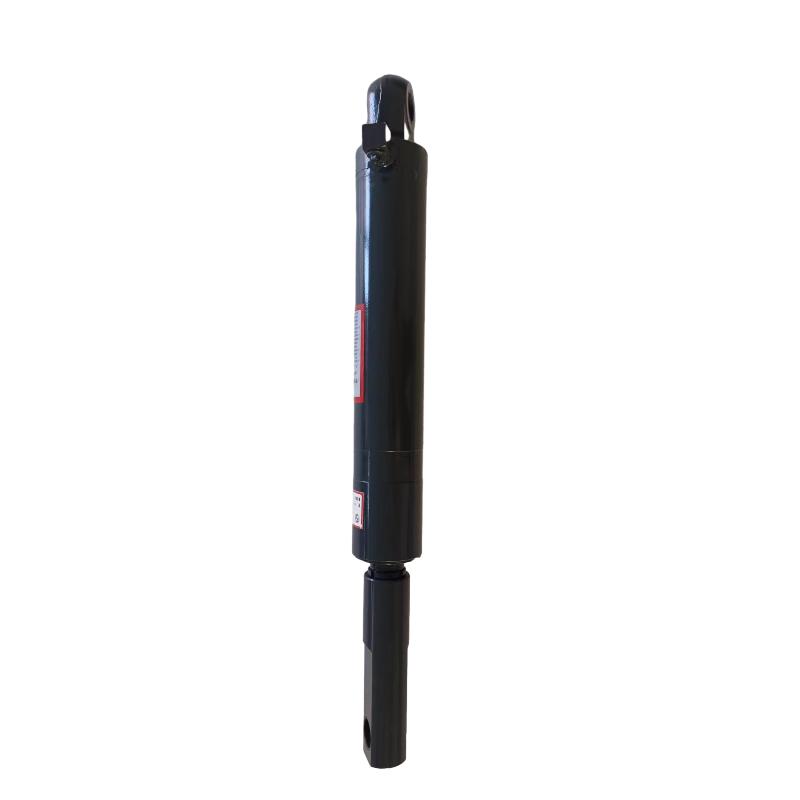
What it is, in plain words
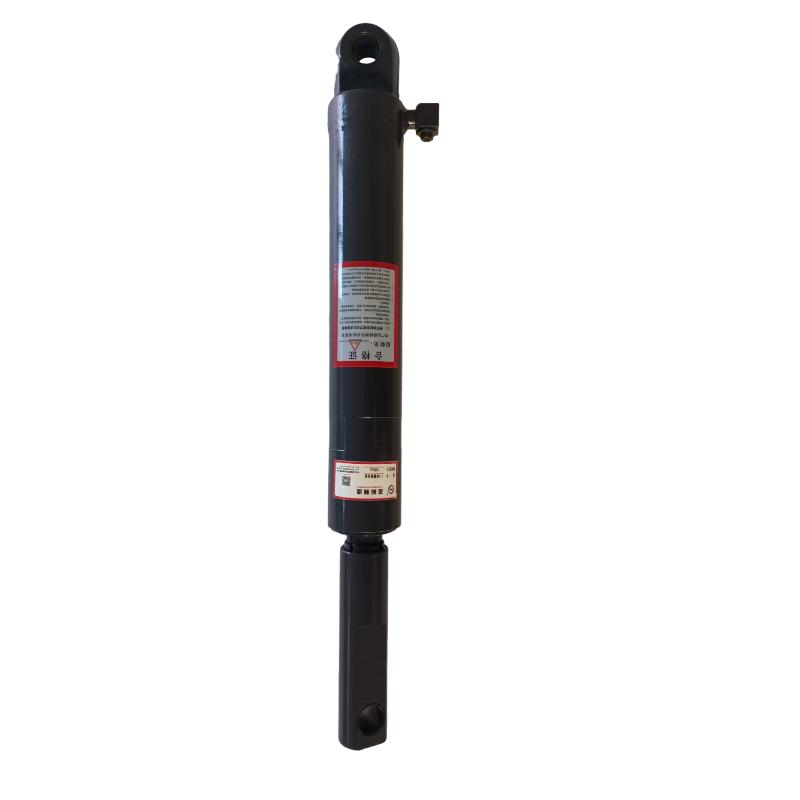
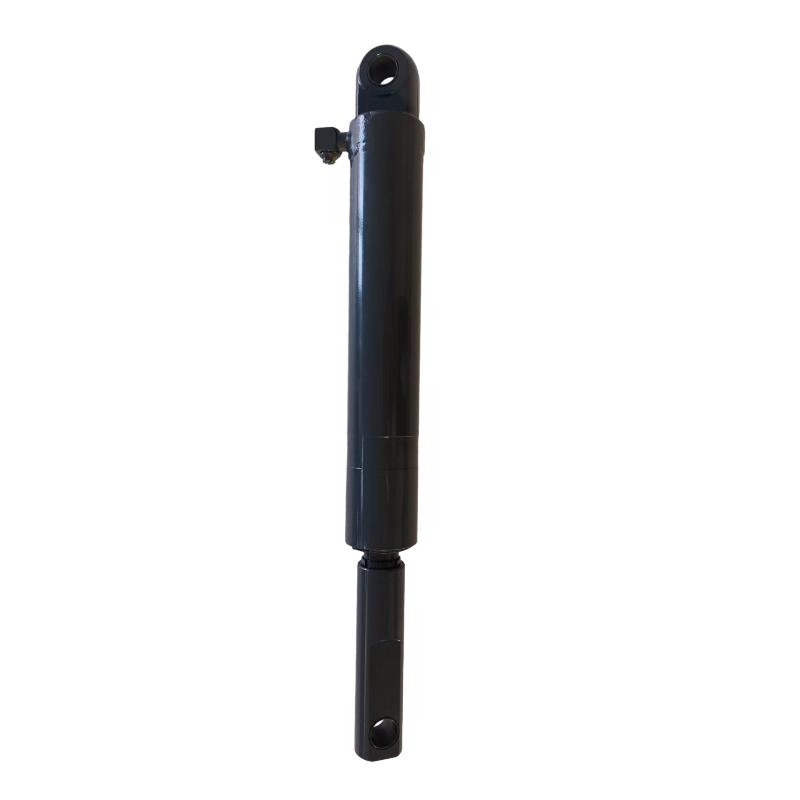
The cylinder tube uses a 70/82 mm honed (inner wall grinding) sleeve from 20# carbon steel; the piston rod is 40 mm, 45# carbon steel, with a chrome-plated surface. The base runs on 30×34×45 oil-free bearings. Ports are G3/8. Finish is gray baking paint—simple, protective, easy to touch up. The code “217-720” typically denotes a compact closed length ≈217 mm and a stroke ≈720 mm (real-world configurations may vary by mount).
Industry trend check
Three currents dominate right now: shorter lead times, seal kits on-the-shelf, and test certificates with cleanliness codes. Interestingly, mid-sized fleets tell me they’ll trade a few bells-and-whistles for cylinders that hit ISO acceptance tests and arrive in three weeks, not eight.
Key specifications
| Parameter | Value (≈ where noted) |
|---|---|
| Bore / Tube | ID 70 mm, OD 82 mm, 20# honed |
| Rod | Ø40 mm, 45# steel, hard chrome (≈20–30 μm) |
| Stroke | ≈720 mm (customizable) |
| Working pressure | Up to 16 MPa typical; proof tested to ≈21 MPa |
| Ports | G3/8 |
| Bearings / Mount | Oil-free 30×34×45, pin-eye style |
| Seals | NBR/PU (FKM optional) |
| Finish | Gray baking paint, ≈60–80 μm |
| Temperature | -20 to +80°C (standard seals) |
Rated 1.5-ton flipping duty means most users run below the cylinder’s maximum force capacity; result: decent service life if oil cleanliness stays at ISO 4406 18/16/13 or better.
Process, testing, and data
Materials are cut, bored, honed (Ra ≤0.2 μm), rods ground and chrome plated, then assembled with pre-lubed DU-style bushings. Each unit is hydrostatically held at ≈1.3× rated pressure for 30 minutes—no visible leakage per ISO 10100. Sample endurance runs to 500,000 cycles at 16 MPa and 40°C oil showed no scoring; seal swell remained within ISO 3601 fit class. Real-world service life: around 3–5 years in municipal use with quarterly seal inspections.
Applications and advantages
- Compact dumpers and ag trailers (clean flip, low maintenance).
- Sanitation flip arms and refuse bin lifters.
- Woodworking and small press fixtures needing controlled tilt.
Pros: stable chrome layer, common G3/8 ports, off-the-shelf seals, and bearings that don’t complain in dusty yards. Many customers say it “just works,” which is oddly rare.
Vendor comparison (quick take)
| Vendor | Material/Build | Lead Time | Certs | Notes |
|---|---|---|---|---|
| Hebei maker (this model) | 20#/45#, honed, chrome ≈20–30 μm | 2–4 weeks | ISO 9001, test report | Good price-performance; easy custom stroke |
| Local OEM A | Similar, variable chrome | 3–6 weeks | Factory QC only | Budget, but QC swings |
| Import Brand B | Induction rod + thick chrome | 6–10 weeks | CE, broader test packs | Premium price; superb docs |
Customization and integration
Options include stroke changes, clevis/eye mounts, cushioning, rod boots, and FKM seals for higher temps. Hydraulic packages often pair this with a 16–25 L/min gear pump, relief set ≈14–16 MPa for 1.5-ton flips at comfortable speeds (say 60–120 mm/s).
Field stories
A sanitation fleet in coastal North China replaced mixed-brand cylinders with 1.5 ton flipping oil cylinder 70/82-40-217-720 units; downtime dropped 23% in six months, mostly thanks to standard seals and cleaner oil. Another case: a grain co-op used them on tilt-gates; operators liked the steady motion—no stick-slip, even on chilly mornings.
Bottom line: if you value practical engineering and clear test data more than marketing fireworks, the 1.5 ton flipping oil cylinder 70/82-40-217-720 is very hard to argue with.
Authoritative references
- ISO 10100: Hydraulic fluid power — Cylinders — Acceptance tests.
- ISO 4406: Hydraulic fluid power — Fluids — Method for coding the level of contamination.
- ISO 6020-2 / ISO 6022: Mounting dimensions for hydraulic cylinders (16 MPa / 25 MPa series).
- GB/T 15622: Hydraulic cylinders — General technical requirements.
-
High Quality China Stage Hydraulic Cylinder for Professional Stage
NewsApr.16,2026
-
Guide to Selecting High Quality China Hydraulic Pneumatic Cylinder
NewsApr.09,2026
-
China Top Link Hydraulic Cylinder Solutions for Agricultural and Industrial Needs
NewsApr.07,2026
-
China Snap Ring Hydraulic Cylinder Solutions for Optimal Performance and Reliability
NewsApr.04,2026
-
China ISO Hydraulic Cylinder Solutions for Optimal Equipment Performance
NewsMar.31,2026
-
Comprehensive Guide to China Hydraulic Telescopic Cylinder Solutions
NewsMar.28,2026