
Oct . 14, 2025 17:20 Back to list
Power Up Performance with the Precision of a Dump Truck Hydraulic Cylinder
In modern construction, mining, and transportation industries, the dump truck hydraulic cylinder has become an indispensable power component. Designed to deliver high lifting capacity and stability, this robust device transforms the operational capabilities of dump trucks by ensuring smoother, more synchronized dumping actions. Whether you're searching for premium performance or cost-effective reliability, understanding the features and benefits of a dump truck hydraulic cylinder will help you make a smarter investment.
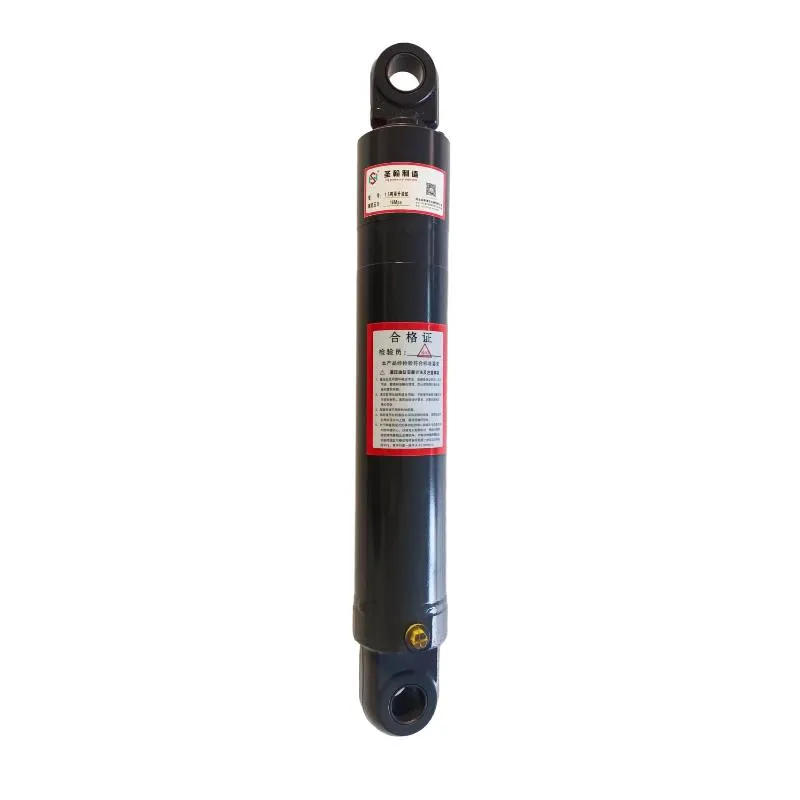
The Importance of High Synchronization in Dump Truck Hydraulic Cylinder Systems
Synchronization is critical in dump trucks, especially those carrying heavy loads on uneven terrain. A well-designed dump truck hydraulic cylinder provides not only the power needed to lift massive payloads but also ensures both sides of the dump body raise evenly. Poor synchronization can cause asymmetrical lifting, leading to structural stress, wear, and even tipping accidents.
The high synchronization of a hydraulic cylinder ensures that the dump bed is evenly elevated during every unloading operation. This reduces load imbalance, which can otherwise cause the truck frame to twist or the material to spill improperly. In industries like construction, where timing and precision are key, the efficiency and safety brought by synchronized dump truck hydraulic cylinder systems are invaluable.
Moreover, when paired with advanced hydraulic controls, these cylinders offer optimized response times, ensuring a seamless and safe dumping process in even the most demanding field applications.
Winter Handling and Safety Tips for Your Dump Truck Hydraulic Cylinder
Cold weather poses a serious challenge for all hydraulic systems. In winter, the fluid inside a dump truck hydraulic cylinder thickens, causing reduced responsiveness, increased pressure on seals, and potential system lag. That’s why specific precautions should be taken to protect the unit during low-temperature operation.
First, ensure the hydraulic oil used is rated for cold climates, as it maintains optimal viscosity and flow even in sub-zero temperatures. Before operating, warm up the truck to allow the hydraulic cylinder components to reach functional temperatures. It's also recommended to cycle the cylinder slowly during the first few movements to evenly distribute the fluid.
In freezing temperatures, condensation and moisture can form inside the system. Therefore, regular inspection and drainage of accumulated water is critical. Proper maintenance helps extend the life of even a cheap hydraulic cylinder, proving that with the right care, affordability doesn’t mean compromised performance.
Proper Storage for Extended Durability of the Dump Truck Hydraulic Cylinder
Whether you're pausing operations for the season or storing spare units, proper storage is vital to preserve the integrity of any dump truck hydraulic cylinder. Exposure to environmental elements such as moisture, dust, and UV rays can lead to rust, seal degradation, and contamination of internal components.
Begin by cleaning the exterior of the hydraulic cylinder thoroughly. Apply a thin layer of rust-inhibiting oil to the exposed metal surfaces. Retract the piston fully to minimize the amount of rod exposed, which reduces the surface area vulnerable to corrosion.
Next, seal the ports to prevent debris from entering. Store the unit horizontally in a dry, covered environment away from direct sunlight and temperature fluctuations. When stored correctly, even a hydraulic cylinder for sale in off-the-shelf condition can maintain optimal readiness and performance for future use.
For businesses managing large fleets or inventories, proper rotation of stored cylinders helps avoid long-term idle wear and ensures consistent reliability across operations.
Market Trends and Smart Purchasing of Cheap Hydraulic Cylinder Options
Today’s hydraulic market has evolved to accommodate a variety of users—from fleet operators to individual contractors—by offering both premium and cheap hydraulic cylinder alternatives. The key is knowing what features matter most to your application.
While high-end models may offer extended cycle life and advanced coatings, a cheap hydraulic cylinder can still deliver dependable performance if it meets key industry standards. Look for features such as hard chrome-plated rods, precision-honed tubes, and quality seals to ensure you're not sacrificing reliability for price.
Additionally, many suppliers now offer a hydraulic cylinder for sale with customizable lengths, mounting types, and bore diameters. This means that whether you're retrofitting an old dump truck or upgrading your fleet, there's a solution that balances performance and budget.
When evaluating suppliers, consider whether they provide technical support, warranty coverage, and detailed product specifications. A reputable seller of dump truck hydraulic cylinder products will always offer transparent quality assurance, regardless of price point.
Dump Truck Hydraulic Cylinder FAQs
What makes a dump truck hydraulic cylinder highly synchronized?
The synchronization is achieved through precise engineering of dual-stage or multi-stage cylinder designs, ensuring even extension and retraction across both sides of the dump bed. This prevents tilting and enhances safety.
How do I prevent freezing issues with a dump truck hydraulic cylinder?
Use cold-weather-rated hydraulic oil, allow adequate warm-up time, and avoid rapid actuation in sub-zero conditions. Regularly drain moisture and inspect seals for cracking or stiffness.
Can a cheap hydraulic cylinder still perform in heavy-duty applications?
Yes, as long as it meets industry standards and includes quality components like hardened rods and durable seals. Many affordable options provide excellent value with proper maintenance.
What’s the best way to store a hydraulic cylinder long-term?
Fully retract the rod, apply anti-rust oil, seal the ports, and store in a dry, temperature-controlled area. Avoid stacking heavy objects on the cylinder to prevent distortion.
Where can I find a hydraulic cylinder for sale that fits my dump truck?
Many online and industrial suppliers offer customizable dump truck hydraulic cylinder options. Look for companies that provide technical consultation and offer various bore and stroke configurations.
-
High Quality China Stage Hydraulic Cylinder for Professional Stage
NewsApr.16,2026
-
Guide to Selecting High Quality China Hydraulic Pneumatic Cylinder
NewsApr.09,2026
-
China Top Link Hydraulic Cylinder Solutions for Agricultural and Industrial Needs
NewsApr.07,2026
-
China Snap Ring Hydraulic Cylinder Solutions for Optimal Performance and Reliability
NewsApr.04,2026
-
China ISO Hydraulic Cylinder Solutions for Optimal Equipment Performance
NewsMar.31,2026
-
Comprehensive Guide to China Hydraulic Telescopic Cylinder Solutions
NewsMar.28,2026