
Feb . 26, 2026 02:05 Back to list
China Making Hydraulic Cylinder A Comprehensive Guide to Sourcing and Quality
China Making Hydraulic Cylinder: A Comprehensive Guide
The demand for reliable and efficient hydraulic cylinders is consistently high across various industries, and China making hydraulic cylinder has become a global hub for manufacturing these critical components. This article delves into the intricacies of hydraulic cylinder production in China, exploring the benefits of sourcing from Chinese manufacturers, the quality control measures in place, and the diverse applications these cylinders serve. We’ll also provide insight into choosing the right supplier to meet your specific needs. Understanding these factors can lead to significant cost savings and access to a wide range of customization options.
Why Choose China for Hydraulic Cylinder Manufacturing?
Several key advantages drive the global demand for hydraulic cylinders manufactured in China. Foremost among these is cost-effectiveness. Chinese manufacturers benefit from lower labor costs and established supply chains, allowing them to offer competitive pricing without compromising on quality. Furthermore, China boasts a vast manufacturing capacity capable of fulfilling large-scale orders efficiently. Increasingly, Chinese manufacturers are adopting advanced technologies and rigorous quality control standards, ensuring their products meet international certifications and performance requirements. The availability of customization options is another significant benefit; manufacturers can readily adapt designs and specifications to meet specific client needs.
Key Advantages: Cost-effectiveness, high manufacturing capacity, advanced technology adoption, rigorous quality control, and readily available customization options.
Understanding the Manufacturing Process of Hydraulic Cylinders
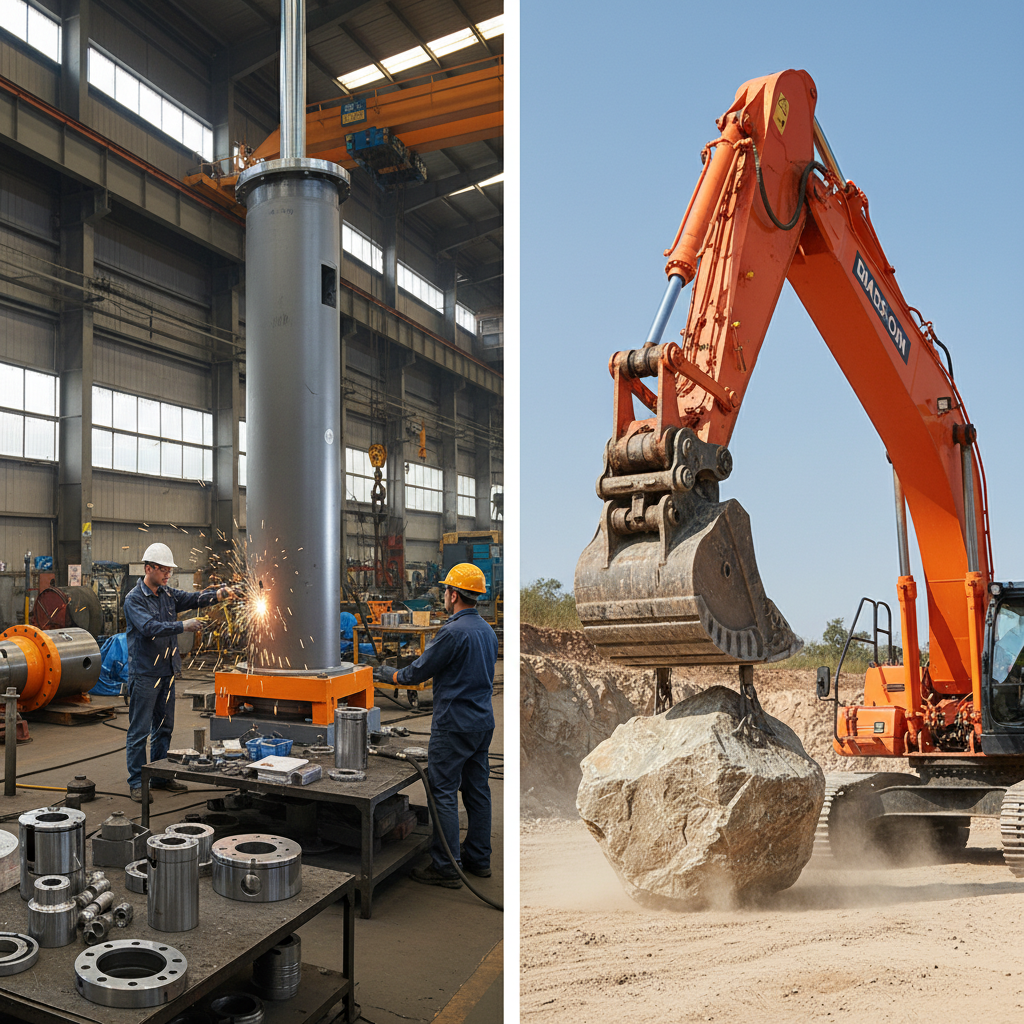
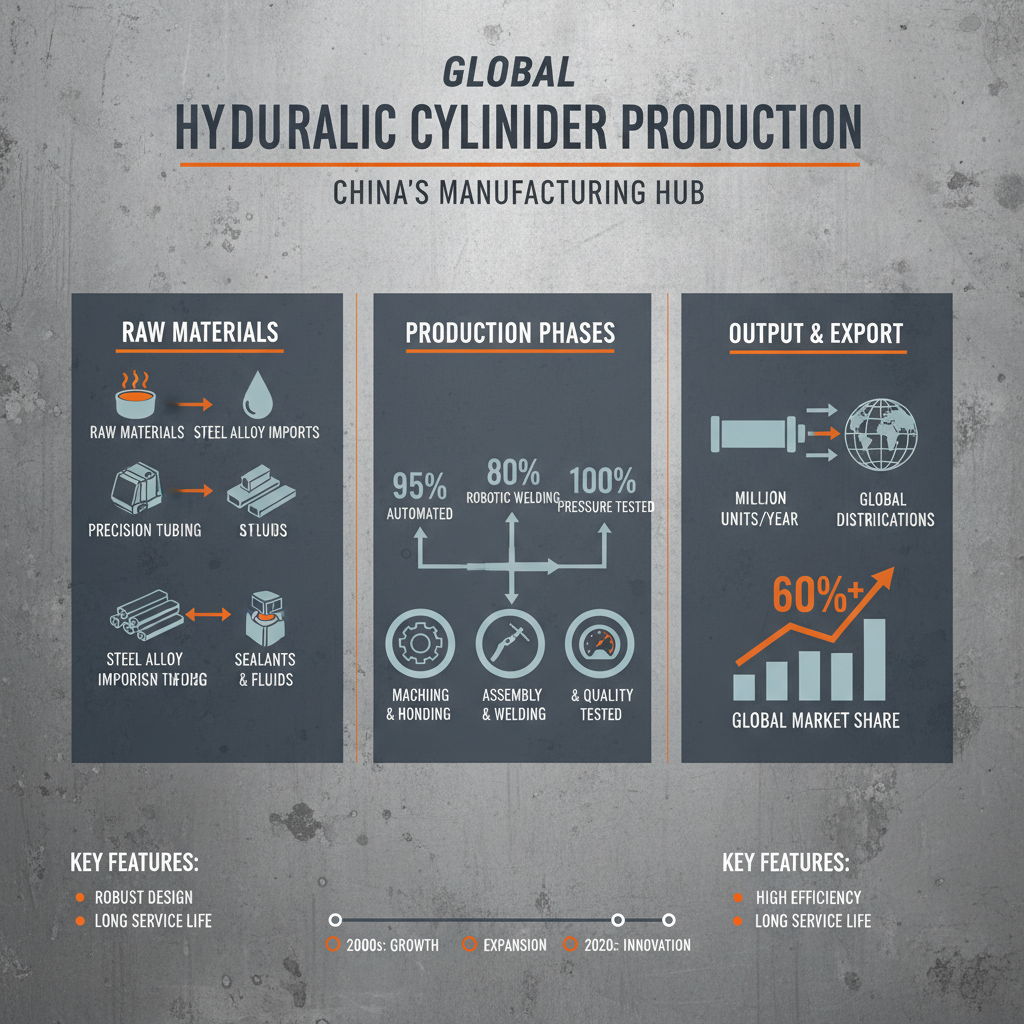
The production of a hydraulic cylinder involves several key stages, starting with material selection – typically high-strength steel alloys. These materials undergo precise cutting, machining, and honing to create the cylinder barrel, piston rod, and end caps. The internal surface of the barrel is meticulously honed to achieve a smooth finish, ensuring optimal sealing and minimizing friction. Seals are then installed, followed by assembly and rigorous testing. Chinese manufacturers are increasingly utilizing automated processes and robotic welding to enhance precision and efficiency throughout the production lifecycle. Quality control checkpoints are integrated at each stage to identify and rectify any defects. Hebei Shenghan employs these modern techniques ensuring high-quality cylinders.
Manufacturing Steps:
• Material Selection and Preparation
• Machining and Honing
• Seal Installation
• Assembly and Testing
China Making Hydraulic Cylinder: Types and Applications
Chinese manufacturers produce a wide array of hydraulic cylinders to cater to diverse industrial applications. These include single-acting cylinders, double-acting cylinders, telescopic cylinders, and custom-designed cylinders. Single-acting cylinders provide force in one direction, commonly used in lifting applications. Double-acting cylinders offer force in both directions, ideal for pushing and pulling. Telescopic cylinders are utilized where long strokes are required in a compact space. Applications span across construction equipment (excavators, loaders), agricultural machinery (tractors, harvesters), material handling (forklifts, cranes), industrial automation, and even aerospace. Shenghan hydraulic cylinders are employed across these industries.
Quality Control and Certifications for China-Made Hydraulic Cylinders
Maintaining quality is paramount when sourcing hydraulic cylinders from China. Reputable manufacturers implement stringent quality control procedures throughout the production process, including material testing, dimensional inspections, pressure testing, and cycle testing. Many manufacturers also hold internationally recognized certifications such as ISO 9001 (quality management system) and CE marking (European Conformity). These certifications demonstrate a commitment to maintaining high standards and adhering to safety regulations. Third-party inspections can also be arranged to provide an independent assessment of product quality. Working with a supplier that prioritizes quality control is essential for ensuring reliability and longevity.
Selecting the Right Hydraulic Cylinder Supplier in China
Choosing the right supplier is crucial for a successful sourcing experience. Look for manufacturers with a proven track record, a comprehensive product range, and a commitment to quality. Evaluate their manufacturing capabilities, quality control procedures, and certifications. Clear communication and responsiveness are also essential. Consider requesting samples for testing and evaluating their lead times and shipping options. Visiting the factory (if possible) can provide valuable insights into their operations. Hebei Shenghan offers these capabilities and more to ensure complete customer satisfaction.
Conclusion: Leveraging China’s Hydraulic Cylinder Expertise
Sourcing hydraulic cylinders from China offers significant advantages in terms of cost, capacity, and customization. By carefully selecting a reputable manufacturer that prioritizes quality control and clear communication, businesses can unlock these benefits and gain a competitive edge. The hydraulic cylinder experts at Hebei Shenghan are ready to assist you in finding the perfect solution for your needs.
Frequently Asked Questions (FAQs)
What are the typical lead times for ordering hydraulic cylinders from China?
Lead times can vary depending on the complexity of the order, the manufacturer's production schedule, and shipping methods. Generally, standard hydraulic cylinders are available within 2-4 weeks. Customized cylinders may require 4-8 weeks or longer. It's essential to confirm lead times with the supplier before placing an order. Factors like raw material availability and order volume can also impact delivery timelines. Reputable suppliers provide accurate lead time estimations and maintain clear communication throughout the production process.
What kind of customization options are available?
Chinese hydraulic cylinder manufacturers offer a wide range of customization options, including cylinder dimensions (bore, stroke, rod diameter), material selection, seal materials, port types, and mounting configurations. They can also accommodate specific pressure ratings, operating temperatures, and surface treatments. Many manufacturers have engineering teams capable of designing custom cylinders to meet unique application requirements. Providing detailed specifications and drawings is crucial for ensuring accurate customization.
What payment methods are commonly accepted by Chinese manufacturers?
The most common payment methods accepted by Chinese manufacturers are Telegraphic Transfer (T/T), Letter of Credit (L/C), and increasingly, platforms like Alibaba Trade Assurance. T/T typically involves a 30% deposit upfront and the remaining 70% upon shipment. L/C provides greater security for both parties but can be more complex and expensive. Alibaba Trade Assurance offers buyer protection and escrow services, ensuring payment is only released upon confirmation of goods received.
How can I ensure effective communication with a Chinese manufacturer?
Effective communication is vital for a successful partnership. Utilize clear and concise language, avoiding jargon or ambiguous terms. Be specific in your requests and provide detailed drawings or specifications. Consider using translation tools if language barriers exist. Establish regular communication channels, such as email or video conferencing. Confirm all agreements in writing to avoid misunderstandings. Building a strong relationship based on trust and transparency is key.
-
High Quality China Stage Hydraulic Cylinder for Professional Stage
NewsApr.16,2026
-
Guide to Selecting High Quality China Hydraulic Pneumatic Cylinder
NewsApr.09,2026
-
China Top Link Hydraulic Cylinder Solutions for Agricultural and Industrial Needs
NewsApr.07,2026
-
China Snap Ring Hydraulic Cylinder Solutions for Optimal Performance and Reliability
NewsApr.04,2026
-
China ISO Hydraulic Cylinder Solutions for Optimal Equipment Performance
NewsMar.31,2026
-
Comprehensive Guide to China Hydraulic Telescopic Cylinder Solutions
NewsMar.28,2026