
Jan . 27, 2026 21:15 Back to list
China Hydraulic Cylinder Chroming A Comprehensive Guide to Quality and Sourcing
China Hydraulic Cylinder Chroming: A Comprehensive Guide
Hydraulic cylinders are vital components in a wide range of industries, from construction and agriculture to manufacturing and materials handling. A crucial aspect of ensuring the longevity and performance of these cylinders is proper surface treatment, with chroming being a widely adopted method in China. This article provides a detailed overview of hydraulic cylinder chroming in China, covering its benefits, processes, quality control, and what to consider when sourcing from Chinese manufacturers. Understanding these factors is key to selecting durable, high-performance cylinders for your applications.
The Benefits of Chroming Hydraulic Cylinders
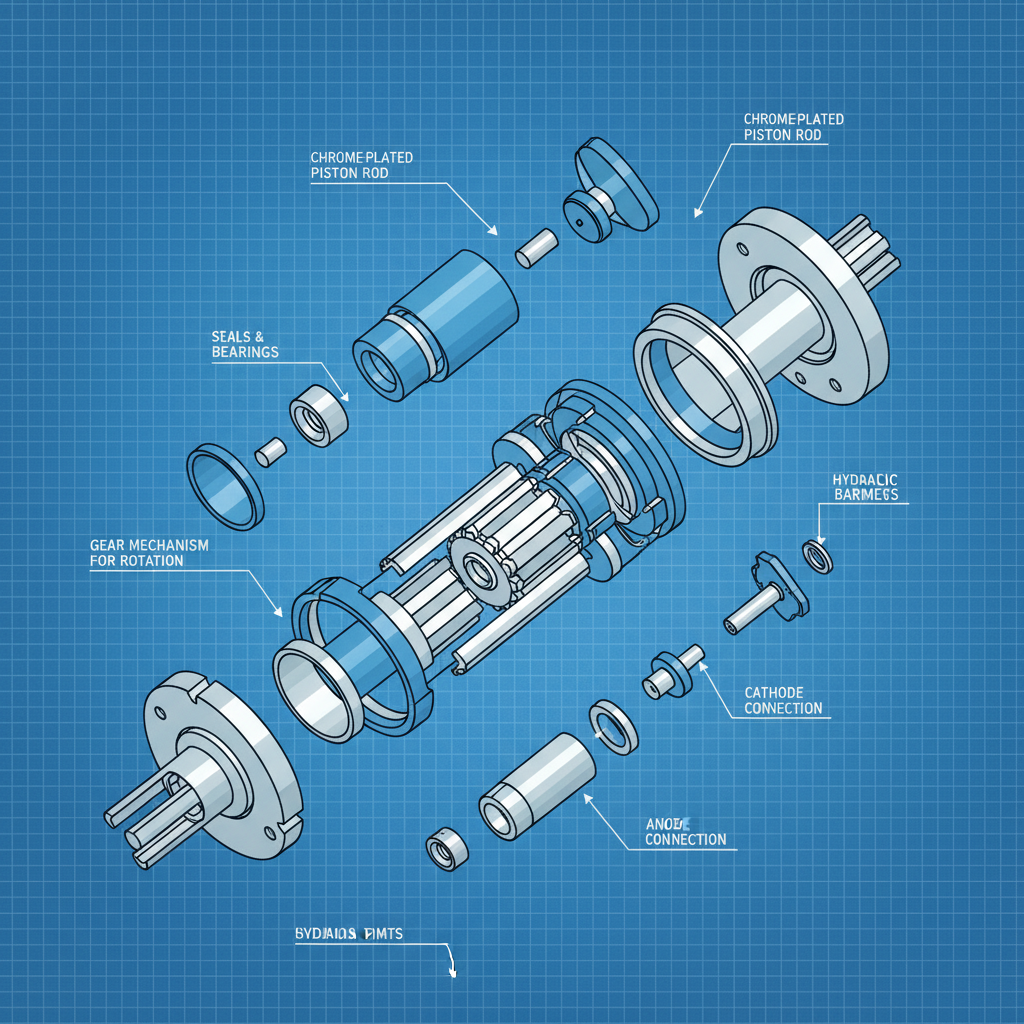
Chroming, specifically hard chrome plating, significantly enhances the properties of hydraulic cylinder rods and tubes. Corrosion resistance is dramatically improved, protecting against harsh operating environments and extending cylinder life. Increased wear resistance reduces friction and prevents premature component failure. Moreover, chroming provides a low coefficient of friction, leading to smoother cylinder operation and reduced energy consumption. The hard chrome layer also offers excellent surface hardness, enabling the cylinder to withstand heavy loads and abrasive conditions. These benefits contribute to increased productivity, reduced maintenance costs, and improved overall system reliability.
Key Advantages: Enhanced corrosion resistance, increased wear resistance, low friction coefficient, and superior surface hardness.
Chroming Processes Used in China
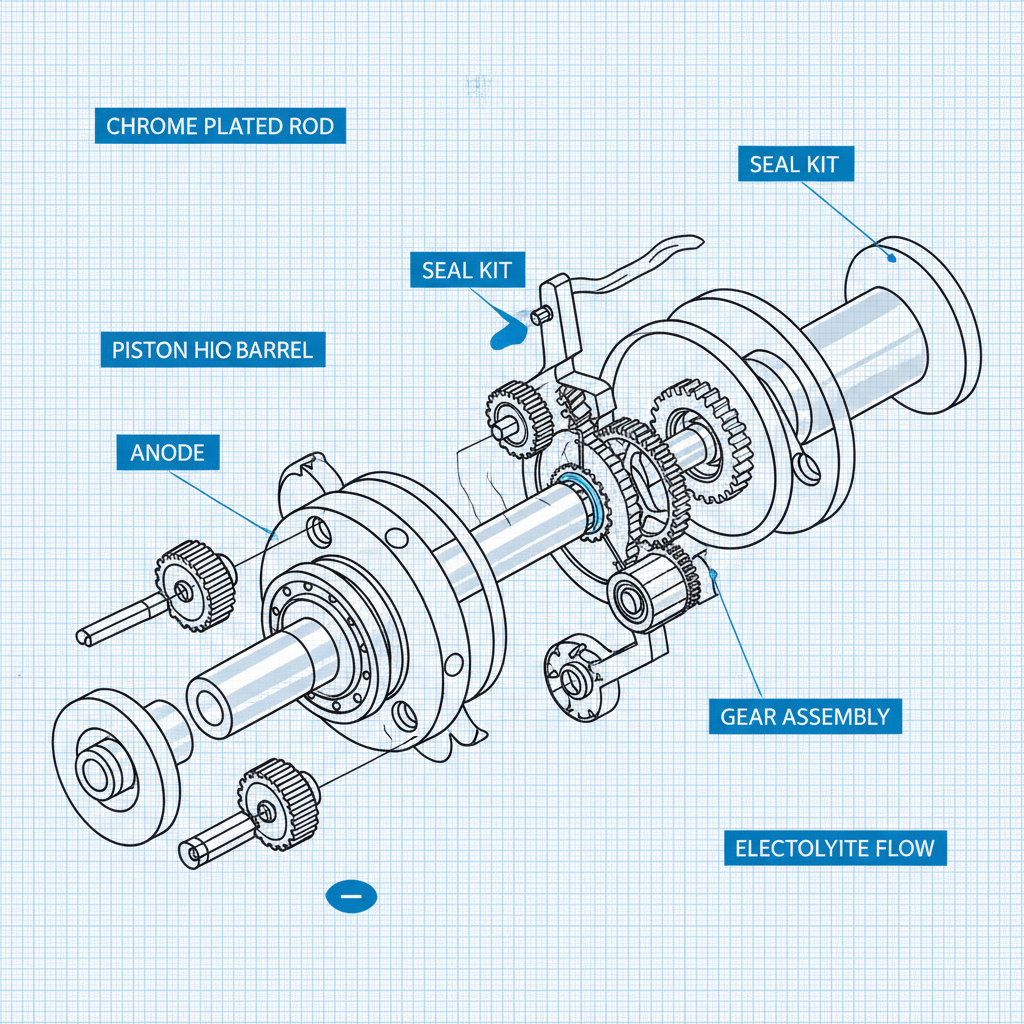
Several chroming processes are employed in China, each with its own characteristics and suitability. Hard chrome plating is the most common, providing a thick, durable layer for demanding applications. Decorative chrome plating is used for aesthetic purposes and offers less wear resistance. Micro-cracking chrome plating is used for enhanced lubrication in specialized applications. Salt spray testing is routinely used to test the corrosion resistance of chrome plated components. The typical process involves surface preparation (cleaning, degreasing, etching), applying a chrome layer through electrodeposition, and post-treatment (polishing, sealing). Many manufacturers, like Hebei Shenghan, are investing in automated plating lines to ensure consistent quality and high production capacity.
Common Chroming Methods:
• Hard Chrome Plating
• Decorative Chrome Plating
• Micro-cracking Chrome Plating
China Hydraulic Cylinder Chroming vs. Other Regions
China has emerged as a leading supplier of chromed hydraulic cylinders due to its competitive pricing, large production capacity, and increasingly stringent quality control standards. Compared to manufacturers in Europe or North America, Chinese companies often offer lower costs. However, quality can vary significantly. Established manufacturers in China are now investing heavily in advanced technologies and quality management systems to meet international standards. This has narrowed the gap in quality, making China a viable and attractive sourcing option. Careful vetting of suppliers is essential to ensure consistent quality and reliability.
Quality Control & Standards for China Hydraulic Cylinder Chroming
Reputable Chinese manufacturers prioritize quality control throughout the chroming process. This includes rigorous inspection of raw materials, precise control of plating parameters (current density, temperature, solution composition), and thorough testing of finished products. Common tests include salt spray testing (ASTM B117), coating thickness measurement, hardness testing (Vickers, Rockwell), and porosity testing. ISO 9001 certification is a good indicator of a manufacturer’s commitment to quality management systems. Hebei Shenghan consistently adheres to these standards, providing customers with reliable and durable cylinders.
Selecting the Right Chinese Supplier for Chromed Hydraulic Cylinders
Choosing the right supplier is critical. Look for manufacturers with a proven track record, strong quality control systems, and experience in your specific application. Request samples for testing before placing a large order. Verify certifications (ISO 9001, etc.). Conduct a factory audit to assess their production capabilities and quality control processes. Communicate your requirements clearly and ensure the supplier understands your specifications. Building a long-term relationship with a reliable supplier is key to consistent quality and competitive pricing.
Conclusion: Sourcing High-Quality Chromed Cylinders from China
Sourcing hydraulic cylinders with chrome plating from China can be a cost-effective and efficient solution, provided you choose a reputable supplier. By understanding the chroming processes, quality control standards, and key considerations for supplier selection, you can ensure you receive durable, high-performance cylinders that meet your specific needs.
Frequently Asked Questions (FAQs)
What is the typical thickness of a chrome plated layer on a hydraulic cylinder rod?
The typical thickness of a hard chrome plated layer on a hydraulic cylinder rod ranges from 20 to 50 micrometers (0.8 to 2 mils), depending on the application and wear requirements. For applications requiring high wear resistance, a thicker layer of 30-50 micrometers is commonly used. The thickness is carefully controlled during the electroplating process to ensure optimal performance and longevity. The ideal thickness is determined based on the cylinder's operating conditions and the expected service life.
What are the limitations of chrome plating?
While chrome plating offers numerous benefits, it has some limitations. It can be susceptible to cracking under high stress or impact. The plating process also involves the use of hexavalent chromium, a hazardous substance, requiring strict environmental controls. Additionally, chrome plating can be relatively expensive compared to other surface treatments. Finally, the corrosion resistance is reduced if the chrome layer is damaged or scratched.
How can I ensure the chrome plating is environmentally compliant?
Ensure the manufacturer adheres to strict environmental regulations regarding the handling and disposal of hexavalent chromium. Look for certifications like ISO 14001, which demonstrates a commitment to environmental management systems. Ask about their wastewater treatment processes and verify they comply with local and international environmental standards. Responsible manufacturers will prioritize environmentally friendly practices.
What is the role of surface preparation in chroming?
Surface preparation is arguably the most crucial step in the chroming process. A clean, smooth, and properly etched surface is essential for achieving a strong and durable chrome plating. Any contaminants, rust, or imperfections on the base metal will negatively impact the adhesion and performance of the chrome layer. Thorough cleaning, degreasing, and etching are vital to ensure optimal results.
-
High Quality China Stage Hydraulic Cylinder for Professional Stage
NewsApr.16,2026
-
Guide to Selecting High Quality China Hydraulic Pneumatic Cylinder
NewsApr.09,2026
-
China Top Link Hydraulic Cylinder Solutions for Agricultural and Industrial Needs
NewsApr.07,2026
-
China Snap Ring Hydraulic Cylinder Solutions for Optimal Performance and Reliability
NewsApr.04,2026
-
China ISO Hydraulic Cylinder Solutions for Optimal Equipment Performance
NewsMar.31,2026
-
Comprehensive Guide to China Hydraulic Telescopic Cylinder Solutions
NewsMar.28,2026